

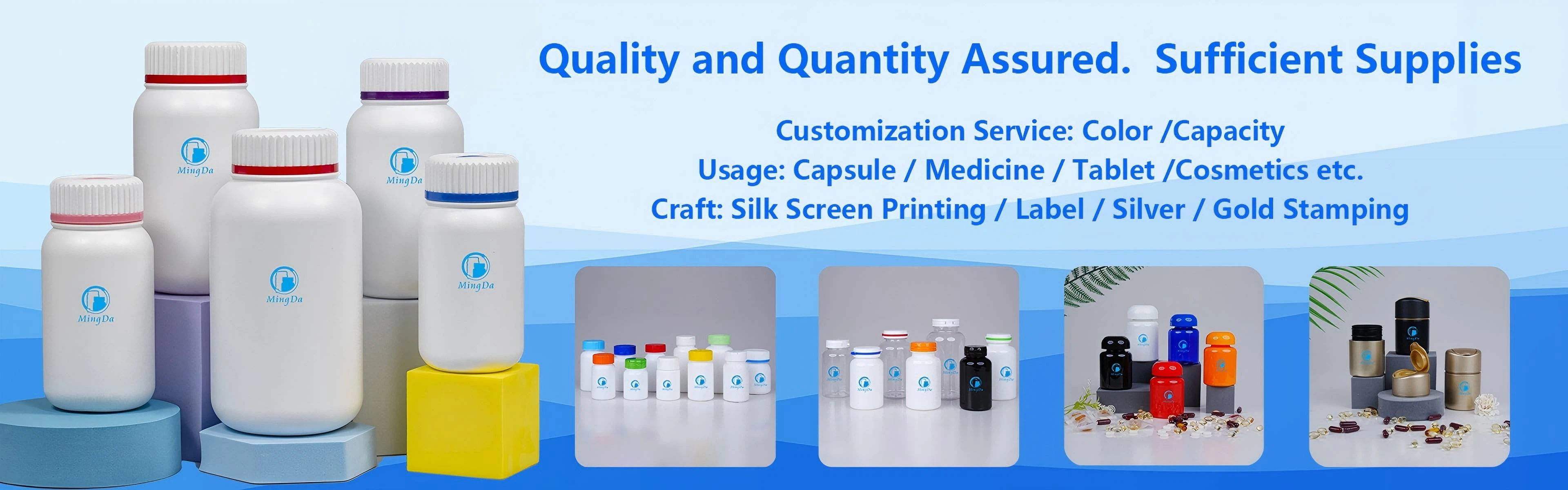




In our daily lives, we often come across various plastic bottles, especially those used for packaging food, medicines, and cosmetics. Have you ever noticed how smooth and shiny the surfaces of these bottles are? They feel quite pleasant to the touch. But why is the surface of plastic bottles so smooth? Behind this seemingly simple feature lies a combination of technology and manufacturing processes.
1. The Properties of Plastic Materials
The smooth surface of plastic bottles is closely related to the type of plastic material used. Common materials for plastic bottles, like PET (Polyethylene Terephthalate) and HDPE (High-Density Polyethylene), are known for their good flow properties. When melted, these plastics flow easily and can fill the mold more evenly, reducing surface roughness and creating a smooth finish.
2. Injection Molding Process
Plastic bottles are typically produced using an injection molding process. In this process, plastic is heated until it melts, then injected into a mold. During cooling, the molten plastic fills every detail of the mold evenly, ensuring that the bottle's surface remains smooth. The surface treatment of the mold also plays a crucial role in the smoothness of the final product. Manufacturers often use high-gloss molds to ensure that the bottle's surface is as smooth and shiny as possible.
3. Surface Treatment Techniques
In addition to the injection molding process, many plastic bottles undergo additional surface treatments during production. Common treatments include spraying, frosting, and hot stamping. These techniques not only improve the bottle's appearance but also enhance the smoothness and tactile feel of the surface. For example, spray coating can apply a thin, even layer of paint to the bottle's surface, improving its smoothness.
4. Control of the Cooling Process
The cooling speed and method used during the production of plastic bottles also affect the smoothness of the surface. If cooling is too rapid, it may lead to uneven cooling marks on the bottle's surface, compromising its smooth appearance. Manufacturers must precisely control the cooling rate to achieve the desired smoothness on the bottle's surface.
5. Quality Control and Fine Processing
To ensure that every plastic bottle meets consistent high standards of smoothness, manufacturers implement strict quality control. This includes checking for surface smoothness, transparency, and absence of defects. In addition, fine processing techniques ensure that each bottle meets the high expectations of consumers.
Conclusion
The smoothness of plastic bottles is the result of a combination of factors, including the properties of the plastic material, precision manufacturing processes, surface treatments, and rigorous quality control. Every step in the production process plays a vital role in ensuring that the final product is smooth, shiny, and pleasant to the touch. In the modern packaging industry, this smoothness not only enhances the appearance and feel of the product but also improves the overall consumer experience.