Plastic Bottles

Mingda: Your Professional Plastic Bottles Manufacturer!

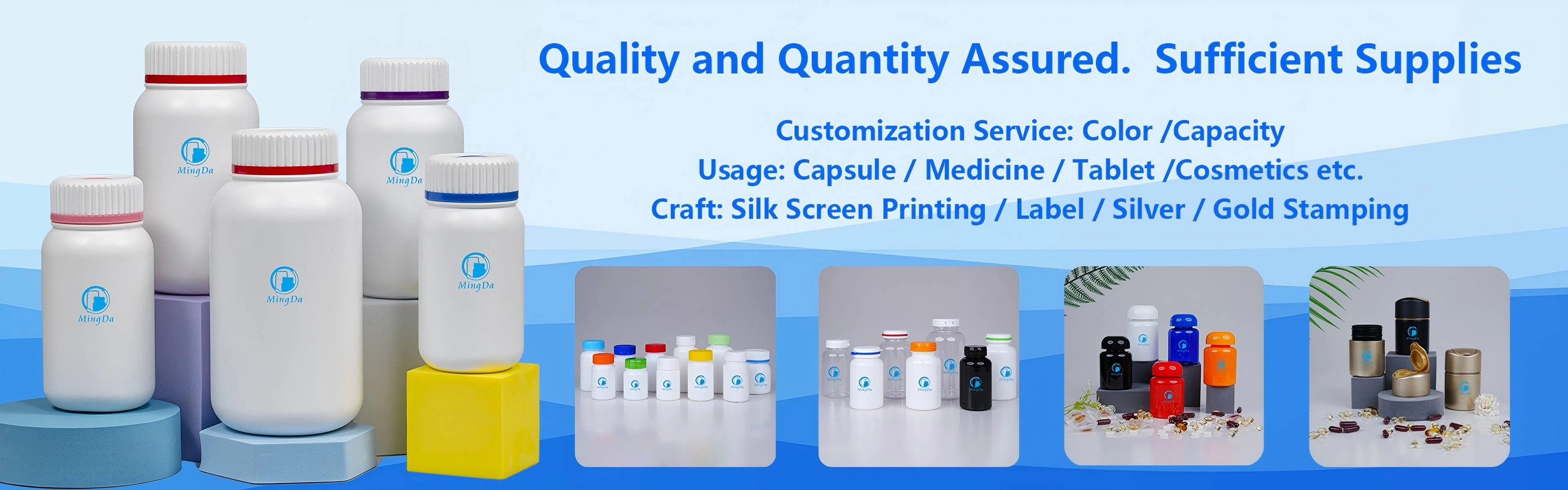
Hubei Mingda Plastics is a manufacturer specializing in food-grade and medical-grade plastic packaging, integrating design, R&D, and production. We supply HDPE bottles, PET bottles, PP caps, and sealing liners for global food, pharmaceutical, and supplement brands.

Excellent R&D Team

We have a 30-member quality and R&D team and a 90-member technical team. Every stage—from product design to mold making, packaging, and logistics—is strictly monitored and controlled.

Customizable

With 19 years of manufacturing experience, all our bottles, caps, and liners support full OEM/ODM customization, including shape design, color matching, logo printing, and sealing options.

Quality Assurance

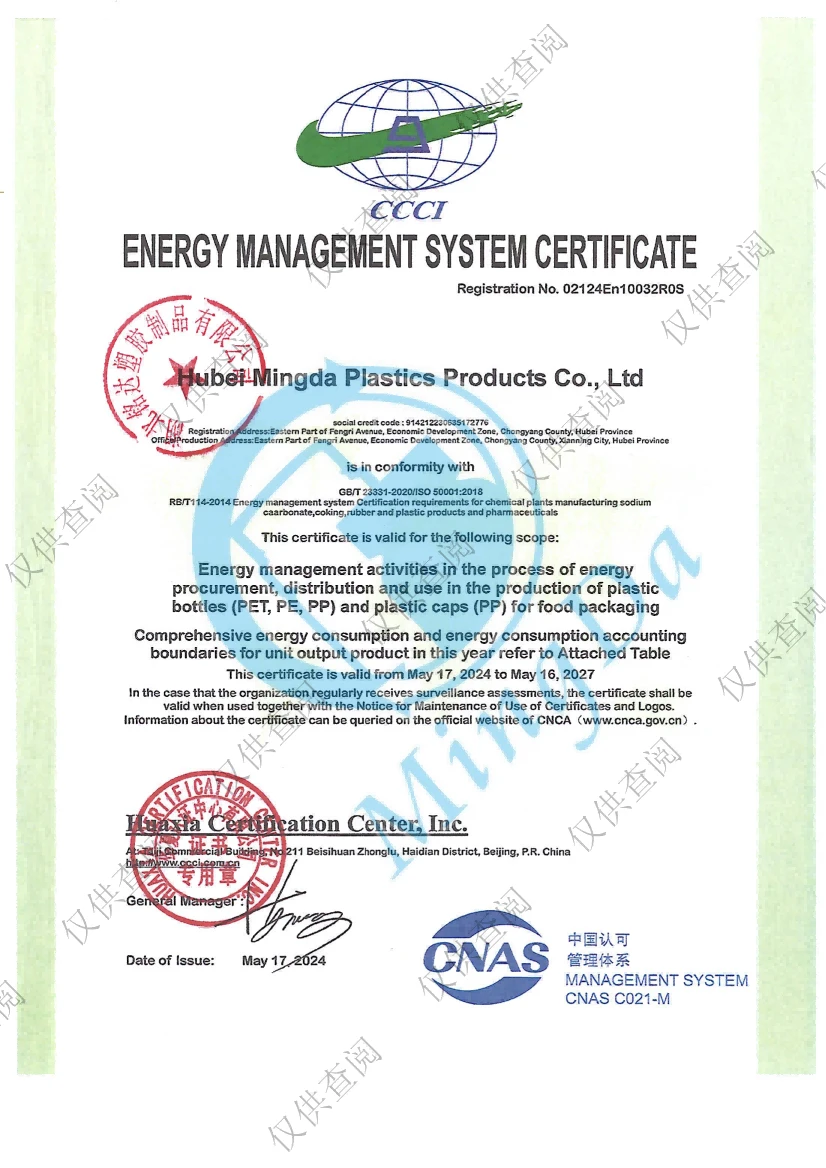
Our factory is certified with ISO9001, ISO22000, ISO14001, ISO45001, and HACCP to ensure consistent, safe, and compliant packaging products.


Advanced Instruments

We operate 203 sets of production equipment and a Class-10,000 clean testing room equipped with professional instruments, including torque testers, vacuum seal testers, IR spectroscopy analyzers, induction sealers, stability chambers, and more.


First 1234567 Last 1/28


ODM / OEM Service

We provide full customization for bottles, caps, and packaging solutions.

  • Custom bottle shapes, capacities, and colors.
  • Multiple finishing options: silk printing, coating, electroplating, UV finishing, and hot stamping.
  • Various cap options: PP flip caps, LDPE tear-off caps, metal caps, double-layer caps.
  • Logo customization with flexible MOQ.
  • One-on-one engineering support for sampling.


productcate-1500-985


Production Capability|Production Strength
productcate-1200-800
Extensive manufacturing capacity


202 production lines (PE 83 / PET 31 / PP 88) with a daily output of over 2,000,000 bottles, ensuring stable and continuous supply.
productcate-4240-2832
Advanced facilities & clean environment


Equipped with a 100,000-grade cleanroom, automated blow-molding and injection systems to maintain consistent quality and efficiency.
productcate-1300-866
Full in-house testing & quality control


A complete laboratory supports material inspection, sealing tests, drop tests, torque tests, and other quality checks for global compliance.
productcate-1200-800
Reliable long-term supply for global brands


Strong capacity + strict QC enables long-term, large-volume cooperation with international supplement, pharmaceutical, and food brands.


How to Collaborate With Us


productcate-1200-800

We make cooperation simple and efficient.


  • Send Inquiry → Share bottle size, color, usage
  • Get Free Samples → Existing sample or customized sample
  • Receive Quotation → Based on quantity & requirements
  • Confirm Order → Sign PI and schedule production
  • Mass Production → Full quality monitoring
  • Shipping → Sea, air, or express
  • After-Sales → Quick response team


Process of Plastic Bottles
Plastic Bottle With Long Neck

Extrusion Blow Molding

Plastic pellets are first extruded, then melted and shaped into pipes. The molten plastic is cut to specified lengths, and a blow molding machine is used to shape the tubes into bottles. The machine uses compressed air to inflate bottles to the desired shape and size.

Plastic Bottle Shaped Like A Capsule

Injection Stretch Blow Molding

In this process, molten plastic is injected into a mold in the shape of a preform. The preform is then reheated and stretched to the desired shape and size. This method produces bottles that are stronger and more uniform than the extrusion blow molding process.

Empty Plastic Supplement PET Packaging Bottle

Decorate

Once the bottle is formed, it can be decorated with labels, sleeves, or printed graphics. Labels can be applied directly to the bottle or to a sleeve attached to the bottle. Printing is typically done using screen or digital printing processes, which can be used to create intricate designs.

Various Styles Of Gourd Bottles

Quality Control

Throughout the manufacturing process, quality control checks are performed to ensure the bottles meet specific standards for strength, durability and appearance. These inspections include measuring thickness, evaluating color and conducting pressure tests.


Certificate


productcate-413-584

ISO9001

productcate-413-584

ISO22000

productcate-826-1168

ISO50001

productcate-413-584

ISO45001

productcate-413-584

ISO14001


Frequently Asked Questions
 

Q: What are plastic bottles made of?

A: Plastic bottles are typically made of polyethylene terephthalate (PET) plastic, which is a type of thermoplastic polymer. PET is a strong, lightweight, and durable material that is resistant to both heat and chemicals

Q: What are the different types of plastic used to make bottles?

A: There are many types of plastic materials used to make bottles, including: polyethylene terephthalate (PET), high-density polyethylene (HDPE), low-density polyethylene (LDPE), polyvinyl chloride (PVC), Polycarbonate (PC), polystyrene (PS), polypropylene (PP) and acrylonitrile-butadiene-styrene (ABS).

Q: How are plastic bottles made?

A: The first step is to create a plastic preform, which is a small plastic tube that will eventually be blown into a bottle. These preforms are made through injection molding, where heated plastic is injected into a mold and then cooled. The preform is then sent to a blow molding machine, where it is heated until soft. A hollow metal rod called a mandrel is inserted into the preform and air is blown into it, causing the plastic to stretch and expand into the shape of the bottle mold. Once the plastic solidifies and cools, the mandrel is removed and the newly formed bottle is ejected from the machine. Finally, the bottles are trimmed, inspected for defects, and labeled with appropriate information before being packaged and shipped to stores.

Q: What are the advantages of plastic bottles over glass bottles?

A: Plastic bottles are shatterproof and can withstand accidental drops or impacts, making them a safer choice in certain situations. Plastics are much lighter than glass, which makes them ideal for transporting and storing drinks.

Q: What are the disadvantages of plastic bottles?

A: Plastic bottles are a major cause of pollution and environmental degradation. They take hundreds of years to decompose and can harm wildlife and ecosystems. The higher cost of producing plastic bottles makes them more expensive than other types of packaging materials.

Q: How much plastic does it take to make a plastic bottle?

A: The amount of plastic required to make a plastic bottle depends on the size and shape of the bottle. However, on average, a 500ml plastic water bottle can take about 25 grams of plastic.

Q: What is the average lifespan of a plastic bottle?

A: A plastic bottle can take up to 450 years to decompose. However, its lifespan varies depending on the type of plastic it's made of and the conditions it's exposed to.

Q: How to recycle plastic bottles?

A: 1. Check if a plastic bottle is recyclable: Look for the recycling symbol on the bottom of the bottle. Recycling numbers 1 and 2 are the most commonly accepted plastics for recycling.
2. Empty and rinse the bottle: Remove any remaining liquid or residue, then rinse with water.
3. Remove bottle caps: Bottle caps are often made from different types of plastic and should be recycled separately.
4. Flatten the bottle: This will take up less space and make it easier to transport.
5. Place bottles in recycling bins: Place them in a separate recycling bin or with your kerbside recycling bin.
6. Take your bottles to a recycling center: If curbside recycling is not possible, take your bottles to a recycling center.

Q: Can plastic bottles be reused?

A: Yes, plastic bottles can be reused. However, it is important to note that some types of plastic bottles may not be safe for reuse due to the release of harmful chemicals. It is best to check the recycling symbol on the bottle to determine if it is safe for reuse. Additionally, thoroughly clean and sanitize the bottle before each use to prevent contamination.

Q: What are the health risks of drinking from plastic bottles?

A: Over time, plastic bottles break down, causing the release of microplastics that can be ingested and cause damage to the digestive system. When exposed to heat or sunlight, plastic bottles can leach chemicals into their contents, posing health risks to those who consume them.

Q: What is BPA? Why Are BPA Concerns About Plastic Bottles?

A: BPA (bisphenol A) is a chemical used in the production of certain plastics and resins, primarily in polycarbonate plastics and epoxy resins. BPA can leach out of plastic containers and into our food and drinks, especially when they are heated or microwaved. Concerns have been raised about BPA because it can mimic the hormone estrogen and disrupt the endocrine system, potentially leading to a range of health issues such as infertility, obesity, and cancer. BPA is also difficult to break down in the environment and can persist in the soil and water for a long time. As a result, many consumers are opting to use BPA-free plastics or switch to alternative materials such as glass or stainless steel bottles to reduce their exposure to this chemical.

Q: Are there any regulations for the production of plastic bottles?

A: Yes, most countries have regulations for the production of plastic bottles. These regulations typically cover aspects such as materials used, manufacturing processes, and labeling and packaging requirements.

Q: What impact do plastic bottles have on the environment?

A: The production and disposal of plastic bottles also have an impact on the environment. The manufacturing process requires large amounts of energy and resources, including petroleum, which is a non-renewable resource. The disposal of plastic bottles, whether through recycling or landfill, also creates large amounts of waste that harms the environment.

Q: Can plastic bottles be composted?

A: No, plastic bottles cannot be composted as they are not biodegradable and do not break down into organic matter. They can, however, be recycled.

Q: How much energy does it take to produce plastic bottles?

A: The energy required to produce a plastic bottle varies depending on the type of plastic used, the manufacturing process, and the size and shape of the bottle. According to a study by the European Commission, approximately 0.28 kWh of energy is required to produce a 500 ml PET plastic bottle, while approximately 1.2 kWh is required to produce a 1 liter HDPE plastic bottle. However, these numbers are only estimates and can vary significantly depending on the specific production process and location.

Q: How do plastic bottles affect marine life?

A: Plastic bottles have a serious impact on marine life. The bottles gradually break down into smaller pieces, which are often ingested and cause physical harm to marine species.

Q: What are the alternatives to plastic bottles?

A: 1. Glass bottles: Reusable, recyclable and durable, glass bottles are a great alternative to plastic bottles.
2. Stainless Steel Bottle: Lightweight, durable and reusable. Stainless steel bottles come in a variety of sizes and are a great choice for outdoor activities.
3. Aluminum Bottles: Lightweight, durable and easy to recycle. They are a great alternative to plastic bottles.
4. Biodegradable bottles: Made from plant materials such as corn, sugar cane or bamboo, they can decompose naturally and will not harm the environment. These bottles can be a sustainable option, but are often more expensive.
5. Paper bottles: This is an emerging alternative to plastic bottles. Paper bottles are made from renewable resources and are biodegradable, but they are not as durable as plastic or metal containers.
6. Refillable water dispenser: This option is suitable for offices and homes that want to minimize waste. Use refillable water dispensers and dispensers instead of individual bottles.

Q: How can individuals reduce the use of plastic bottles?

A: By using refillable water bottles, you can significantly reduce the number of plastic bottles you use. You can refill your water at home, work or at a public water fountain.

Q: Are plastic bottles poisonous?

A: Plastic bottles are made of materials that are generally safe for storing water and beverages. However, if they are exposed to high temperatures or reused multiple times, they may release harmful chemicals such as toxic bisphenol A (BPA). It is recommended to avoid exposing plastic bottles to extreme temperatures and to throw them away after single use. It is also recommended to consider alternative reusable bottles made from materials such as glass or stainless steel.


Hubei Mingda Plastics Products Co., Ltd. is one of the most professional plastic bottles manufacturers and suppliers in China, specialized in providing high quality products with low price. If you're going to wholesale cheap plastic bottles in stock, welcome to get free sample from our factory. Also, customized service is available.

120cc pill bottle, water bottle

home

phone

Email

Inquiry

Bag