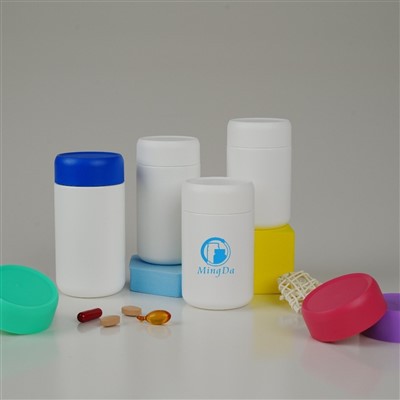
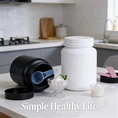
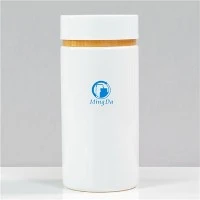
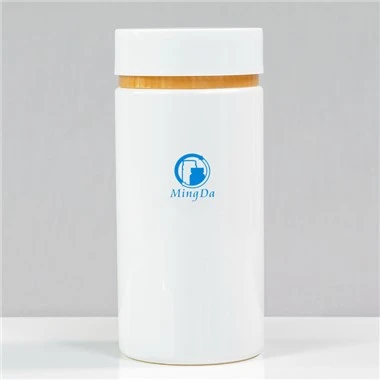
Plastic HDPE Bottles

Mingda: Your Professional Plastic HDPE Bottles Manufacturer!

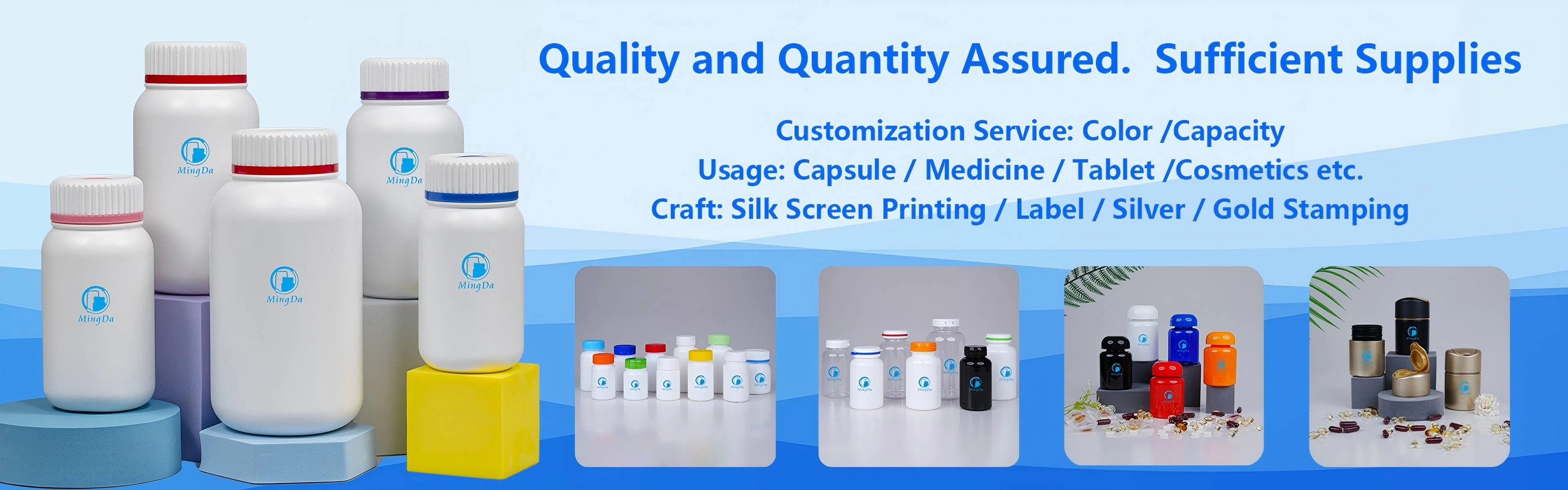
Mingda Plastic Products Co., Ltd. is a comprehensive manufacturer of medical and food plastic packaging containers specializing in design, development, production and sales. Our products are specialized in packaging containers for food, pharmaceutical and healthcare applications, supplements and cosmetics.

Excellent R&D Team

We have a 30-member quality and R&D team and a 90-member technical team. Every stage—from product design to mold making, packaging, and logistics—is strictly monitored and controlled.

Customizable

With 19 years of manufacturing experience, all our bottles, caps, and liners support full OEM/ODM customization, including shape design, color matching, logo printing, and sealing options.

Quality Assurance

Our factory is certified with ISO9001, ISO22000, ISO14001, ISO45001, and HACCP to ensure consistent, safe, and compliant packaging products.

Advanced Instruments

We operate 203 sets of production equipment and a Class-10,000 clean testing room equipped with professional instruments, including torque testers, vacuum seal testers, IR spectroscopy analyzers, induction sealers, stability chambers, and more.
 

First 1234567 Last 1/17
productcate-7008-4672

What is an HDPE Plastic Bottle?


HDPE bottles are lightweight, durable, and food-grade containers commonly used for supplements, pharmaceuticals, and food products.

They offer strong impact resistance, good moisture protection, and stable chemical properties.


Key Features of HDPE Plastic Bottles
Pharmaceutical Hdpe Bottle

Strong and Impact-Resistant


HDPE bottles hold up well during transport and daily handling, making them reliable for both lightweight and heavy-duty products.

Hdpe Capsule Bottle

Excellent Chemical Compatibility


The material resists most acids, alkalis, and solvents, ensuring safe storage for sensitive formulas.

Powdery Jars

Good Temperature Durability


From hot filling to cold storage, HDPE maintains stability without warping or cracking.


DSC05937_

Lightweight Yet Durable


Despite being light, HDPE offers impressive strength, reducing shipping costs while keeping your product well-protected.


Our Main HDPE Bottle Types

DSC05964_ -

Round HDPE Bottles

Classic and versatile, ideal for liquids, supplements, and powders. Reliable, easy to fill, and transport.
3_

Wide-Mouth Bottles

Designed for powders and granules, such as protein powder or nutraceutical blends. Easy to scoop and pour.
productcate-1-1

HDPE Capsule Bottles

Specially made for tablets, capsules, and softgels. Usually paired with child-resistant caps, wheel caps, or other secure closures.
productcate-1000-1000

Sprayer-Compatible Bottles

HDPE bottles designed to work with trigger sprayers or fine mist pumps. Ideal for disinfectants, cleaning agents, and care solutions.
3

HDPE Square Bottles

Space-efficient and stackable, HDPE square bottles are perfect for liquids, powders, or supplements where shelf density and neat storage matter.
productcate-1000-1000

Eye Drop Bottles

Precision-designed for liquids requiring controlled dispensing. Compatible with droppers or specialized caps to ensure safety and accuracy.
Tearing HDPE Round Bottle

HDPE Tear-Off Bottles

Convenient one-time opening bottles with tear-off caps. Perfect for single-use supplements, liquid medicines, or nutraceuticals.
Medicine Hdpe Cylindrical Bottle

Cylindrical Bottles

Classic straight-sided bottles, versatile for liquids, powders, or capsules. Stable, easy to fill, and ideal for labeling.


productcate-7008-3229


HDPE bottles are strong, lightweight, and safe for food and supplements. They resist cracks, handle transport well, and help keep contents fresh longer. On top of that, they’re recyclable, making them practical for both businesses and the environment.


How to Choose Plastic HDPE Bottles


Purpose

The first thing to consider when choosing an HDPE bottle is its use. Is the bottle used to store food, pharmaceuticals or industrial chemicals? Different types of products require different levels of purity and suitability for use with specific substances, so it is important to choose an HDPE bottle that is suitable for the product or substance that is to be stored in it.

Size

The size of the HDPE bottle is another important factor to consider. Consider the amount of product you need to store or transport and choose a bottle that suits your needs. Larger bottles are generally more cost-effective and efficient for storing and transporting large quantities of product, while smaller bottles are more portable and easier to handle when space is limited.

Shape and Design

HDPE bottles come in many different shapes and designs, such as round, square, or oval, and come in a variety of neck sizes and closure options. When choosing a bottle, consider the shape that best suits your needs. For example, square bottles take up less space on shelves and in boxes than round bottles.

Transparency and Color

The clarity and color of the bottle are also important factors to consider, depending on the product or substance stored in it. Transparent bottles are best for products that need to be visible, while opaque bottles are better for light-sensitive products. Choosing a colored bottle can also provide additional protection, such as UV blocking properties or additional protection against photodegradation.


Certificate
 

productcate-1240-536

productcate-1232-541


Frequently Asked Questions
 

Q: What is, HDPE and why is it used for plastic bottles?

A: lightweight, and resistant to impact, chemicals, and temperature changes. It is often used for a wide range of products, including plastic bottles. HDPE is a popular choice for plastic bottles because it provides a strong barrier against moisture and air, which makes it ideal for storing liquids and other food products. It is also recyclable, making it an eco-friendly choice.

Q: What are the advantages of using HDPE for bottle manufacturing?

A: HDPE bottles are strong and impact-resistant, making them ideal for packaging products that may need to be transported and handled. And HDPE is highly chemically resistant, making it a good choice for packaging products that may react with other materials.

Q: Can HDPE bottles be recycled?

A: Yes, HDPE (high-density polyethylene) bottles can be recycled. They are one of the most commonly recycled types of plastic, as they are easily processed and can be turned into a variety of new products such as plastic lumber, storage containers, and recycling bins.

Q: How long does it take for an HDPE bottle to decompose in the environment?

A: An HDPE bottle can take around 450 years to decompose in the environment. However, some estimates suggest it may take up to 1000 years for complete degradation in certain conditions.

Q: What is the cost difference between HDPE and PET bottles?

A: This depends on many factors such as market demand, supply, region, purchase quantity, etc. It is best to check with the supplier or manufacturer for the latest pricing information.

Q: What is the maximum temperature that HDPE bottles can withstand?

A: HDPE (High-density polyethylene) bottles can withstand a maximum temperature of around 80-100°C (176-212°F) for a short period of time. However, long-term exposure to temperatures above 60°C (140°F) can cause deformation and deterioration of the material. Therefore, it is recommended to avoid hot liquids or food in HDPE containers for extended periods.

Q: Are there any health concerns associated with using HDPE bottles?

A: If they are exposed to high temperatures or UV rays for an extended period of time, the plastics may break down and leach chemicals into the bottles, potentially causing health problems. Additionally, some studies suggest a possible link between certain chemicals in HDPE and reproductive and developmental problems.

Q: Can HDPE bottles hold liquids with high acidity or alkalinity?

A: Yes, HDPE bottles are resistant to both high acidity and alkalinity, making them suitable for storing a wide range of liquids such as acidic and alkaline solutions, as well as oils and other chemicals.

Q: What is the typical lifespan of an HDPE bottle?

A: The typical lifespan of an HDPE bottle is variable and depends on various factors such as exposure to sunlight, temperature, and chemical exposure. In general, HDPE bottles can last for several years to an indefinite period, depending on their use and storage conditions.

Q: Can HDPE bottles be used for storing food products?

A: Yes, HDPE (high-density polyethylene) bottles are commonly used for storing food products such as milk, juice, water, and condiments. They are considered safe for food use as they are non-toxic, durable, and resistant to chemicals and UV light. However, it is important to note that not all HDPE plastics are suitable for food contact, as some may contain additives that are not safe for food use.

Q: How does the manufacturing process of HDPE bottles impact the environment?

A: The manufacturing process of HDPE bottles requires large amounts of energy and water. The production of HDPE plastic also requires petroleum, a non-renewable resource, which could lead to the depletion of fossil fuels. And the manufacturing process of HDPE bottles releases greenhouse gases, including carbon dioxide, that contribute to climate change.

Q: What methods are used to recycle HDPE bottles?

A: Start by sorting the bottles by color, as different colors of HDPE require different recycling processes. The bottle is then washed to remove any labels, glue or contents.

Q: Are HDPE bottles suitable for pharmaceutical products?

A: Yes, HDPE (High-Density Polyethylene) bottles are suitable for pharmaceutical products as they are chemically resistant, durable, and have a good moisture barrier. They are commonly used for solid or liquid oral medications, tablets, and capsules, as well as topical products such as creams, lotions, and ointments. Additionally, they are also used for packaging of non-sterile powders, veterinary products, and nutraceuticals.

Q: What is the recycling rate of HDPE bottles globally?

A: European HDPE bottle recycling rates increased by 2.9% to 47.9%. The U.S. recycling rate for HDPE bottles and containers was 29.1% in 2018, according to the EPA.

Q: Can HDPE bottles be reused?

A: HDPE bottles can be reused, but it depends on the type of product the bottle originally contained. If the product was a hazardous material, it is not recommended to reuse the bottle as it may contaminate any new product that is placed inside. Additionally, if the bottle has any visible signs of damage or wear, it should not be reused as it may compromise the safety and effectiveness of the new product. It is also important to properly clean and sanitize the bottle before reuse.

Q: What types of closures or caps are commonly used for HDPE bottles?

A: Some common closures or caps for HDPE bottles include screw caps, snap caps, and flip-top caps.

Q: How do you dispose of HDPE bottles properly?

A: Before handling any HDPE bottle, be sure to rinse it thoroughly to remove any remaining liquid or food particles. This will prevent any contamination and make the bottle more recyclable. Look for the recycling symbol on the bottom of the bottle. If there is a number 2, it means it is made of HDPE and can be recycled.

Q: Can HDPE bottles be used for hot liquids?

A: It is generally not recommended to use HDPE bottles for hot liquids as they are not able to withstand high temperatures. HDPE bottles have a maximum recommended temperature of around 120°F (49°C). Exposing the bottle to liquids that are too hot could deform the bottle or cause it to leak. It is safer to use materials like glass, metal or high-temperature plastics for hot liquids.

Q: What is the typical capacity range of HDPE bottles?

A: The typical capacity range of HDPE bottles is between 100 milliliters to 5 liters.

Q: How does the thickness of an HDPE bottle impact its durability?

A: The thickness of an HDPE (high-density polyethylene) bottle directly impacts its durability. A thicker HDPE bottle is generally more durable and can withstand higher levels of pressure and impact than a thinner HDPE bottle. This is because thickness adds strength to the bottle and allows it to resist deformation, cracks, and breaks. A thicker HDPE bottle is also more resistant to environmental factors like temperature changes, sunlight, and chemicals.

Hubei Mingda Plastics Products Co., Ltd. is one of the most professional plastic hdpe bottles manufacturers and suppliers in China, specialized in providing high quality products with low price. If you're going to wholesale cheap plastic hdpe bottles in stock, welcome to get free sample from our factory. Also, customized service is available.

plastic screw caps

home

phone

Email

Inquiry

Bag