

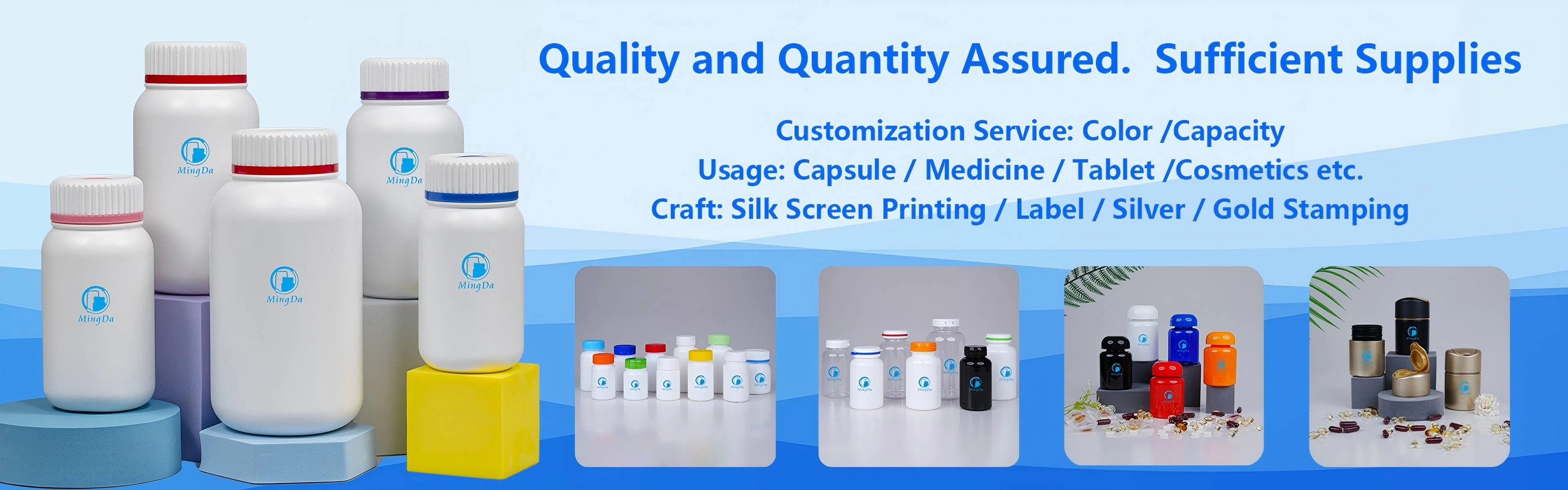
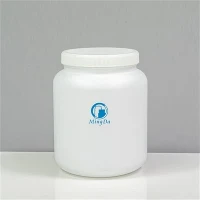
Plastic Jars
Mingda: Your Professional Plastic Jars Manufacturer!
Mingda Plastic Products Co., Ltd. is a comprehensive manufacturer of medical and food plastic packaging containers specializing in design, development, production and sales. Our products are specialized in packaging containers for food, pharmaceutical and healthcare applications, supplements and cosmetics.
Excellent R&D Team
The company has a R&D team of 20 people and a technical team of 50 people. We conduct strict supervision and control from product design, mold making, packaging solutions and logistics transportation.
Customizable
We have 8 years of production experience, and all products can be customized OEM and ODM.
Quality Assurance
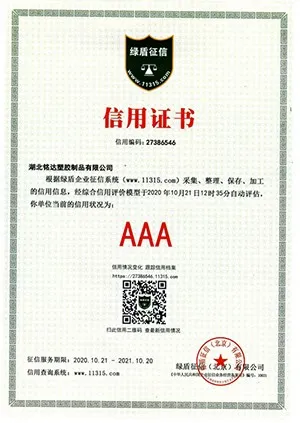
Our products have obtained ROSH, CE, BV, SGS, REACH and other certificates.
Advanced Instruments
The company has 172 sets of production equipment, 10,000-level inspection rooms and professional testing equipment.


Plastic jars are containers made of plastic material. They come in various sizes and shapes and can be transparent or colored. These jars are commonly used to store a variety of products such as cosmetics, personal care products, paints, tablets, creams, lotions, powders, and food products.

Features of Plastic Jars
Good Formability
Plastic is a great material in terms of formability. Plastics can be molded, cast, rolled, pressed, stamped, extruded, etc. They can form complex shapes, including shapes that are difficult or impossible to form with other materials.
Resistant to Chemical and Water Degradation
Our products will not corrode or degrade like metals. Metal can rust, weakening the structural integrity of the container. Rust also poses the threat of product contamination, especially food and pharmaceuticals.
Light Weight
Plastic is approximately 0.8 to 1.5 times denser than water. Steel is about 7.8 times denser, while glass and ceramics are about 2 to 3 times denser. This shows that plastic is much lighter than metal and glass used for the same application. In addition, our products are carefully designed to have a high strength-to-mass ratio.
Flexibility
Our products can be made from different types of chemicals through a variety of processes. Each type of plastic has inherent mechanical properties. These properties are modified by compounding special additives that increase its flexibility and strength.
Materials of Plastic Jars
Polyethylene (PE)
Polyethylene is a commonly used plastic material that is lightweight, durable and has excellent chemical resistance. It is often used in food and household items.
Polypropylene (PP)
Polypropylene is a strong and lightweight plastic with excellent heat and chemical resistance. It is commonly used in food packaging, cosmetics and household products.
Polycarbonate (PC)
Polycarbonate is a tough, durable plastic with excellent transparency and high temperature resistance. It is commonly used in baby bottles, food storage containers and medical equipment.
Polyethylene Terephthalate (PET)
Polyethylene terephthalate is a recyclable plastic that is lightweight and has excellent barrier properties against water, oxygen and carbon dioxide. It is commonly used in food and beverage containers.
ABS
ABS is a tough and durable plastic that is impact, heat and chemical resistant. It is commonly used in household items, toys, and automotive parts.
Polystyrene (PS)
Polystyrene is a lightweight, rigid plastic commonly used in disposable food packaging, medical equipment and insulation.
Benefits of Using Plastic Jars

Long Service Life
Plastic Jars are chemically and abrasion resistant, making them less likely to degrade under normal conditions. This gives them a long service life. Some plastic additives further enhance their durability by resisting oxidation and UV radiation.

Recyclability
Like glass and metal, Plastic Jars can be recycled. Traditionally, plastic is recycled by heating and melting it. By heating, the plastic melts and is shaped into the raw material from which new plastic products are made.

Low Production Cost
Plastic Jars are easy to shape and require less energy to produce than metal and glass containers. Plastic is easy to shape when heated, requiring only moderate pressure. Plastics can even be shaped using compressed air. The temperature of its molten state is not as high as that of metals and glasses. The plastic in this state can be injection molded without the need for expensive molds and tooling.

Safety and Hygiene
Plastic jars are very hygienic and can be washed and sterilized, thus maintaining the good hygiene of their inner containers. In addition, it has waterproof and antibacterial properties, making it easier for users to keep clean and hygienic.
Process of Plastic Jars

Injection Molding
Injection molding is a plastic molding process that involves injecting molten plastic into an enclosed cavity or mold. The process has three main operations: heating and grinding the plastic until it flows under pressure, injecting the plastic into the mold and allowing it to cool, and opening the mold to eject the plastic container.

Blow Molding
Blow molding forms plastic containers by inflating a softened plastic compound inside a mold. The main processes of blow molding are: heating the plastic and shaping it into a tube called a parison or preform, closing and clamping the preform between two molds, inflating the preform, and cooling the product. Eject it from the mold.

Rotational Molding
Rotational molding, commonly referred to as "rotational molding," is a plastic casting technology used to produce hollow and seamless plastic containers. The process uses no pressure to form its product.

Thermoforming
Thermoforming is a process in which a thin plastic sheet is heated to forming temperature and stretched over a mold. It is a secondary plastic molding process that does not use plastic raw materials for compounding. Instead, it uses plastic sheet or film produced through a preliminary process such as extrusion or calendering.

How to Choose Plastic Jars
Determine Purpose
The first thing to consider when choosing plastic jars is what you plan to use them for. For example, if you plan to store food or liquids, you will need food-grade plastic jars that are safe for food storage.
Jar Type
The most important point to consider should be the jar type. You cannot use jars of any kind to package your products, especially when handling food, as some plastic jars may contaminate the product. Polyethylene terephthalate (PET or PETE) and high-density polyethylene (HDPE) bottles are the safest plastic bottles of any product.
Size
The size of the plastic jar depends on the items you want to store. If the quantity is small, choose jars with proportional sizes. Large quantities require larger jars.
Width
Width should be the third factor to consider. Plastic jars come in different diameters. You should determine what diameter is suitable for your product.
Special Function
Plastic jars come with airtight lids or snap-on lids to keep items fresh for longer. Choose plastic jars with special features that suit your needs.
Module title
Preparation Before Cleaning
First, if there is any residue in the plastic jar, remove it, which will make cleaning easier and more thorough. Then, prepare the necessary cleaning supplies such as sponges, detergent, dishwashing liquid, or vinegar.
Clean with Detergent
Use a cleaning tool such as a sponge or brush on the inner wall and bottom of the plastic jar, adding an appropriate amount of detergent and warm water. Cleaners can moisturize residue and make cleaning easier. The cleaner can be dishwashing liquid, an all-purpose cleaner, or a cleaner specifically designed for plastics. Add the detergent to water according to the detergent instructions and stir until the foam is rich.
Clean Thoroughly
Use detergent and a sponge or brush to give the inside walls and bottom of the plastic jar a deep clean to make sure dirt and bacteria are completely removed. Note that if the plastic jar has corners or grooves that are difficult to clean, use a small sponge or brush to clean it.
Rinse Clean
Scrub the inside of the plastic jar with clean water to ensure that any detergent residue is completely removed. Rinse with clean water several times until completely rinsed.
Dry
Place the plastic jar in a well-ventilated area to dry, making sure all moisture has evaporated, then place the lid on the jar and store.
Applications of Plastic Jars
Package
Plastic jars are commonly used to package a variety of products, including food, cosmetics, and household items. They are particularly useful for packaging products that need to remain airtight or moisture-proof.
Storage
Plastic jars are commonly used for storage in homes and industries. They can be used to store food, crafts, hardware, and more.
Medical
In the medical field, plastic jars are used to store and transport medical supplies, specimens, and medications.
Beauty and Personal Care
Plastic jars are often used to store beauty and personal care products such as lotions, creams, and serums.
Electronic Product
Plastic jars are used in the electronics industry to package and protect electronic components.
Household Cleaning
Plastic jars with spray tops are widely used for household cleaning products.
Certificate
Frequently Asked Questions
Q: What are plastic jars made of?
Q: What are the common uses of plastic jars?
2. Cosmetics and Personal Care Products – Plastic jars are used to hold cosmetics, lotions, soaps, creams, and other personal care products.
Q: What are the different sizes of plastic jars?
Q: What are the colors available in plastic jars?
Q: Are plastic jars reusable?
Q: Are plastic jars safe to use for food storage?
Q: What are the benefits of using plastic jars?
Q: What are the disadvantages of using plastic jars?
Q: How can you clean plastic jars?
Q: Can plastic jars withstand high temperatures?
Q: Are plastic jars microwave safe?
Q: Are plastic jars dishwasher safe?
Q: What are the different shapes of plastic jars?
Q: Are plastic jars airtight?
Q: Are plastic jars freezer safe?
Q: How long do plastic jars last?
Q: Are plastic jars environmentally friendly?
Q: What are the most common types of plastic used for jars?
Q: Can plastic jars be recycled?
Q: What industries commonly use plastic jars?
Hubei Mingda Plastics Products Co., Ltd. is one of the most professional plastic jars manufacturers and suppliers in China, specialized in providing high quality products with low price. If you're going to wholesale cheap plastic jars in stock, welcome to get free sample from our factory. Also, customized service is available.