

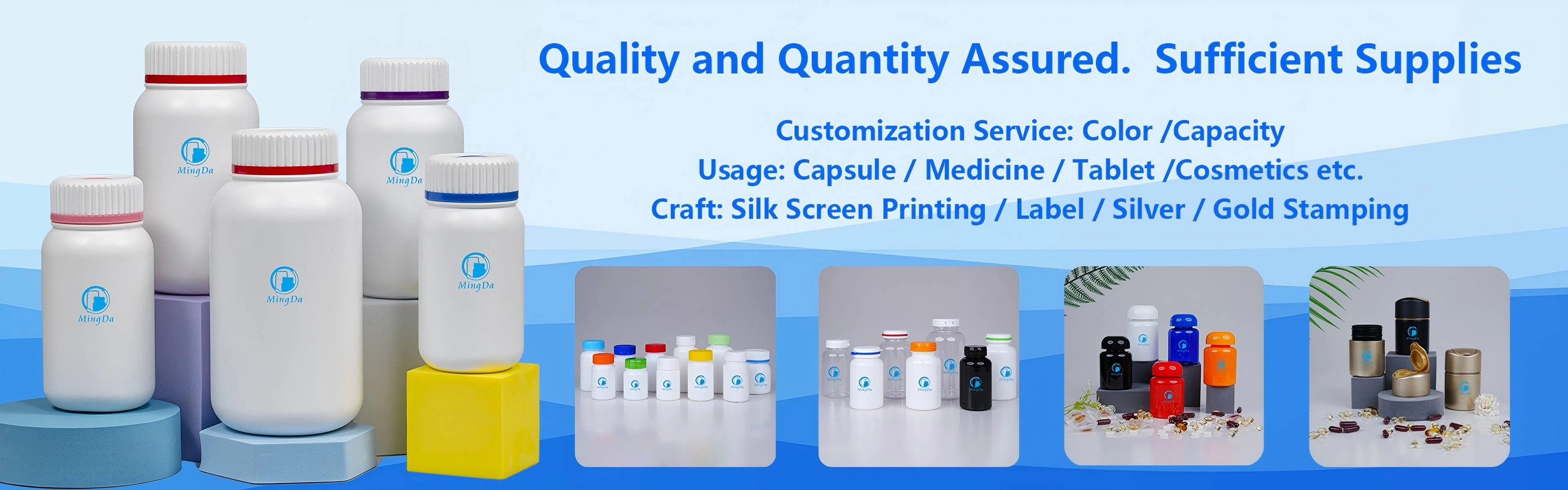
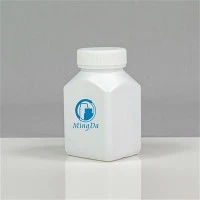
In the modern packaging industry, plastic bottles play an essential role as packaging containers, widely used for products like food, supplements, and pharmaceuticals. To enhance the aesthetic appeal and market attractiveness of plastic bottles, coloring has become an indispensable step in their production. So, what are the common methods of coloring plastic bottles? Let's explore some of the popular coloring techniques.
1. Adding Color Masterbatch
One of the most common methods of coloring plastic bottles is by adding color masterbatch. Color masterbatch consists of pigments, plastic base materials, and other additives, which are mixed into pellets. These pellets are then melted and added to the plastic raw materials during production. This method ensures uniform color distribution during the manufacturing process, offering high color stability and resistance to fading. The advantage of using color masterbatch is its ability to provide good coloring effects, along with a simple production process and low cost.
2. Spray Coating
Spray coating is often used to color the surface of plastic bottles, especially when special decorative effects are required. A spray machine evenly applies pigment to the surface of the plastic bottle, achieving various colors and effects such as metallic sheen or matte finishes. The advantage of this method lies in its flexibility, enabling the creation of intricate designs and patterns, making it suitable for premium packaging needs.
3. Blow Molding Coloring
Blow molding coloring involves adding dye directly to the plastic melt during the bottle production process and then blow-molding it into shape. This method results in the color being evenly distributed within the plastic bottle itself. Compared to using color masterbatch, blow molding coloring allows for deeper and more consistent color results. This method is commonly used for high-volume production where high color accuracy is needed in plastic bottles.
4. Coating Process
The coating process involves applying a layer of paint or decorative coating to the surface of the plastic bottle. This method is commonly used for products that require high durability and scratch resistance, such as premium cosmetic bottles and pharmaceutical containers. Coating not only enhances the visual appearance but also adds a protective layer to the bottle's surface. However, the process is relatively more complex and costly.
5. Water Transfer Printing
Water transfer printing is a technique where color and patterns are transferred to the surface of the plastic bottle using water transfer film. This method is suitable for coloring requirements that involve complex patterns and multi-layered designs, allowing for highly detailed effects. Water transfer printing is commonly used in high-end packaging, especially for bottles with intricate patterns or brand logos, helping to enhance the product's market competitiveness.
Conclusion
There are various methods available for coloring plastic bottles, each with its unique advantages and applications. Choosing the right coloring technique can not only improve the product's appearance and attract consumers but also help a brand stand out in a highly competitive market. Therefore, understanding the characteristics and application fields of different coloring methods is crucial for plastic bottle manufacturers.