


Material Requirements for Cosmetic Plastic Bottles: Balancing Safety and Aesthetics
In the cosmetics industry, packaging is not just the outer appearance of a product; it directly impacts the consumer's experience and the brand's image. As consumers' demands for product quality and safety increase, choosing the right material for cosmetic plastic bottles has become crucial. To ensure the packaging is both safe and aesthetically pleasing, plastic bottles must meet the following strict requirements:
1. Safety: Non-toxic and Harmless Materials
Cosmetics contain various chemicals, so cosmetic plastic bottles must meet food-grade or pharmaceutical-grade standards to ensure they are safe for skin contact and do not cause irritation or harm. Common materials that meet these standards include PET (Polyethylene Terephthalate) and HDPE (High-Density Polyethylene). These materials are chemically stable and do not react with cosmetic ingredients, preventing contamination or degradation of the product.
2. Barrier Properties: Protecting the Product from External Factors
Cosmetic ingredients are sensitive to light, air, and humidity. Therefore, plastic bottles need to have excellent barrier properties to prevent UV rays, oxygen, and other external factors from affecting the product, thereby extending its shelf life. For example, UV-protected PET bottles effectively block ultraviolet rays and protect sensitive cosmetic ingredients.
3. Durability and Temperature Resistance: Withstanding Various Environments
Cosmetic packaging is often used in environments with varying temperatures and humidity levels. Therefore, plastic bottles must be durable and temperature-resistant, preventing deformation or breakage under high or low temperatures. PET and HDPE offer strong physical stability, making them suitable for different environmental conditions.
4. Aesthetic Appeal: Enhancing Brand Image
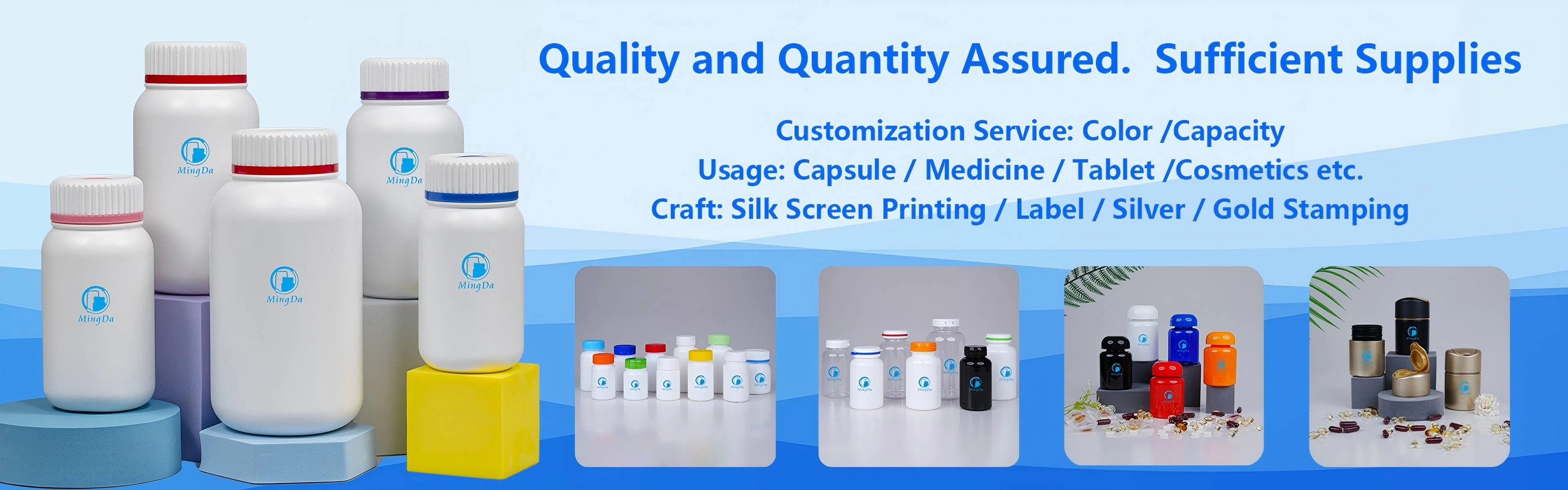
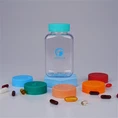
The appearance of cosmetic plastic bottles directly influences consumer purchasing decisions. Through processes like silk-screen printing and hot stamping, plastic bottles can ensure functionality while enhancing the visual appeal of the product. Transparent PET bottles showcase the product's texture and attract consumer attention, boosting brand image.
5. Environmental Friendliness: Meeting Sustainability Goals
As environmental awareness grows, the eco-friendliness of cosmetic packaging has become an important consideration. PET, known for its excellent recyclability, is a commonly used eco-friendly packaging material. More and more brands are exploring the use of bio-based plastics or biodegradable plastics, pushing packaging towards more sustainable and environmentally friendly solutions.
Conclusion
The material choice for cosmetic plastic bottles plays a vital role in ensuring product quality, safety, and brand image. By meeting requirements for safety, barrier properties, durability, aesthetics, and environmental friendliness, the right plastic bottle not only improves product experience but also extends shelf life, helping brands stand out in the market.