

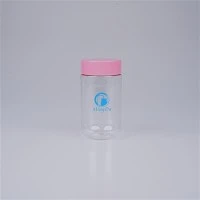
If you've been looking for plastic packaging recently, you've probably noticed a recycling symbol on the bottom of many bottles. Inside the triangle is the number 2, and underneath it is the label HDPE.
For many people, seeing this marking raises several questions:
- What does HDPE actually mean?
- Why do so many medicine bottles, supplement bottles, and milk containers use it?
- How is HDPE different from PET or PP?
- If I'm sourcing plastic bottles, is choosing HDPE always the right decision?
When I first entered the packaging industry, I assumed HDPE was simply the name of a plastic material. After learning more about manufacturing, filling, transportation, and international sourcing, I realized that HDPE represents much more than a material-it also reflects packaging performance, product protection, and long-term purchasing value.
In this guide, I'll explain HDPE in simple language without diving into complicated chemistry. More importantly, I'll share when HDPE is the right choice and when another material may be a better fit.
What Does HDPE Mean?
HDPE stands for High-Density Polyethylene, one of the most widely used plastics in packaging.
Compared with regular polyethylene, HDPE has a denser molecular structure. This gives it greater strength, better impact resistance, and stronger chemical resistance.
A simple comparison makes it easier to understand:
- PET is like a clear display case that focuses on appearance.
- PP is similar to a heat-resistant food container.
- HDPE is more like a durable storage box built for everyday use.
Because of these characteristics, HDPE has become one of the most popular materials for plastic packaging.
You probably use HDPE products every day without even noticing them, including:
- Milk bottles
- Laundry detergent bottles
- Shampoo bottles
- Pharmaceutical bottles
- Dietary supplement bottles
- Disinfectant containers
- Chemical packaging bottles
- Agricultural chemical bottles
- Food condiment bottles
Most consumers never realize these packages are made from the same material because HDPE is chosen primarily for performance rather than appearance.
Why Do Plastic Bottles Have "HDPE" and the Number 2 on the Bottom?
What Does the Recycling Symbol Mean?
Many people assume the number indicates the quality grade of the plastic. In reality, it doesn't.
The number inside the recycling triangle is called the Resin Identification Code (RIC). Its purpose is to help identify different plastic materials during recycling.
Here's a quick reference:
| Recycling Code | Material | Common Applications |
|---|---|---|
| 1 | PET | Water bottles, beverage bottles |
| 2 | HDPE | Medicine bottles, milk bottles, supplement bottles |
| 3 | PVC | Pipes, construction materials |
| 4 | LDPE | Plastic bags, flexible packaging |
| 5 | PP | Food containers, bottle caps |
| 6 | PS | Disposable tableware |
| 7 | Other | PC, bioplastics, and other plastics |
If you see the number 2, it simply means the bottle is made from HDPE.
Does Number 2 Mean Better Quality?
---- No.
The recycling code only identifies the type of plastic. It does not indicate:
- Product quality
- Resin grade
- Food-grade certification
- Pharmaceutical-grade certification
- Manufacturing quality
The overall quality of a plastic bottle depends on many additional factors, such as:
- Raw material quality
- Whether virgin resin is used
- Manufacturing equipment
- Mold precision
- Quality control procedures
- Cleanroom production environment
- Bottle and closure design
That's why two HDPE bottles from different manufacturers can perform very differently.
Why Is HDPE the Preferred Material for Pharmaceutical and Supplement Bottles?
If you've sourced packaging before, you've probably noticed that many well-known supplement brands use HDPE bottles.
This isn't a coincidence. It's the result of decades of proven performance.
Excellent Impact Resistance
Plastic bottles experience a lot during transportation:
- Drops
- Compression
- Stacking
- Long-distance ocean shipping
- Continuous vibration
HDPE offers excellent toughness, making it less likely to crack than many rigid plastics.
For international shipments, this durability helps reduce the risk of damaged packaging and product loss.
Good Chemical Resistance
Many packaged products contain ingredients that may interact with packaging materials, including:
- Vitamins
- Herbal extracts
- Capsules
- Powders
- Disinfectants
- Household cleaning products
HDPE resists many common acids, alkalis, and chemicals, making it a reliable choice for a wide range of applications.
However, not every chemical formulation is compatible with HDPE. Compatibility testing is always recommended for specialty products.
Better Light Protection
Most HDPE bottles are naturally opaque or semi-opaque.
This characteristic offers an important advantage.
Many vitamins, supplements, tablets, and powders are sensitive to prolonged light exposure.
That's why manufacturers often choose:
- White HDPE bottles
- Amber HDPE bottles
- Black HDPE bottles
Selecting the appropriate bottle color can provide additional protection depending on the product's storage requirements.
Lightweight and Cost-Effective for Shipping
Compared with glass packaging, HDPE bottles weigh much less.
For international buyers, this can mean:
- More units per shipping container
- Lower freight costs
- Easier handling
- Reduced warehouse burden
Over time, these savings can make a noticeable difference in total procurement costs.
Are HDPE Plastic Bottles Safe?
This is one of the most common questions buyers ask.
The answer depends on two important factors.
First, the resin should comply with applicable food-contact regulations.
Second, the bottle should be manufactured under proper quality standards.
Food-grade HDPE is widely used for:
- Food packaging
- Pharmaceutical packaging
- Dietary supplement packaging
- Beverage packaging
If a supplier can provide the appropriate compliance documents and testing reports required by your target market, the purchasing risk is generally much lower.
That said, I recommend looking beyond the material name itself.
It's also worth confirming:
- Whether virgin resin is used
- Whether the manufacturer follows a consistent quality management system
- Whether compliance documents are available
- Whether production and inspection processes meet industry standards
These factors often matter much more than simply seeing "HDPE" printed on the bottle.
HDPE vs. PET: What's the Difference?
Many buyers compare HDPE and PET before making a decision.
The truth is that neither material is universally better. Each serves different packaging needs.
| Feature | HDPE | PET |
|---|---|---|
| Appearance | Mostly opaque | Crystal clear |
| Impact resistance | Excellent | Good |
| Shelf appeal | Moderate | Excellent |
| Chemical resistance | Excellent | Moderate |
| Weight | Lightweight | Lightweight |
| Supplement bottles | Very common | Common |
| Beverage bottles | Less common | Industry standard |
| Household products | Very common | Common |
If product visibility is important, such as for colorful candies or beverages, PET is usually the better option.
If durability, product protection, and shipping performance are higher priorities, HDPE is often the preferred choice.
What Should You Evaluate Before Buying HDPE Plastic Bottles?
Many buyers focus on price during their first inquiry.
However, the purchase price is only one part of the total packaging cost.
Here are the areas I recommend evaluating first.
Raw Material Consistency
Stable raw materials help maintain consistent color, dimensions, and performance across production batches.
This becomes especially important for long-term purchasing programs.
Existing Mold Availability
If a supplier already has a suitable mold, you can avoid mold development costs and shorten production lead times.
If a new mold is required, confirm:
- Mold cost
- Development timeline
- Future ownership and maintenance
Closure and Sealing Performance
Don't evaluate only the bottle.
Bottle caps, sealing liners, tamper-evident features, and moisture protection all affect the overall packaging performance.
For pharmaceutical and supplement products, sealing quality is often even more important than appearance.
Custom Branding Options
Many brands eventually upgrade their packaging.
Ask whether the supplier supports:
- Silk screen printing
- Heat transfer printing
- Hot stamping
- Label application
- Custom bottle colors
- Custom bottle designs
Even if you begin with standard bottles, future customization becomes much easier.
Supply Stability
The lowest quotation doesn't always represent the lowest long-term cost.
Late deliveries, inconsistent quality, or color variations can become much more expensive than paying a slightly higher unit price.
Reliable production and stable supply are often worth far more than the lowest initial price.
Frequently Asked Questions
Can HDPE bottles be reused?
Yes, provided the bottle has not become cracked, deformed, contaminated, or significantly worn. For food, pharmaceutical, or dietary supplement packaging, always consider product requirements and local regulations before reusing containers.
Can HDPE bottles hold hot liquids?
HDPE offers moderate heat resistance but is not intended for prolonged exposure to boiling water or very high temperatures. Always follow the manufacturer's recommendations for your specific application.
Is HDPE recyclable?
---- Yes.
HDPE is one of the most widely recycled plastics worldwide. In many regions, plastic bottles marked with Recycling Code 2 can enter local recycling systems. Actual recycling availability depends on local collection and processing facilities.
Conclusion
When you see HDPE and the number 2 on the bottom of a plastic bottle, it simply means the bottle is made from High-Density Polyethylene, one of the world's most widely used packaging materials for pharmaceuticals, dietary supplements, food, and household products.
However, HDPE identifies the material-not the quality of the bottle itself. The real performance of the packaging depends on factors such as resin quality, manufacturing processes, mold precision, sealing design, quality control, and the supplier's ability to deliver consistent products over time.
If you're sourcing plastic packaging for your business, don't stop at asking whether the bottle is made from HDPE. Ask whether that particular HDPE bottle is the right solution for your product, your supply chain, and your long-term purchasing goals. Looking beyond the material itself will help you choose packaging that offers better reliability, stronger product protection, and greater value over time.