

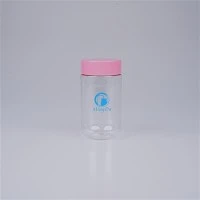
What Are HDPE Bottles? Meaning, Properties, and Uses
Introduction
If you've recently been looking for plastic packaging-whether for dietary supplements, pharmaceuticals, food products, or your own private-label brand-you've probably come across the term HDPE bottle.
When I first entered the packaging industry, I had the same questions. Why do so many medicines, vitamins, protein powders, pet supplements, and even household cleaners use HDPE bottles? How are they different from PET bottles? And why would manufacturers choose an opaque plastic bottle over a clear one?
After working with more packaging projects, I realized that buyers are usually less interested in the chemical definition of HDPE than in practical questions such as:
- Is an HDPE bottle suitable for my product?
- What are its advantages and limitations?
- When should I choose HDPE instead of PET?
- How do I select the right bottle size and specification to avoid costly mistakes?
Rather than repeating textbook definitions, this guide looks at HDPE bottles from the perspective of buyers and product developers. By the end, you'll have a clearer understanding of how HDPE bottles work and how to choose the right packaging for your products.
What Does HDPE Mean?
HDPE stands for High-Density Polyethylene, one of the most widely used thermoplastics in the world. It is identified as Resin Identification Code #2 in plastic recycling systems.
Its defining characteristic is its high density and tightly packed molecular structure, which gives it greater strength and better chemical resistance than standard polyethylene (PE).
Many people assume HDPE is a specialty plastic because of its technical name. In reality, it's an everyday material found in countless products, including:
- Milk bottles
- Shampoo bottles
- Laundry detergent bottles
- Pharmaceutical bottles
- Dietary supplement bottles
- Chemical containers
- Food and condiment packaging
Today, HDPE is recognized as one of the most mature, reliable, and widely used materials in the global packaging industry.


What Is an HDPE Bottle?
Simply put, an HDPE bottle is a plastic container manufactured from high-density polyethylene using the blow molding process.
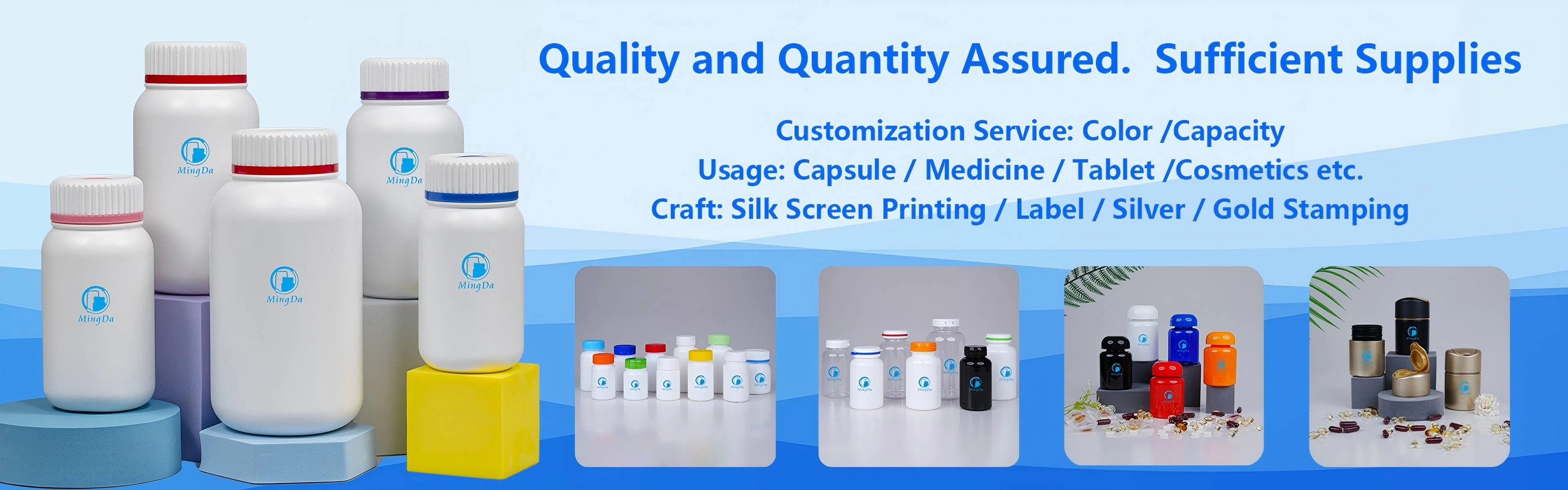
The most noticeable difference between HDPE and PET bottles is appearance. HDPE bottles typically have a natural matte finish, while PET bottles are known for their crystal-clear transparency and glossy surface.
At first glance, some buyers may think HDPE bottles look less attractive than PET bottles. However, in packaging design, performance is often far more important than appearance.
Typical characteristics of HDPE bottles include:
- Lightweight for lower shipping costs
- Excellent impact resistance
- Strong resistance to acids, alkalis, and many chemicals
- Low moisture absorption
- Available in a wide range of colors
- Compatible with surface decoration such as silk-screen printing, hot stamping, and spray coating
Common bottle sizes include:
| Capacity | Typical Applications |
|---|---|
| 30 ml | Sample bottles, medicine bottles |
| 60 ml | Capsule bottles |
| 100 ml | Vitamin bottles |
| 150–250 ml | Dietary supplement packaging |
| 500 ml | Food products, chemicals |
| 1000 ml and above | Industrial packaging |
Different capacities can be paired with various neck finishes, such as 28 mm, 38 mm, 45 mm, and 53 mm, depending on the closure and sealing requirements.
Key Properties of HDPE Bottles
Many buyers simply know that HDPE is "strong," but its real value comes from a combination of performance characteristics.
| Property | Benefit | Value to Buyers |
|---|---|---|
| Impact resistance | Resists cracking and breakage | Reduces shipping damage |
| Chemical resistance | Compatible with many chemicals | Suitable for diverse applications |
| Moisture resistance | Helps reduce moisture transmission | Extends product shelf life |
| Lightweight | Lower density than glass | Saves transportation costs |
| Food-grade options | Available in food-contact compliant resins | Suitable for food and supplements |
| Recyclability | Resin Code #2 | Supports sustainability goals |
1. Excellent Impact Resistance
For products shipped over long distances, durability often matters more than appearance.
Compared with glass containers, HDPE bottles are much less likely to crack or shatter if dropped during transportation. This reduces product loss, minimizes customer complaints, and lowers replacement costs.
For international shipping, this advantage becomes even more significant.
2. Strong Chemical Resistance
HDPE is compatible with many commonly used chemicals, making it suitable for industries beyond food packaging.
Typical applications include:
- Disinfectants
- Dishwashing liquids
- Laundry detergents
- Agricultural chemicals
- Industrial cleaning products
However, not every chemical is compatible with HDPE. If your formulation contains aggressive solvents or specialty chemicals, it's always recommended to perform a compatibility test before mass production.
3. Excellent Moisture Resistance
Moisture can significantly affect the shelf life of tablets, capsules, powders, and nutritional supplements.
HDPE naturally provides good moisture resistance. When combined with induction seals, aluminum foil liners, or pressure-sensitive liners, it offers even better protection against humidity.
This is one of the main reasons why many supplement brands choose HDPE bottles instead of standard plastic containers.
4. Lightweight for Lower Shipping Costs
Shipping costs are often directly related to package weight.
Compared with glass, HDPE bottles are significantly lighter, reducing freight costs while making products easier to handle throughout the supply chain.
For exporters shipping full containers, these weight savings can translate into meaningful logistics cost reductions.
What Are the Advantages of HDPE Bottles?
After decades of development, HDPE remains one of the world's most widely used packaging materials for several reasons.
Cost-Effective
Compared with glass and many engineering plastics, HDPE offers an excellent balance between material cost, manufacturing efficiency, and transportation expenses, making it ideal for high-volume production.
Highly Customizable
HDPE bottles can be customized in many ways, including:
- Bottle color
- Capacity
- Neck finish
- Silk-screen printing
- Hot stamping
- Matte or specialty surface finishes
These customization options help brands create distinctive packaging that stands out on the shelf.
Ideal for Automated Manufacturing
HDPE blow molding is a mature production process with high manufacturing efficiency. It supports large production volumes while maintaining consistent product quality, making it well suited for commercial-scale packaging.
HDPE vs. PET Bottles: What's the Difference?
This is one of the most common questions during the purchasing process.
| Feature | HDPE | PET |
|---|---|---|
| Transparency | Low; usually opaque or translucent | Excellent clarity |
| Impact resistance | Excellent | Good |
| Chemical resistance | Excellent | Good |
| Heat resistance | Better | Moderate |
| Weight | Lightweight | Lightweight |
| Appearance | Matte finish | Clear and glossy |
| Typical applications | Supplements, pharmaceuticals, chemicals | Beverages, cosmetics, food |
If your product benefits from displaying the contents-such as beverages, juices, or transparent skincare products-PET is often the better choice.
If moisture protection, chemical resistance, and transportation durability are more important, such as for supplements, pharmaceuticals, or chemical products, HDPE is usually the better option.
Rather than choosing a material based solely on appearance, it's best to consider your product characteristics, transportation conditions, regulatory requirements, and target market.


Are HDPE Bottles Safe?
This is a common concern among consumers and product manufacturers alike.
HDPE is widely used for food, drinking water, pharmaceutical, and dietary supplement packaging. When manufacturers use food-contact compliant HDPE resin and produce bottles according to applicable quality standards, HDPE bottles are suitable for food and supplement packaging.
Many HDPE bottles also offer the following characteristics:
- BPA-free (depending on the resin used)
- Low odor
- Excellent chemical stability
- Compatible with food-grade sealing systems
However, packaging safety depends on more than just the material itself. Manufacturing conditions, quality control procedures, and the intended application all play important roles.
When selecting a supplier, it's important to evaluate not only the material but also the company's manufacturing standards and quality assurance capabilities.
Can HDPE Bottles Be Recycled?
---- Yes.
HDPE is classified as Recycling Code #2, one of the most widely recycled plastics in many countries.
Recycled HDPE can be converted into a variety of new products, including:
- Plastic pallets
- Drainage pipes
- Garbage bins
- Composite outdoor lumber
- Industrial storage containers
For brands looking to improve their sustainability profile, designing recyclable packaging and including appropriate recycling labels can enhance environmental responsibility.
How to Choose the Right HDPE Bottle
Here are several factors that buyers often overlook during the purchasing process.
First, understand your product. Is it a tablet, capsule, powder, liquid, or chemical? Different products require different packaging properties.
Second, choose the right capacity and bottle shape. Don't focus only on volume. Consider label space, bottle proportions, and shelf appearance as well.
Third, confirm the neck finish. The bottle neck must match the cap, sealing liner, and filling equipment. An incorrect specification can lead to unnecessary costs later.
Fourth, decide whether customization is necessary. If you're building a brand, planning bottle color, printing, logo decoration, and surface finish early can save both time and tooling costs.
Finally, evaluate your supplier's capabilities. Price is important, but so are production capacity, quality inspection procedures, export experience, and delivery consistency. For long-term partnerships, reliable supply is often more valuable than the lowest initial price.
Conclusion
HDPE bottles have maintained their position as one of the world's leading packaging solutions not because they offer the most eye-catching appearance, but because they achieve an excellent balance between durability, chemical resistance, moisture protection, transportation efficiency, and cost-effectiveness.
If your products include dietary supplements, pharmaceuticals, food items, or household chemicals, HDPE is often one of the best packaging materials to consider. That said, the right choice should always be based on your product requirements, regulatory compliance, brand positioning, and supply chain needs-not simply on market trends.
A well-designed package is more than just a container. It protects product quality, improves transportation safety, and strengthens your brand image. Investing time in understanding packaging materials today can help you avoid costly mistakes and make smarter purchasing decisions in the future.