

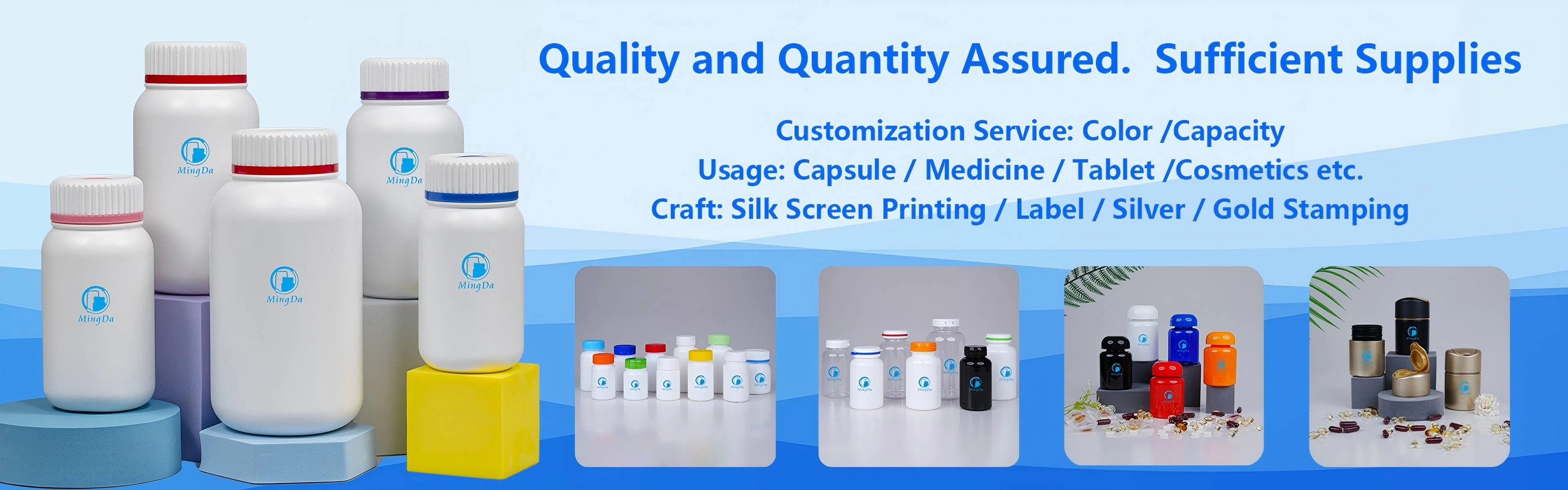
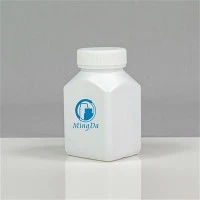
One of the first decisions buyers make when sourcing plastic bottles is selecting the appropriate material. While dozens of plastic resins are available for packaging, PET (Polyethylene Terephthalate) and HDPE (High-Density Polyethylene) remain the two most widely used options across food, beverage, dietary supplement, pharmaceutical, cosmetic, and household product industries.
Neither material is universally better. The right choice depends on your product formulation, branding goals, filling process, transportation conditions, and regulatory requirements.
Instead of asking, "Which material is best?", experienced buyers ask:
- Which material better protects my product?
- Which material works with my filling line?
- Which material provides the appearance my customers expect?
- Which material offers the best balance between performance and cost?
Understanding PET Bottles
PET is a lightweight, durable, and highly transparent plastic known for its excellent appearance and dimensional consistency.
Because consumers can clearly see the product inside, PET is frequently selected for products where visibility enhances purchasing confidence.
Typical applications include:
- Dietary supplements
- Vitamins
- Gummies
- Protein powders
- Honey
- Spices
- Dry food
- Personal care products
- Beverage containers
For buyers searching pet plastic bottles wholesale, PET is often preferred when shelf presentation is a priority.


Advantages of PET
✔ Crystal-clear appearance
✔ High impact resistance
✔ Lightweight construction
✔ Good moisture barrier
✔ Easy to decorate with shrink sleeves or labels
✔ Recyclable in many regions
PET bottles are also compatible with numerous closure styles, making them suitable for automated filling and capping systems.
However, buyers should remember that PET is generally intended for room-temperature applications. Products requiring hot filling or prolonged exposure to elevated temperatures may require alternative materials.
Understanding HDPE Bottles
HDPE offers a different set of advantages.
Rather than emphasizing transparency, HDPE focuses on durability, chemical resistance, and toughness.
Common applications include:
- Pharmaceuticals
- Cleaning products
- Industrial chemicals
- Nutritional supplements
- Agricultural products
- Healthcare packaging
HDPE naturally appears translucent rather than completely transparent, although it can be produced in a wide variety of colors.


Advantages of HDPE
✔ Excellent chemical resistance
✔ High impact strength
✔ Good stress crack resistance
✔ Suitable for many liquid formulations
✔ Lower risk of breakage during transportation
For products containing alcohols, acids, oils, or other active ingredients, HDPE may provide better long-term compatibility than PET.
PET vs. HDPE Comparison
| Feature | PET | HDPE |
|---|---|---|
| Transparency | Excellent | Translucent or opaque |
| Surface gloss | High | Moderate |
| Chemical resistance | Good | Excellent |
| Rigidity | High | Moderate |
| Impact resistance | Very good | Excellent |
| Product visibility | Excellent | Limited |
| Common applications | Food, supplements, cosmetics | Pharmaceuticals, chemicals, household products |
| Decoration | Excellent for labels and shrink sleeves | Excellent for direct printing and labels |
This comparison highlights why material selection should always begin with product requirements rather than personal preference.
Consider the Entire Packaging System
Material selection should never be made independently.
Buyers should also evaluate:
- Filling temperature
- Product viscosity
- Expected shelf life
- Transportation conditions
- Warehouse storage
- Closure compatibility
- Induction sealing requirements
- Labeling method
A bottle that performs well in laboratory testing may still create production issues if it is incompatible with downstream packaging equipment.
Does Bottle Color Really Matter?
Many buyers choose bottle colors based primarily on branding.
While appearance is important, color also affects product protection, consumer perception, inventory management, and manufacturing flexibility.
Selecting the correct color should balance both marketing and functional requirements.
Clear Plastic Bottles
Among wholesale packaging products, clear plastic bottles with lids wholesale remain one of the most frequently requested options.
Transparency provides several practical advantages.
Consumers can immediately inspect the product.
Manufacturers can more easily monitor filling levels during production.
Retailers often prefer transparent packaging because it allows product differentiation without opening the package.
Typical products include:
- Capsules
- Gummies
- Vitamins
- Protein powder
- Honey
- Spices
- Beverage concentrates
However, transparency also allows more light to reach the product, which may not be suitable for formulations sensitive to UV exposure.
Black Plastic Bottles
Demand for black plastic bottles wholesale has increased significantly in industries where premium branding and product protection are equally important.
Black packaging provides several advantages.
Premium Appearance
Many luxury nutritional supplements and cosmetic brands use black bottles to create a professional, high-end image.
Better Light Protection
Opaque black bottles help reduce light exposure, making them suitable for products that are sensitive to prolonged illumination.
Better Shelf Contrast
On crowded retail shelves, black packaging often creates stronger visual differentiation than transparent packaging.
Potential applications include:
- Nutritional supplements
- Essential oils
- Personal care products
- Cosmetic formulations
- Laboratory products
However, buyers should confirm whether black packaging aligns with recycling requirements and regional packaging regulations in their target markets.
Other Common Bottle Colors
Besides clear and black, manufacturers commonly offer:
| Color | Typical Applications |
|---|---|
| White | Pharmaceuticals, healthcare products |
| Amber | UV-sensitive formulations |
| Blue | Personal care and healthcare |
| Green | Botanical and natural products |
| Custom Pantone Colors | Brand identity and product differentiation |
For companies launching multiple product lines, maintaining consistent color standards across production batches is often just as important as selecting the color itself.
Selecting the Right Closure
Many procurement teams focus heavily on bottle specifications while giving relatively little attention to closures.
In practice, the closure is one of the most critical components of the entire packaging system.
Even a perfectly manufactured bottle cannot perform properly if the cap does not provide a secure seal.
When sourcing product bottles wholesale, buyers should evaluate the bottle and closure as a complete package.
Common closure options include:
- Screw caps
- Child-resistant caps
- Flip-top caps
- Disc-top caps
- Tamper-evident caps
- Tear-off caps
Each serves different applications depending on product type and user requirements.
Induction Seals and Liners
Many food, pharmaceutical, and supplement products require additional sealing systems.
Common liner options include:
| Liner Type | Typical Use |
|---|---|
| Pressure-sensitive liner | Dry products |
| Induction foil seal | Food and supplements |
| Foam liner | General packaging |
| Vented liner | Chemical products requiring pressure equalization |
Selecting the correct liner improves:
- Leak resistance
- Product freshness
- Tamper evidence
- Consumer confidence
Buyers should always verify compatibility between the bottle neck finish, cap design, and chosen liner before mass production.
Why Bottle Weight Matters
An often-overlooked specification is bottle weight.
Two bottles with identical dimensions may differ significantly in resin usage.
Lighter bottles can reduce freight costs but may sacrifice rigidity.
Heavier bottles often provide a more premium feel but increase material consumption and shipping expenses.
Rather than choosing the lightest or heaviest option, buyers should evaluate:
- Product density
- Transportation conditions
- Stacking requirements
- Consumer expectations
- Sustainability goals
The optimal bottle weight is one that meets performance requirements without unnecessary material use.
Procurement Tip
When requesting quotations, avoid asking only for a price based on capacity.
Instead, provide a detailed specification sheet including:
- Capacity
- Material
- Color
- Bottle weight
- Neck finish
- Closure type
- Liner requirement
- Label dimensions
- Estimated annual demand
- Intended application
Providing complete specifications allows suppliers to prepare more accurate quotations and reduces the likelihood of misunderstandings later in the project.
Part 1:Tips for Buying Plastic Bottles: A Complete Guide to Sizes, Materials, and Choosing Suppliers