

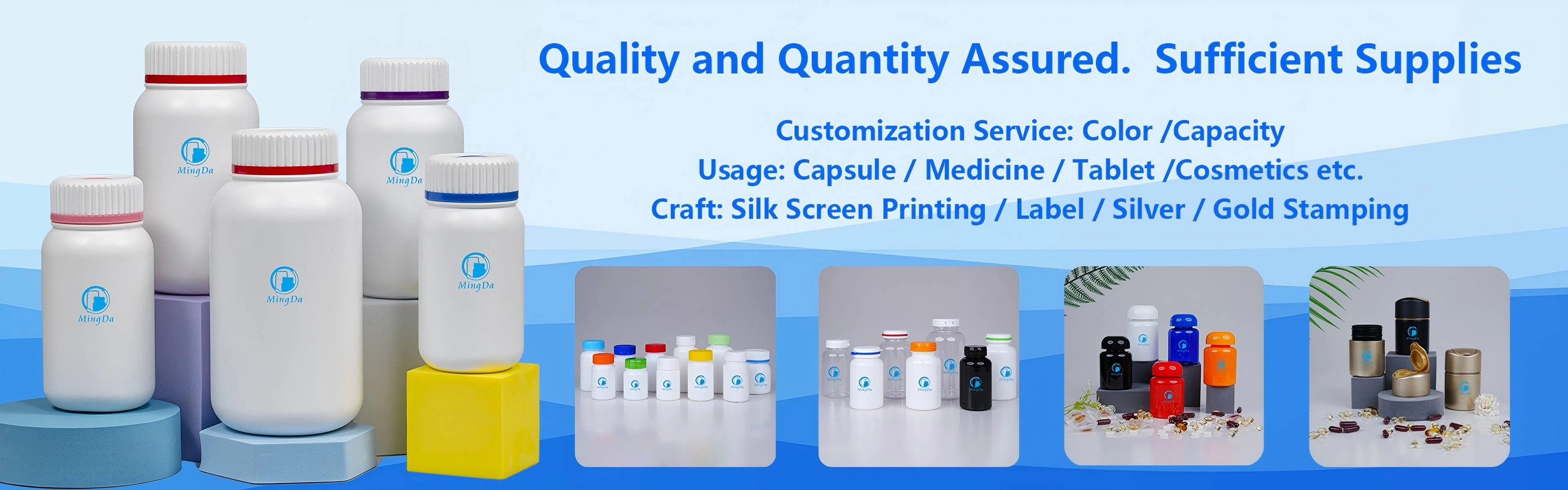

Before confirming a wholesale order, it's worth taking a final step back to review every aspect of your packaging requirements. A well-prepared purchasing plan can reduce delays, avoid compatibility issues, and make supplier quotations easier to compare.
Use the checklist below as a reference before requesting samples or placing production orders.
| Checklist Item | Questions to Consider |
|---|---|
| Product Application | Is the bottle intended for food, supplements, cosmetics, pharmaceuticals, or household products? |
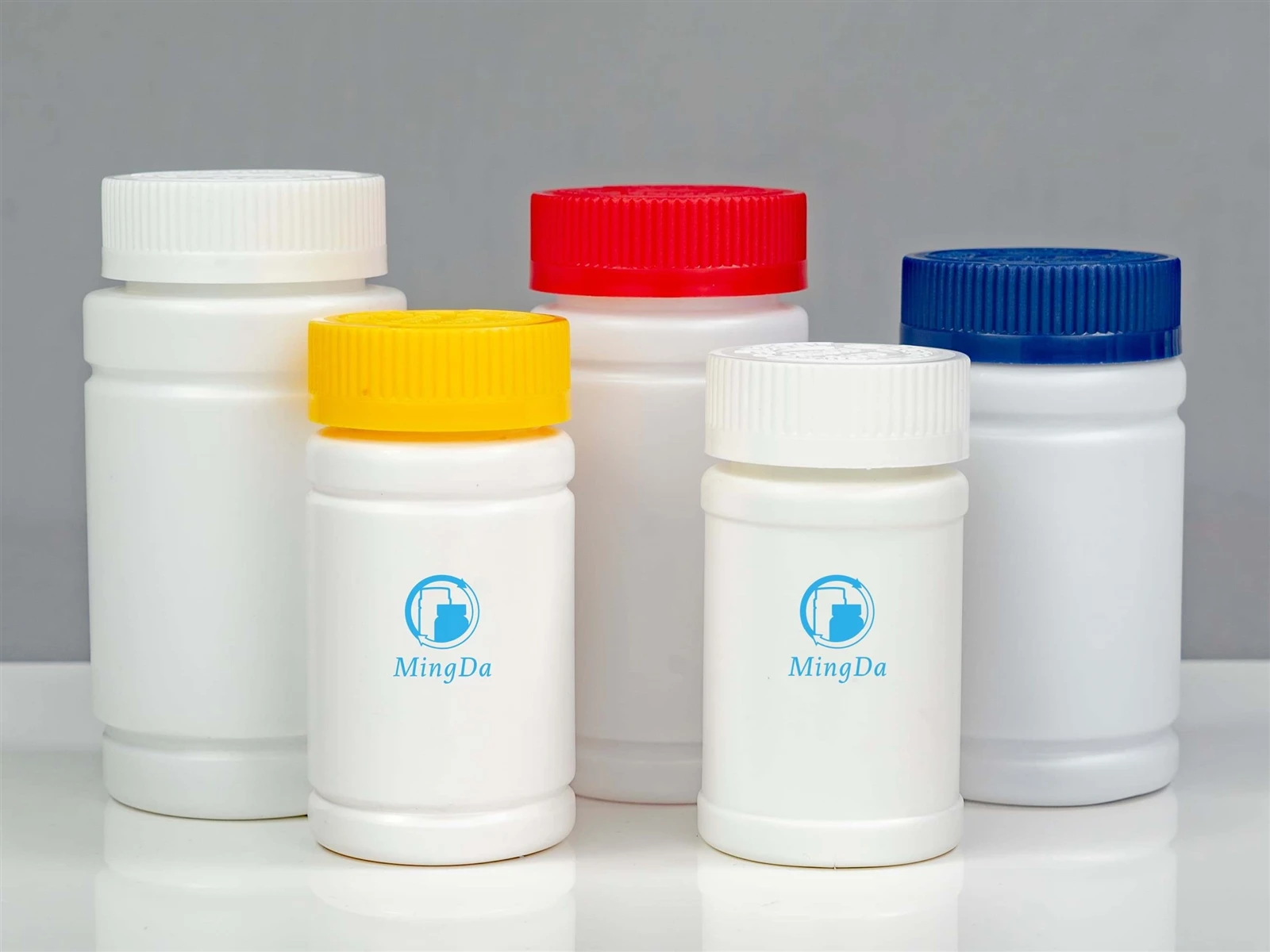
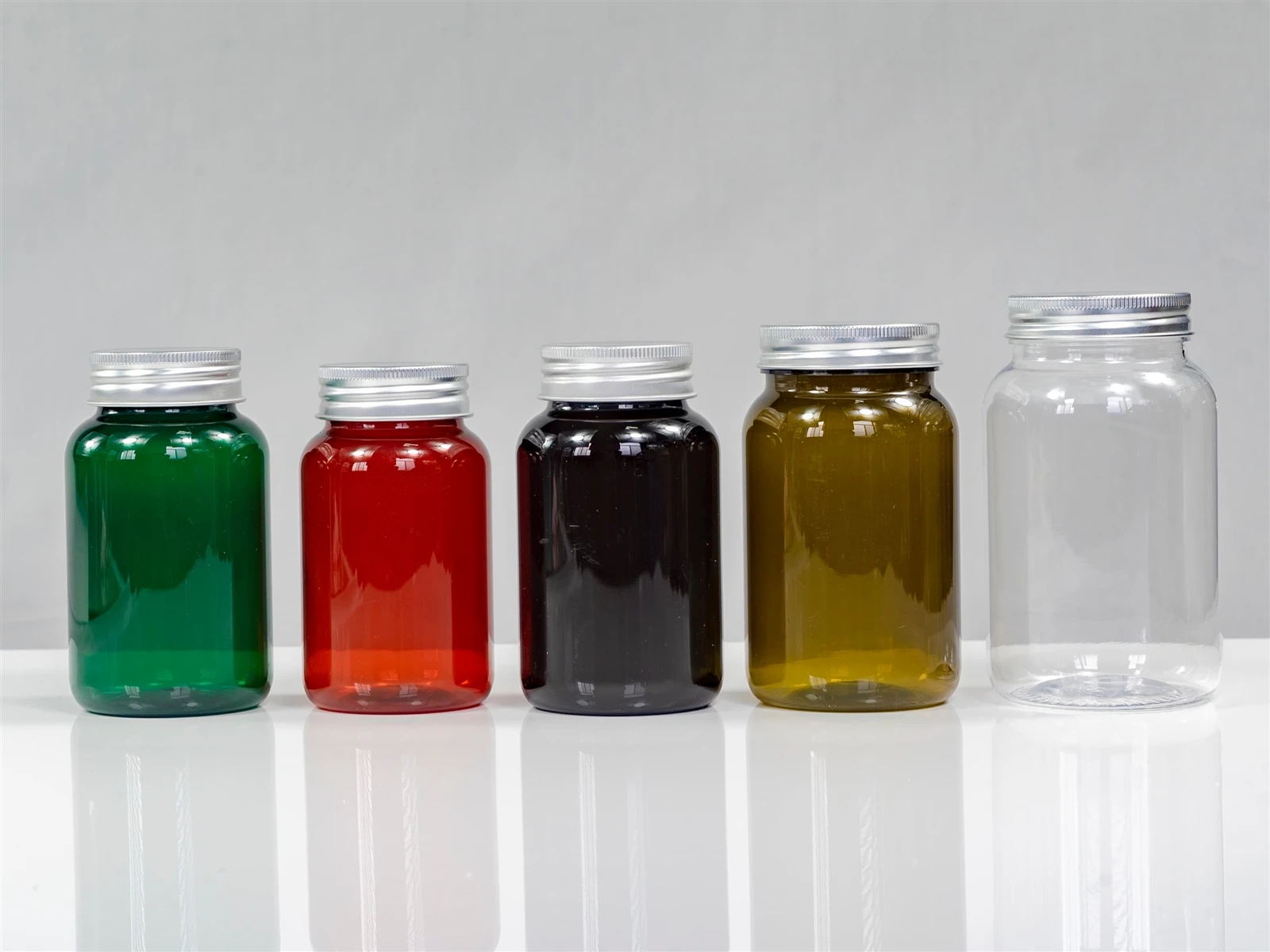
| Material | Is PET or HDPE better suited for the product formulation and intended use? |
| Bottle Capacity | Does the selected volume meet customer expectations and packaging efficiency goals? |
| Bottle Color | Should the bottle be clear, black, white, amber, or a custom color? |
| Closure Type | Is a standard screw cap sufficient, or is a tamper-evident or child-resistant closure required? |
| Sealing Method | Will the product require an induction seal, pressure-sensitive liner, or another sealing solution? |
| Decoration | Will labels, silk-screen printing, shrink sleeves, or embossing be used? |
| Packaging | Are carton sizes, pallet configuration, and shipping methods optimized for transportation? |
| Compliance | Does the packaging meet the regulatory requirements of the destination market? |
| Forecast Demand | Does the order quantity align with inventory planning and future production needs? |
Completing this checklist before contacting suppliers often results in faster quotations, clearer communication, and fewer revisions during the purchasing process.
Frequently Asked Questions
1. What should I look for when buying plastic bottles wholesale?
Beyond price, consider the bottle material, capacity, neck finish, closure compatibility, production lead time, quality control procedures, and supplier reliability. Looking at the entire packaging system helps reduce long-term sourcing risks.
2. What is the difference between PET and HDPE bottles?
PET bottles are known for their excellent clarity and are commonly used for food, beverages, supplements, and cosmetic products where product visibility is important.
HDPE bottles offer better chemical resistance and durability, making them a popular choice for pharmaceuticals, household chemicals, and industrial applications.
The best option depends on your product formulation, filling process, and storage conditions.
3. Are clear bottles always the best choice?
Not necessarily.
Clear bottles allow consumers to see the product, making them suitable for many food and supplement applications. However, products that are sensitive to light may benefit from opaque or amber packaging to provide additional protection.
4. Should bottles and caps be purchased together?
In many cases, yes.
Purchasing bottles and closures as a matched packaging system helps improve compatibility, simplifies inventory management, and reduces the risk of sealing problems during production.
5. How can I compare quotations from different suppliers?
Use the same product specifications when requesting quotations, including:
- Bottle capacity
- Material
- Color
- Neck finish
- Closure type
- Decoration requirements
- Estimated order quantity
Providing consistent information makes pricing comparisons more meaningful.
6. How important is bottle weight?
Bottle weight affects material consumption, transportation costs, and product durability.
A lighter bottle may reduce shipping expenses, while a heavier bottle may provide greater rigidity and a more premium feel. The ideal choice depends on the intended application rather than weight alone.
7. Is customization worth the additional investment?
Custom colors, printing, or bottle designs may involve additional tooling costs, but they can improve brand recognition and product differentiation.
For businesses planning long-term production, customization may provide greater value than relying solely on standard packaging.
8. How can buyers reduce procurement risks?
Some practical steps include:
- Request product samples before placing large orders.
- Confirm bottle and closure compatibility.
- Review quality control procedures.
- Verify production lead times.
- Communicate complete technical specifications.
- Plan inventory based on realistic demand forecasts.
These practices help minimize unexpected costs and production delays.
Final Thoughts
Buying plastic bottles wholesale is a strategic purchasing decision rather than simply a pricing exercise.
Successful procurement involves balancing product requirements, packaging performance, supplier capability, logistics, and long-term business goals. A bottle that performs well throughout production, transportation, and end use often delivers greater value than one chosen solely for its lower unit cost.
Whether you're sourcing 4 oz plastic bottles wholesale for dietary supplements, comparing 8 oz plastic bottles wholesale for food and personal care products, evaluating PET plastic bottles wholesale for premium product presentation, or looking for empty plastic bottles wholesale to support multiple product lines, taking the time to define your requirements and evaluate suppliers carefully can lead to more consistent results.
The most effective purchasing decisions are based on preparation, clear technical specifications, and long-term supplier relationships rather than short-term cost savings. By approaching wholesale packaging with a structured evaluation process, buyers can improve product quality, simplify procurement, and build a more reliable supply chain as their business grows.