




Why Light Exposure Matters for Protein Powder
Light, especially UV light, can degrade certain nutrients over time. Some common consequences include:
- Oxidation of vitamins and minerals, especially Vitamin A, D, and certain amino acids
- Changes in taste or smell
- Color fading or clumping, particularly for flavored or fortified protein powders
- Decreased shelf life
While not all protein powders are extremely light-sensitive, formulas with added probiotics, omega-3s, or plant-based ingredients can be more susceptible to UV damage. In these cases, a dark or opaque container helps slow degradation and preserve nutritional value.


Comparing Packaging: Dark Containers vs. Regular Plastic Bottles
| Feature | Dark/Opaque Container | Clear Plastic Bottle |
|---|---|---|
| Light Protection | Excellent (blocks UV rays) | Poor (allows UV penetration) |
| Shelf Life Extension | Helps extend shelf life | May accelerate nutrient breakdown |
| Consumer Perception | Seen as more "protective" or "premium" | More suitable for short-term use |
| Material Type | Usually HDPE or amber PET | Often clear PET |
| Recyclability | High | High |
| Printing/Branding | Supports screen printing, labels, foil stamping | Same capabilities, but may require label coverage for UV protection |
Why PET or HDPE Plastic Bottles Are Often Chosen
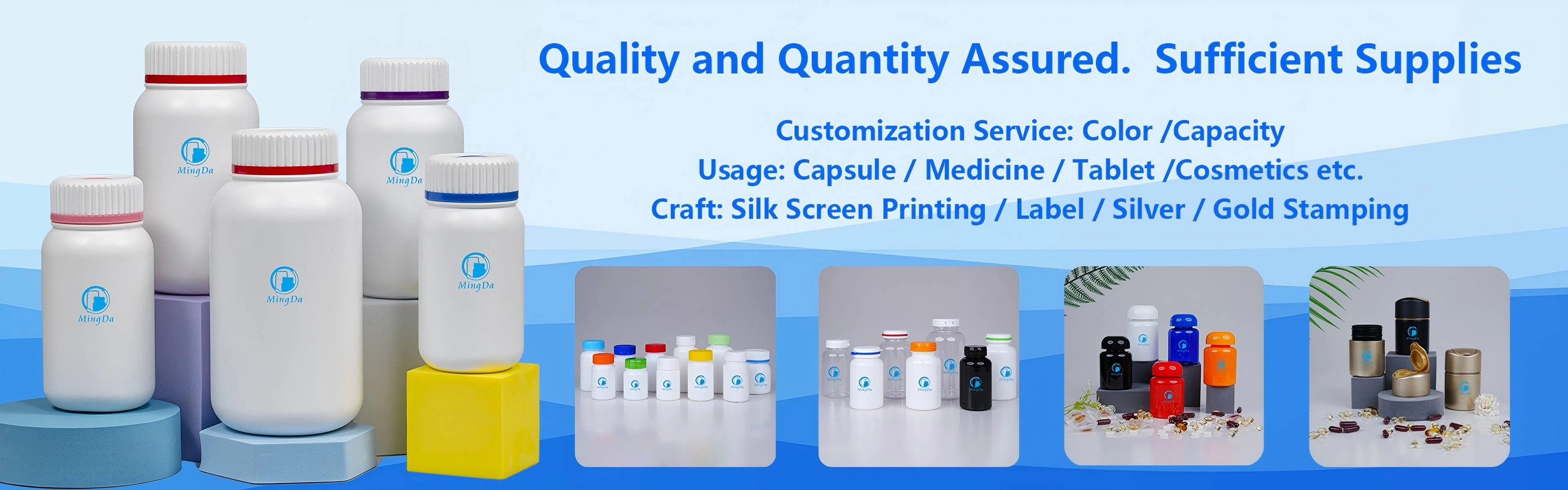
At Mingda, we manufacture a wide range of PET and HDPE plastic containers that are:
Food-grade and BPA-free
Available in white, amber, or black to block UV light
Customizable with your brand logo or label
Durable for export and transportation
Many clients opt for amber PET bottles or white HDPE jars for storing protein powder because they strike a balance between UV protection, cost efficiency, and aesthetic appeal.
Tips for Proper Storage (Regardless of Packaging)
Even if your protein powder comes in a dark container, good storage practices still matter:
- Keep it in a cool, dry place (avoid heat and humidity)
- Tightly seal after opening to prevent moisture or air exposure
- Avoid direct sunlight, even with UV-blocking packaging
- Check expiration dates regularly