

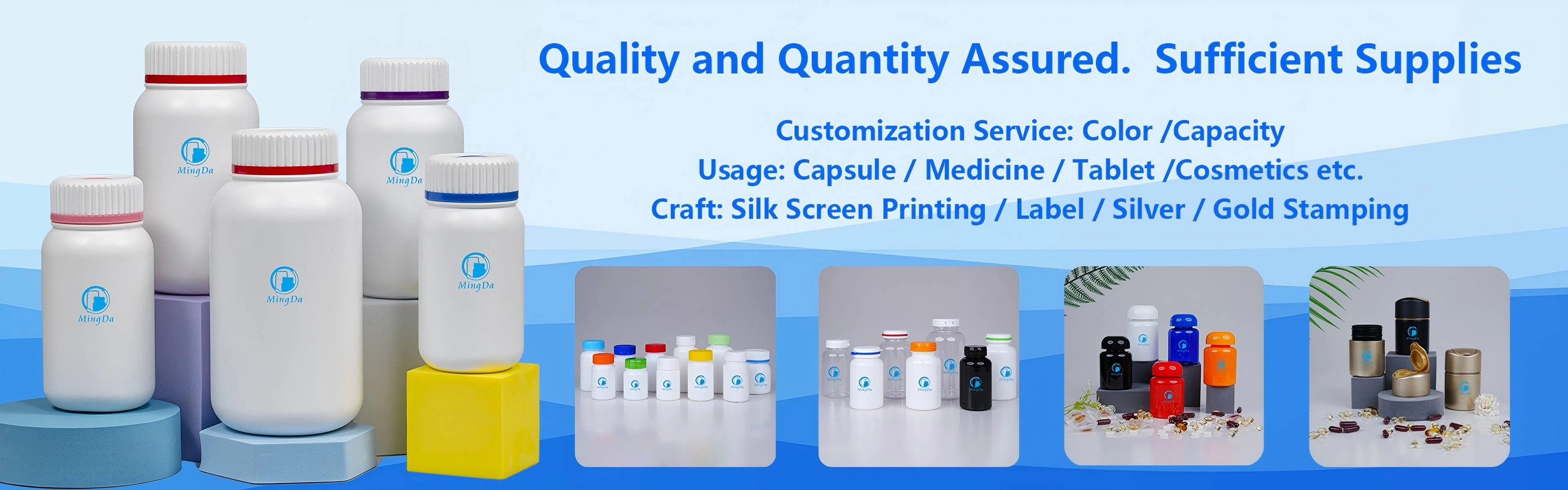




If you've ever purchased protein powder, you've likely noticed one thing: the container seems way bigger than the actual amount of powder inside. Many customers are surprised to open a large tub only to find it half full. But is this excessive packaging just a marketing trick, or are there practical reasons behind it?
Let's explore the real reasons why protein powder tubs are so large.
1. Settling During Shipping
Protein powder is finely ground and lightweight. During transport, especially across long distances or with frequent handling, the powder settles. This natural compression can make it appear that the container is less full than when originally packed. Manufacturers account for this by using larger containers to maintain an appropriate fill level even after shipping.
2. Protecting Product Integrity
Protein powders need to be protected from moisture, light, and air. A larger, rigid plastic container with extra space can better shield the powder and maintain its shelf life. Some containers include a foil seal or desiccant to further enhance protection - extra internal space can prevent crushing or damage to these components.
3. Scoop Storage and Convenience
Most protein powders come with a scoop inside, which adds to the internal volume. A tighter container would make it difficult to retrieve the scoop, especially when the product level gets low. A wider opening and larger container improve usability for daily scooping.
4. Standardized Packaging Sizes
For manufacturing efficiency, many companies use standard-sized containers across multiple product lines. Instead of customizing packaging for each net weight or flavor, they may use one or two container sizes for different quantities. This reduces production costs, speeds up packaging, and ensures consistency on retail shelves.
5. Visual Branding and Shelf Impact
While not the most scientific reason, product visibility and shelf appeal do play a role. In a competitive market, a larger container stands out more in stores and online listings. It gives a perception of value, even when the actual net weight is clearly stated on the label. However, ethical brands ensure the label reflects the actual serving quantity and weight, regardless of container size.
6. Regulatory Labeling Requirements
Food packaging regulations in many countries (like the FDA in the U.S.) require manufacturers to state both net weight and serving count clearly. As long as these are accurately displayed, the external size of the packaging is not strictly regulated, although excessive "slack fill" (empty space) may be scrutinized if it misleads consumers.