

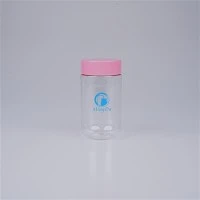
Protein powder is a common supplement for athletes, fitness enthusiasts, and individuals seeking convenient nutrition. But like all food products, it doesn't last forever. Whether you're using whey, casein, plant-based, or blended protein, knowing how to recognize spoilage can help you avoid health risks and wasted product.
In this blog, we'll explain how to tell if your protein powder has gone bad and why the type of container - especially plastic jars - plays an important role in extending shelf life.
Signs Your Protein Powder May Have Gone Bad
Unusual Smell
Fresh protein powder typically has a mild or slightly sweet aroma, depending on the flavor. If it smells sour, bitter, metallic, or moldy, it could be a sign of degradation or microbial contamination.
Change in Color or Texture
Any dark spots, clumping (unrelated to humidity), or color changes can indicate mold or chemical changes. Smooth, dry powder is the standard.
Strange Taste
A bitter, sour, or stale taste is a strong indicator that the product is no longer suitable for consumption.
Past the Expiration Date
Protein powders usually last 12–24 months when stored properly. An expired product doesn't always mean it's unsafe, but it significantly increases the risk of spoilage.
Poor Mixability
If your powder no longer blends well with water or milk and forms persistent clumps, it may be exposed to moisture or structural degradation.
Causes of Protein Powder Spoilage
Humidity & Moisture
Moisture is the primary cause of microbial growth and powder clumping.
Heat Exposure
High temperatures accelerate the breakdown of protein molecules and flavor compounds.
Light Exposure
UV rays can degrade certain ingredients, especially in natural or organic protein powders.
Oxygen
Once the seal is broken, oxidation can slowly affect flavor and nutritional value.
Why Packaging Matters: The Role of Plastic Bottles
The container you store your protein powder in has a direct impact on shelf life. Many brands choose plastic bottles for good reasons:
| Factor | Plastic Bottle (HDPE/PET) | Poor Packaging (Paper Bags, Thin Pouches) |
|---|---|---|
| Barrier to Moisture | Excellent | Poor |
| UV Protection | Good (especially colored or opaque bottles) | Very limited |
| Durability | High (resistant to breakage, ideal for transport) | Prone to tearing and puncture |
| Sealability | Secure screw caps and induction liners are available | Often resealable but less airtight |
| Reusability | Reusable and recyclable | Often single-use |
Conclusion:
Plastic containers - particularly high-quality HDPE or PET bottles with tamper-evident caps and inner foil seals - are more effective at preserving protein powder's freshness. Compared to flexible pouches or cardboard tubs, plastic bottles offer better protection against the main causes of spoilage.
Best Practices for Storage
Store protein powder in a cool, dry place (15–25°C).
Keep the lid tightly closed after each use.
Avoid direct sunlight and areas with high humidity (like bathrooms or above stoves).
If possible, transfer powder into an airtight plastic bottle after opening - especially if the original packaging is not resealable.