

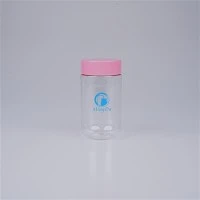
"Can I reuse this HDPE bottle?"
It's one of the most common questions I hear when discussing plastic packaging. Sometimes the bottle originally held dietary supplements. Sometimes it contained food products. Occasionally, buyers ask whether they can reuse surplus bottles from a previous production run to reduce packaging costs.
I don't think this question has a simple yes-or-no answer.
In my view, whether an HDPE bottle can be reused depends on what it contained, how it has been cleaned, whether it remains structurally sound, and what you plan to put inside next. A bottle that works perfectly for storing hardware parts may not be appropriate for packaging food or pharmaceutical products.
If you're evaluating HDPE bottles for commercial use or simply wondering whether it's safe to reuse one at home, this guide will help you make a more informed decision.
HDPE Is Durable, but Durability Isn't the Whole Story
One reason HDPE bottles are so popular is their toughness. Compared with many other rigid packaging materials, they resist impact well, don't shatter easily, and hold up during transportation.
That's exactly why so many supplement bottles, pharmaceutical bottles, and household chemical containers use HDPE.
However, durability doesn't automatically mean unlimited reuse.
A bottle can still look almost new after months of use, but the closure may no longer seal properly, the threads may wear down, or tiny scratches inside the container may make thorough cleaning more difficult. Those details often matter far more than the appearance of the bottle.
Whenever I evaluate whether a bottle can be reused, I look at its overall condition rather than the material alone.
When Reusing an HDPE Bottle Makes Sense
Not every application carries the same level of risk.
If the bottle will only store dry, non-sensitive items, reusing it is often a practical option.
Here are some common examples.
| Application | Would I Recommend Reuse? | Why |
|---|---|---|
| Dry foods such as rice or nuts | Yes | Easy to clean and low moisture exposure |
| Screws, fasteners, or small hardware | Yes | No food-contact concerns |
| Craft supplies | Yes | Durable storage solution |
| Pet treats | Sometimes | Only if the bottle is clean and odor-free |
| Dietary supplements | Caution | Depends on hygiene and packaging requirements |
| Pharmaceuticals | Generally No | Product safety standards are much stricter |
| Infant nutrition products | No | New packaging is usually the safer choice |
I think the intended use should always drive the decision. The higher the safety requirement, the more cautious I become about reuse.
Situations Where I Wouldn't Recommend Reusing an HDPE Bottle
Over the years, I've noticed that many people judge a bottle by how it looks. If it isn't cracked, they assume it's fine.
I don't see it that way.
There are several situations where replacing the bottle makes more sense than reusing it.
The Bottle Has Visible Damage
Even a small crack around the neck or thread can affect sealing performance.
For products that need moisture protection, such as tablets or capsules, a poor seal can shorten shelf life.
The Bottle Previously Contained Chemicals
I wouldn't reuse a container that previously stored industrial chemicals or strong cleaning agents for food or nutritional products.
Even if the bottle appears clean, it's difficult to know whether residue remains or whether the previous contents affected the plastic.
The Bottle Has Persistent Odors
A lingering smell usually tells me the material has absorbed some of the original contents.
For food products, that's a sign to replace the bottle instead of trying to clean it again.
The Closure No Longer Performs Well
Many buyers focus only on the bottle body, but I often pay more attention to the cap and sealing system.
If the cap no longer tightens smoothly, the liner has deteriorated, or the induction seal cannot perform properly, replacing the entire package is usually the better decision.
Good Cleaning Habits Matter Just as Much as the Bottle
If you decide to reuse an HDPE bottle, cleaning deserves more attention than most people give it.
I recommend washing the bottle thoroughly, allowing it to dry completely before refilling it, and avoiding cross-use between completely different products.
For example, I wouldn't use a bottle that once contained detergent to package coffee beans, even if the bottle looked perfectly clean.
I also suggest inspecting the bottle before every reuse.
Things I normally check include:
Is the bottle still round, or has it warped?
Does the cap tighten smoothly?
Are the threads damaged?
Is the sealing liner still intact?
Does the bottle have any unusual odor?
These simple checks only take a minute, but they can prevent much bigger problems later.
What Commercial Buyers Should Consider
If you're purchasing packaging for retail products, I believe the conversation changes completely.
Reusing bottles from previous production runs may seem like an easy way to reduce packaging costs, but the savings are often smaller than people expect.
Instead, I usually think about questions like these:
Can I guarantee the bottles meet current hygiene requirements?
Will every bottle perform consistently during filling and transportation?
Will customers notice scratches, discoloration, or cosmetic defects?
Could reused packaging affect my brand image?
For most food and pharmaceutical products, I would rather invest in new food-grade HDPE bottles than accept unnecessary quality risks.
Packaging is often one of the least expensive parts of a finished product, but it's one of the first things customers notice.
Frequently Asked Questions
Can HDPE bottles be reused?
Yes, in many situations. The decision depends on the bottle's condition, its previous contents, and how you plan to use it.
Are HDPE bottles safe for storing food?
Food-grade HDPE bottles are widely used for food packaging. If you're reusing one, make sure it's clean, undamaged, and originally intended for food contact.
How many times can an HDPE bottle be reused?
There isn't a fixed number. I focus on the bottle's condition rather than counting how many times it has been used.
Is HDPE better than PET for repeated use?
HDPE generally offers better impact resistance, while PET provides greater transparency. The better choice depends on the application rather than the material alone.
Final Thoughts
People often ask whether HDPE bottles can be reused. I think the better question is whether they should be reused for a particular application.
For organizing household items or storing dry products, reuse often makes practical sense. For supplement bottles, pharmaceutical bottles, or commercial food packaging, I believe it's worth taking a more cautious approach.
A good packaging decision isn't just about extending the life of a bottle. It's about protecting the product inside, maintaining consistent quality, and giving customers confidence in every package they receive.
In the end, I always choose the option that reduces long-term risk rather than simply lowering short-term packaging costs.