

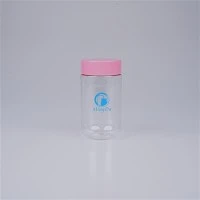
Sustainability has become a key consideration when choosing packaging. More buyers now ask about recyclability alongside product protection, cost, and appearance. One of the questions I hear most often is: Are HDPE bottles recyclable?
The short answer is yes. HDPE bottles are among the most widely recycled plastic containers in the world. You'll find them in industries ranging from food and dietary supplements to pharmaceuticals and household products.
That said, recyclability isn't as simple as checking the recycling symbol on the bottom of a bottle. The bottle's design, the materials used, and even the label can affect how easily it moves through the recycling stream.
In this article, I'll explain how HDPE packaging is recycled, why it has become a preferred option for many brands, and what I believe buyers should consider when sourcing more sustainable packaging.
Are HDPE Bottles Recyclable?
Yes. HDPE bottles are recyclable and are identified by Resin Identification Code #2, one of the most commonly accepted plastics in recycling programs worldwide.
HDPE has several characteristics that make it suitable for recycling. It is durable, chemically stable, and retains useful properties after processing, allowing the material to serve a second life in many industrial and consumer products.
This is one reason why food-grade HDPE bottles, supplement bottles, and pharmaceutical bottles remain popular choices. They combine reliable product protection with the potential to support a more circular packaging system.
Of course, local recycling programs vary by country and region. Before making sustainability claims, I always recommend confirming how HDPE packaging is collected and processed in your target market.
What Happens After an HDPE Bottle Is Recycled?
Many people assume an old bottle simply becomes another bottle. In reality, the recycling process is more complex.
After collection, HDPE bottles are sorted, cleaned, shredded into flakes, washed again, and processed into recycled plastic pellets. Manufacturers can then use these pellets to produce a wide variety of products.
Here are some common examples:
| Recycled HDPE Product | Typical Application |
|---|---|
| Plastic pallets | Warehousing and logistics |
| Drainage pipes | Construction |
| Outdoor furniture | Parks and public spaces |
| Industrial storage bins | Manufacturing facilities |
| Garden containers | Landscaping |
| Waste bins | Municipal services |
Not every recycled HDPE bottle returns to food-contact packaging. The final application depends on local regulations, material quality, and the recycling process.
Why Do So Many Brands Choose HDPE Packaging?
From my experience, buyers rarely choose HDPE packaging simply because it is recyclable. They choose it because it offers a practical combination of performance, durability, and sustainability.
Reliable Product Protection
Whether you're packaging vitamins, tablets, protein powder, or dry food, the container needs to protect the product from moisture and physical damage during transportation.
HDPE provides excellent impact resistance while remaining lightweight, helping reduce shipping costs without sacrificing durability.
Supports Sustainability Goals
Many companies have introduced environmental targets that include reducing packaging waste and improving recyclability.
Because HDPE bottles already fit into established recycling systems in many markets, they can help brands move toward these goals without changing to unfamiliar packaging materials.
Long Service Life
A durable package often creates less waste than one that breaks during shipping.
One damaged shipment can generate far more environmental impact than a package that safely reaches its destination the first time.
How Can You Improve the Recyclability of HDPE Bottles?
The material itself is only part of the equation. Packaging design also plays an important role.
Here are several practices I recommend considering during product development:
Keep the Packaging Simple
Avoid unnecessary combinations of different plastic materials whenever possible. Simpler packaging usually makes recycling easier.
Choose Labels Carefully
Large plastic labels or adhesives that are difficult to remove may reduce recycling efficiency. Labels designed for recycling compatibility can improve the process.
Match the Closure System
Bottle caps, liners, and seals should complement the recycling strategy whenever practical. Looking at the complete packaging system often delivers better sustainability results than focusing only on the bottle.
Include Recycling Information
Clear recycling symbols and disposal instructions can help consumers recycle packaging correctly, especially in regions with established recycling programs.
What Should Buyers Look for When Sourcing Sustainable HDPE Bottles?
Environmental claims have become common in the packaging industry. I prefer looking beyond marketing language and asking practical questions.
Ask About Raw Materials
Does the supplier use virgin HDPE, recycled content, or offer PCR (Post-Consumer Recycled) materials?
Understanding the material helps you evaluate whether it matches your sustainability objectives.
Review Manufacturing Standards
Consistent quality remains essential, even for environmentally friendly packaging.
Reliable manufacturers should maintain stable production processes and documented quality control procedures.
Consider Lightweight Design
A lighter bottle can reduce plastic consumption and transportation emissions without compromising performance, provided the design still meets your product requirements.
Evaluate Long-Term Supply Stability
Sustainable packaging only creates value if suppliers can consistently deliver the same quality over time.
For many buyers, dependable supply becomes just as important as environmental performance.
Frequently Asked Questions
Can all HDPE bottles be recycled?
Most HDPE bottles are recyclable, but local recycling rules differ. Always check the recycling guidelines in your target market.
Is HDPE more recyclable than PET?
Both materials have mature recycling systems in many countries. The better choice depends on your product, packaging design, and regional recycling infrastructure.
Can recycled HDPE be used for food packaging?
In some markets, recycled HDPE may return to food-contact applications under specific regulatory requirements. In many cases, recycled material is used for non-food products instead.
What is PCR HDPE?
PCR stands for Post-Consumer Recycled material. It comes from plastic products that consumers have already used and recycled. Many brands use PCR content to reduce their reliance on virgin plastic.
Does recyclable packaging automatically make a product sustainable?
Not necessarily. Sustainability depends on multiple factors, including material selection, package design, transportation efficiency, manufacturing practices, and whether consumers can actually recycle the packaging.
Final Thoughts
I see HDPE bottles as one of the most practical packaging solutions available today because they combine durability, product protection, and strong recycling potential.
If sustainability is part of your purchasing strategy, don't stop at asking whether a bottle is recyclable. Look at the entire packaging system, including the raw materials, bottle design, closures, manufacturing standards, and your supplier's long-term capabilities.
The right HDPE packaging should do more than protect your product. It should also support your sustainability goals, strengthen your brand, and perform consistently throughout the entire supply chain.