

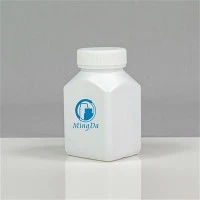
Nowadays, consumers are not only concerned with the nutrition, taste, hygiene, and convenience of food, but food packaging safety is becoming increasingly important. Good food packaging not only enhances the appearance and value of the product, but more importantly, it ensures public health and safety.
The main types of plastic packaging materials available on the market are: Food-grade, Pharmaceutical-grade, and Industrial-grade plastics.
- How do we choose products that meet the required standards?
- What should we pay attention to during use?
1. Understanding Plastic Recycling Symbols and Materials
The plastic recycling symbol is a triangle typically found at the bottom of plastic containers. Inside the triangle, there is a number from 1 to 7, each representing a different type of material. If a product is made from multiple materials, the label will indicate the primary material.
2. Different Materials Have Different Usage Conditions
01. PET/PETE (Polyethylene Terephthalate)
Common Uses: Bottled water, mineral water bottles, carbonated drink bottles, etc.
Common Misuse: Using plastic bottles for hot tea or refilling with cooking oil after use.
Usage Tips: PET is not suitable for high-temperature liquids or reheating, as it may deform and release a carcinogenic substance called DEHP after about 10 months of use. High temperatures speed up this process. PET bottles are best for cold or warm beverages, and should be disposed of after use. Do not reuse them for storing other substances like alcohol or oil, and avoid placing them in direct sunlight or heating them in cars.
02. HDPE/PE-HD (High-Density Polyethylene)
Common Uses: Yogurt bottles, chewing gum bottles, cleaning products, bath products, medicine bottles, etc.
Common Misuse: Reusing bottles without cleaning them properly.
Usage Tips: HDPE is difficult to clean and may leave residues. It is best not to reuse. This material can withstand temperatures up to 110°C and is commonly used in food-grade plastic bags. However, it is not recommended for use as a water container.
03. PVC/V (Polyvinyl Chloride)
Common Uses: Non-food applications like water pipes, raincoats, plastic bags, building materials, etc.
Common Misuse: Using plastic bags for storing fried food (e.g., fried dough sticks).
Usage Tips: PVC can produce two harmful substances: unpolymerized vinyl chloride during production and harmful additives in plasticizers. It should be kept away from high temperatures, especially in contact with oils, as harmful substances can leach out and contaminate food.
04. LDPE/PE-LD (Low-Density Polyethylene)
Common Uses: Cling film, plastic bags, etc.
Common Misuse: Wrapping burgers with cling film and heating them.
Usage Tips: LDPE has poor heat resistance, and when exposed to temperatures over 110°C, it may melt. Cling film can dissolve harmful substances when in contact with oils, which can lead to health issues such as breast cancer or birth defects when ingested. It is best not to use cling film to wrap food, especially oily foods, before heating.
05. PP (Polypropylene)
Common Uses: Microwave meal boxes (e.g., food storage boxes), soy milk bottles, yogurt bottles, juice bottles, cups, straws, etc.
Common Misuse: Using non-labeled food containers in the microwave.
Usage Tips: PP is generally safe, but avoid containers with coloring agents. Choose colorless products when possible. PP is the only plastic safe for microwave use. However, be cautious when using containers where the body is made from PP (number 05) but the lid is made from PS (polystyrene, number 06), which cannot withstand high temperatures. Always remove the lid before microwaving.
06. PS (Polystyrene)
Common Uses: Instant noodle cups, foam fast food containers, self-service trays, etc.
Common Misuse: Reusing instant noodle cups.
Usage Tips: Avoid using PS for hot foods or heating in the microwave, as it can release harmful carcinogenic substances when exposed to heat or acidic/alkaline substances.
07. OTHER (Other Plastics)
Common Uses: Water bottles, mineral water containers, etc.
Common Misuse: Not checking labels when buying baby bottles.
Usage Tips: Some plastic materials, such as polycarbonate (PC), contain bisphenol A (BPA), which is toxic. If BPA has not fully converted into plastic during production, it can leach out when exposed to heat. PC bottles should never be used for hot liquids, as BPA can be released. For safety, avoid using baby products labeled with PC, and also avoid PSF-labeled baby bottles, as they may also contain BPA.