

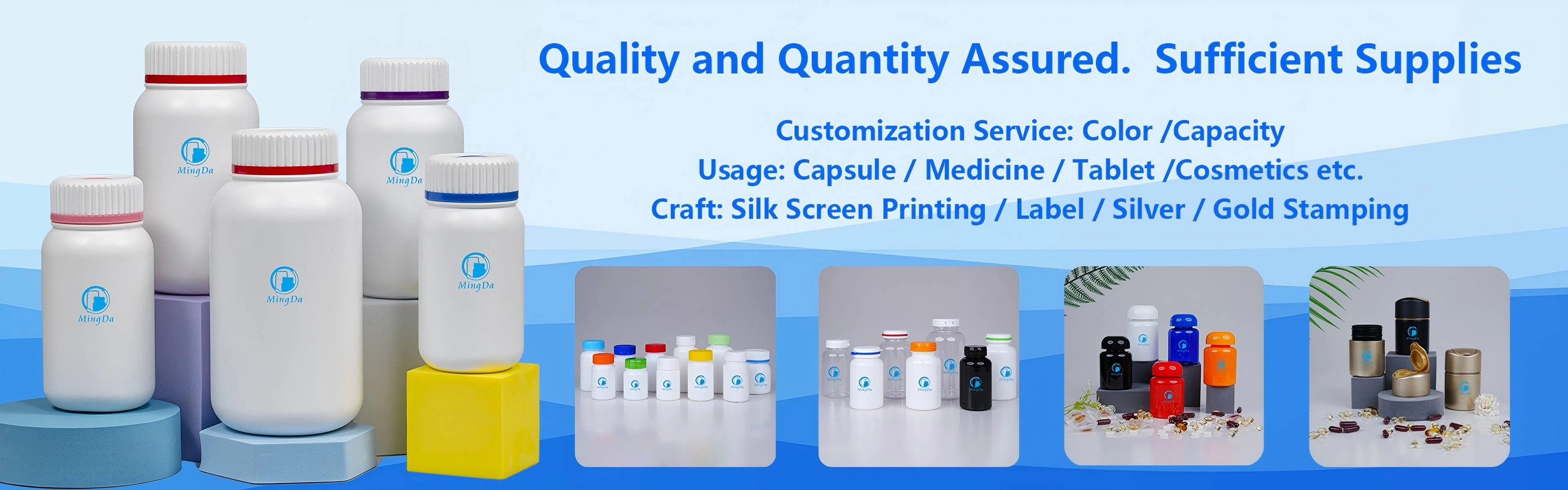

A 12-year-old girl in Dubai developed cancer after using the same mineral water bottle for 16 months in a row. Mineral water bottles typically contain a type of plastic called polyethylene terephthalate (PET), which is made from a combination of terephthalic acid and ethylene glycol. PET plastic is lightweight, transparent, impact-resistant, and less prone to breaking, making it suitable for packaging, especially for water and drinks. Some scholars believe that PET contains a potential carcinogen called diethylhydroxylamine (DEHA). It is safe to use a PET bottle once, but if you reuse it repeatedly for convenience or frugality, you may be exposing yourself to cancer risks. Therefore, PET bottles used for medicinal purposes should not be made from recycled plastics, as this could pose serious health risks.
There is a number at the bottom of every plastic bottle. (It is a triangle with arrows and a number inside.) If the number is 05 or higher, the bottle can be reused. The higher the number, the safer it is. If the number is below 05 (such as 04 or lower), or if there is no number, do not reuse or heat the bottle.
- Typical mineral water bottles usually have the number 1 on the bottom (so avoid leaving them in your car under direct sunlight!)
- Plastic heat-resistant bowls commonly used for street food typically have the number 5 on the bottom.
- Plastic heat-resistant cups for tea commonly have the number 5 on the bottom.
- Yogurt bottles typically have the number 2 on the bottom.
PET (Polyethylene Terephthalate)
PET was initially used for making synthetic fibers, films, and magnetic tapes, and only in 1976 was it introduced for beverage bottles. PET, commonly known as "plastic bottles" or "PET bottles," is lightweight, durable, and has excellent hardness and toughness. It is also energy-efficient to produce, does not allow gas to escape, and is resistant to acid and alkaline, making it ideal for carbonated drinks. In recent years, PET has become the main material used for packaging carbonated drinks, tea, juice, bottled water, alcoholic beverages, soy sauce, and products like cleaning agents, shampoos, food oils, condiments, sweets, cosmetics, and medicines.
PE (Polyethylene)
PE is one of the most widely used plastics in industry and daily life, and is typically classified into high-density polyethylene (HDPE) and low-density polyethylene (LDPE). PE is highly resistant to both acids and alkalis. HDPE has a higher melting point, greater hardness, and better resistance to corrosive liquids compared to LDPE. Most plastic bags and translucent or opaque plastic bottles you see in daily life are made from PE, such as bottles for cleaning agents, shampoos, bath gels, cooking oils, pesticides, and more.
PP (Polypropylene)
PP and PE are similar, but PP generally has superior physical and mechanical properties. Bottle manufacturers often use PE for the body of the bottle and PP for the cap and handles, as PP has higher hardness and strength. PP has a high melting point of up to 167°C, making it heat-resistant and suitable for steam sterilization. PP bottles are commonly used for soy milk, rice milk, 100% fruit juice, yogurt, fruit beverages, dairy products (like pudding), as well as larger containers like buckets, trash bins, laundry tubs, baskets, and more. It is also widely used in disposable tableware or cups, especially for fast-food chains like "Quickly" for serving ice cream or drinks. PP containers are usually opaque or semi-transparent, with excellent resistance to acid and alkali, chemicals, impact, and high temperatures (from 20°C to 120°C).