

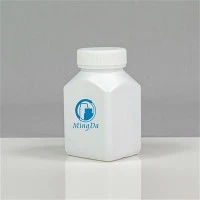
In daily life, nutritional supplements have become key partners in maintaining good health for many people. However, one important issue is often overlooked: how to choose the right storage container to protect the effectiveness and quality of these supplements. If you've ever seen a variety of plastic bottles at a supermarket or pharmacy, you might be confused about which type to choose for storing your vitamins, minerals, or other health supplements.
Today, let's discuss how to choose the right plastic bottles for storing nutritional supplements at home.
1. Choosing the Right Plastic Material: HDPE, PET, or PP-Which One is Best?
When selecting plastic bottles, the first thing to focus on is the material. The most common plastic bottle materials are HDPE (High-Density Polyethylene), PET (Polyethylene Terephthalate), and PP (Polypropylene). Each has its own characteristics, making it suitable for different storage needs.
- PET Bottles (Polyester Bottles)
Advantages: PET bottles are highly transparent, which allows you to clearly see the contents inside. They have good airtight properties, helping to keep out air and extend the shelf life of the supplements.
Best For: Ideal for storing powdered and liquid supplements (such as vitamin tablets, mineral supplements, etc.), and they make it easy to check the remaining amount.
Cautions: PET bottles are not suitable for high-temperature environments, so avoid placing them in hot or sunlit areas.
- HDPE Bottles (High-Density Polyethylene Bottles)
Advantages: HDPE bottles are durable and tough, making them perfect for everyday use. They effectively block moisture and external contaminants, keeping supplements dry and clean.
Best For: Best for storing health products, especially powdered or granular supplements.
Cautions: While HDPE bottles are durable, they are less transparent than PET bottles, which makes it harder to monitor the contents inside.
- PP Bottles (Polypropylene Bottles)
Advantages: PP bottles are heat-resistant, chemical-resistant, and suitable for microwave heating. They also have good pressure resistance.
Best For: Suitable for storing certain types of supplements (e.g., liquid supplements that need to be heated).
Cautions: PP bottles are generally less transparent than PET bottles, so they may not be the best for display purposes.
2. Sealability and Moisture Protection
Nutritional supplements, especially vitamins and minerals, are highly sensitive to moisture, air, and sunlight. Choosing a plastic bottle with good sealability can effectively prevent air and moisture from entering, helping to preserve the freshness of the supplements.
Screw Cap Design: Look for bottles with a tightly sealed screw cap. The better the seal, the longer the nutritional ingredients will remain intact.
Moisture Protection: Some plastic bottles come with moisture-absorbing agents or use special designs to ensure the interior remains dry. This is particularly important for powdered or granular supplements.
3. Consider the Capacity and Shape
When choosing the capacity of the bottle, think about the family's usage needs. Nutritional supplements come in different sizes, and some families may use larger quantities while others may only need smaller amounts.
Capacity Choice: For larger families, consider bottles with bigger capacities (500ml, 1000ml, etc.). For single-person households or occasional use, smaller bottles (100ml, 200ml, etc.) may be more suitable.
Bottle Design: The design should be comfortable to hold and easy to pour, avoiding designs that are too heavy or difficult to manage in daily use.
4. Material Safety and Environmental Impact
As environmental awareness increases, more people are considering the recyclability and safety of the plastic bottles they choose. Opting for plastic bottles that meet international standards not only helps protect the environment but also ensures that the nutritional supplements are stored safely.
Food-Grade Materials: Make sure the plastic bottle is labeled as "food-grade" to avoid harmful chemicals such as BPA.
Recyclability: Check the recycling symbol on the bottle to ensure it can be recycled, reducing the environmental impact.
5. Decoration and Design
While functionality and safety should be the main priorities when selecting a storage container, a well-designed, aesthetically pleasing plastic bottle with a harmonious color scheme can make the supplements look more attractive. If you have multiple types of supplements, choosing bottles with clear color coding or labeling will help you easily identify and organize them.
Conclusion
Choosing the right plastic bottle for storing nutritional supplements at home involves considering factors like material, sealability, capacity, safety, environmental impact, and design. By understanding the characteristics of different plastic bottles, you can select the best storage container to meet your family's needs and ensure that your supplements remain safe and effective for longer.
Remember, the way you store your nutritional supplements directly impacts their quality and effectiveness. Choosing the right plastic bottle not only helps extend their shelf life but also makes daily use more convenient.