

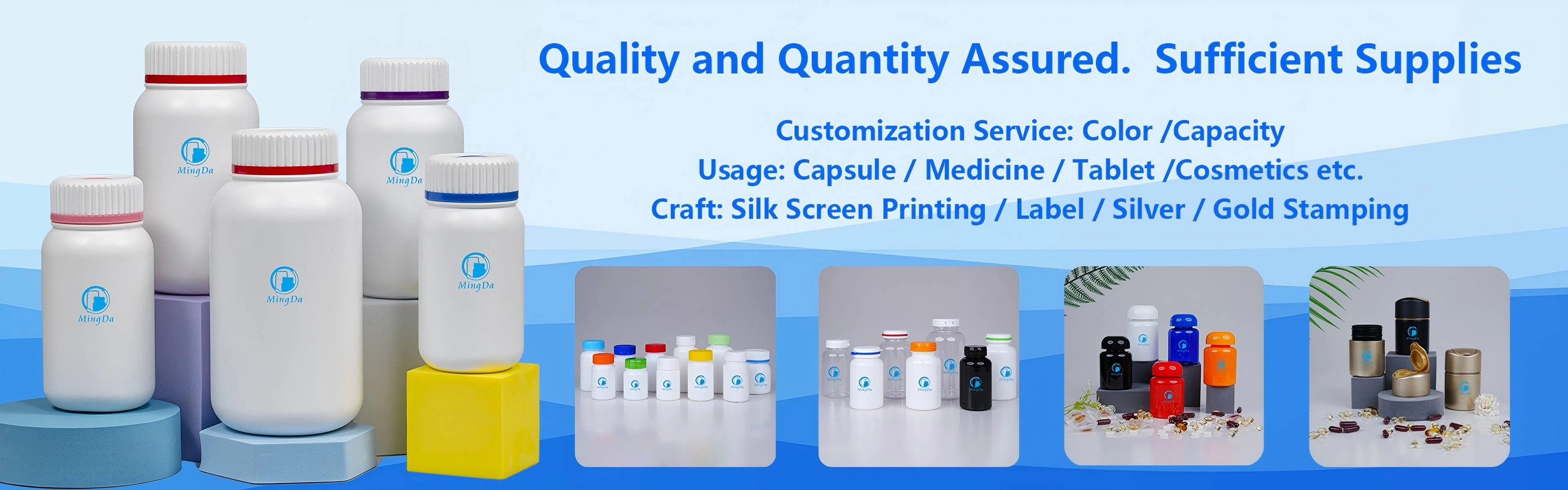


Choosing the right plastic bottle for pharmaceutical products isn't just a packaging decision-it's a safety decision, a compliance responsibility, and a key part of product integrity. As regulations tighten and consumers expect higher standards, pharmaceutical brands need packaging that can reliably protect their formulations while supporting efficient production and long-term storage. A well-selected bottle reduces contamination risks, prevents moisture or oxygen exposure, and helps ensure your product performs exactly as intended from the first dose to the last.
1. Material Type (HDPE vs PET)
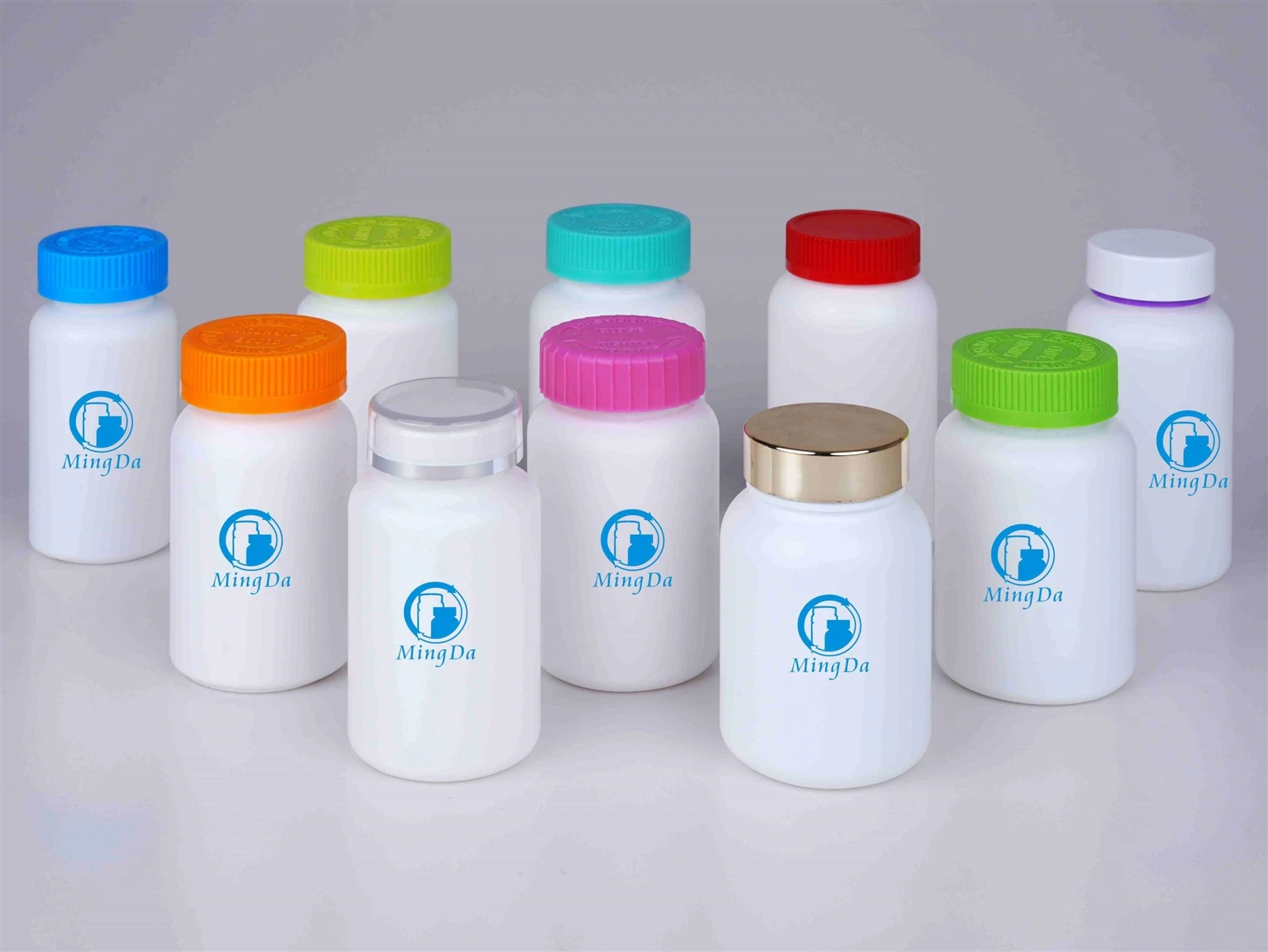
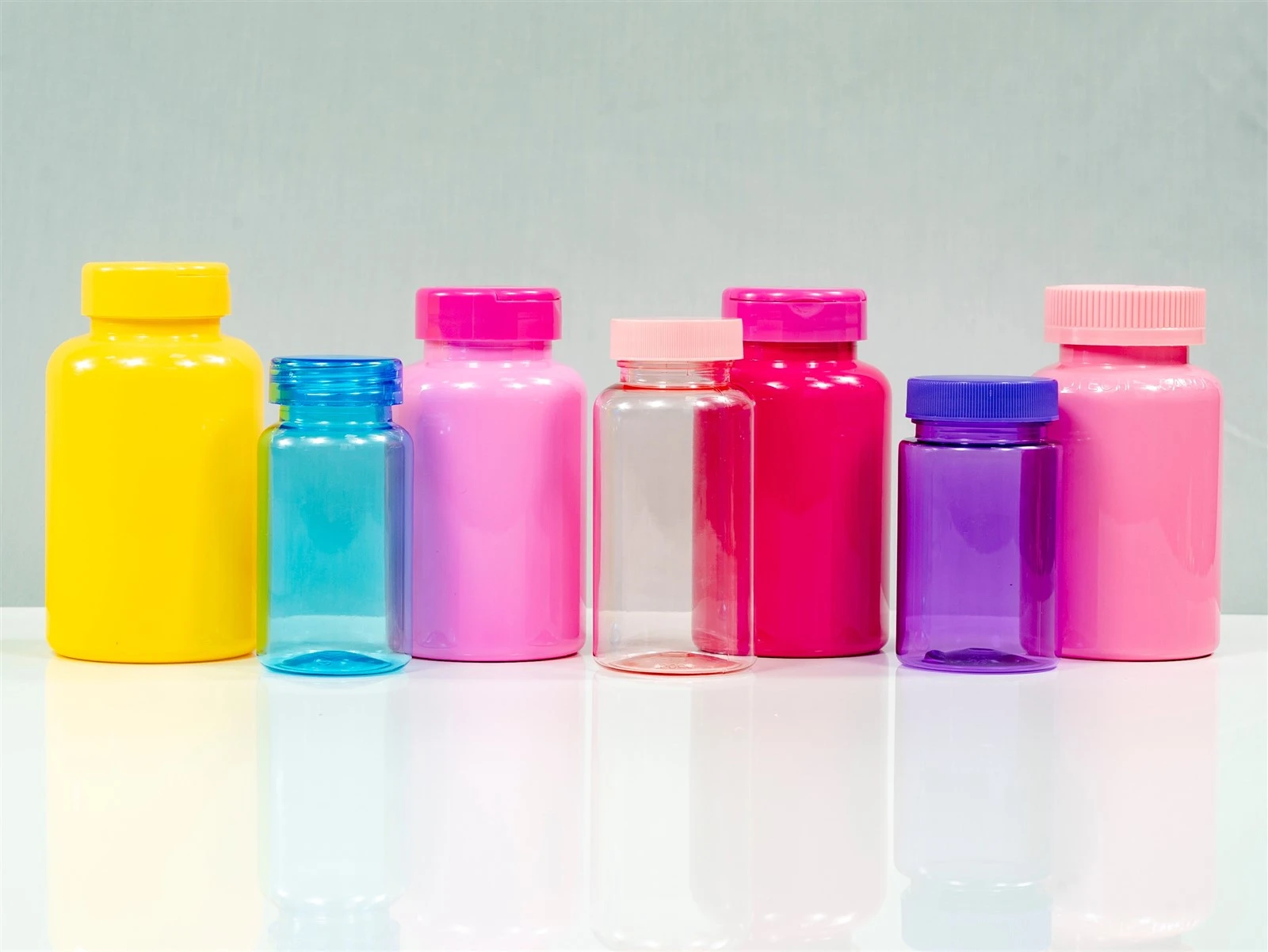
Choosing the right material is one of the most important decisions you'll make, because the material directly affects product protection, stability, shelf life, and regulatory compliance.
HDPE bottles provide excellent resistance to chemicals, temperature shifts, and impact, making them a strong choice for tablets, capsules, powders, and moisture-sensitive products. These bottles block light effectively and offer a more protective environment when formulas need to stay away from UV exposure.
PET bottles, on the other hand, are ideal when you need clarity and shelf appeal, as they offer a bright, glossy finish and high transparency. Their strong barrier properties against oxygen and moisture make them suitable for nutraceuticals, coated tablets, and visually appealing formulations.
In short: HDPE protects. PET displays.
2. Transparency & Appearance
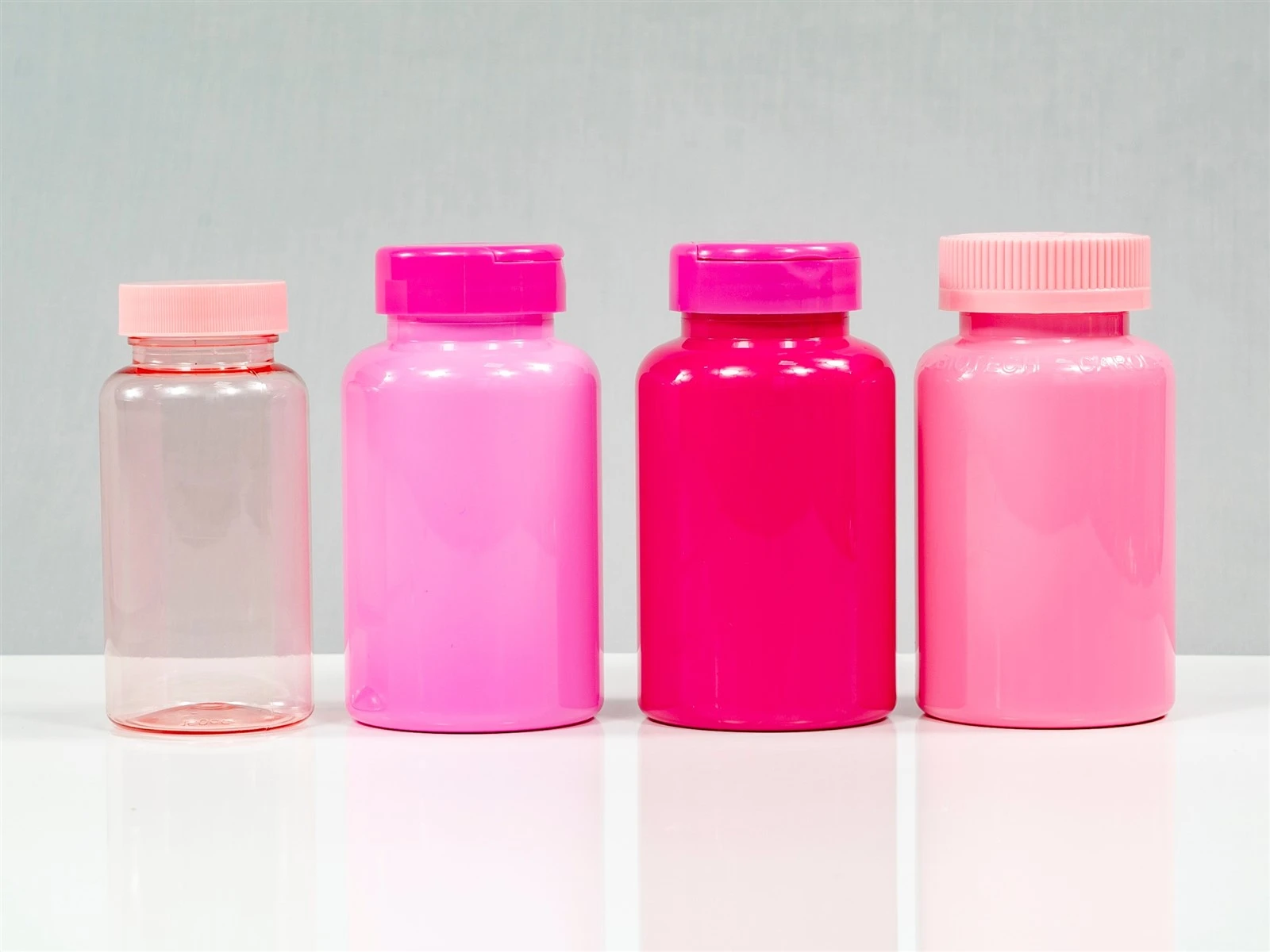
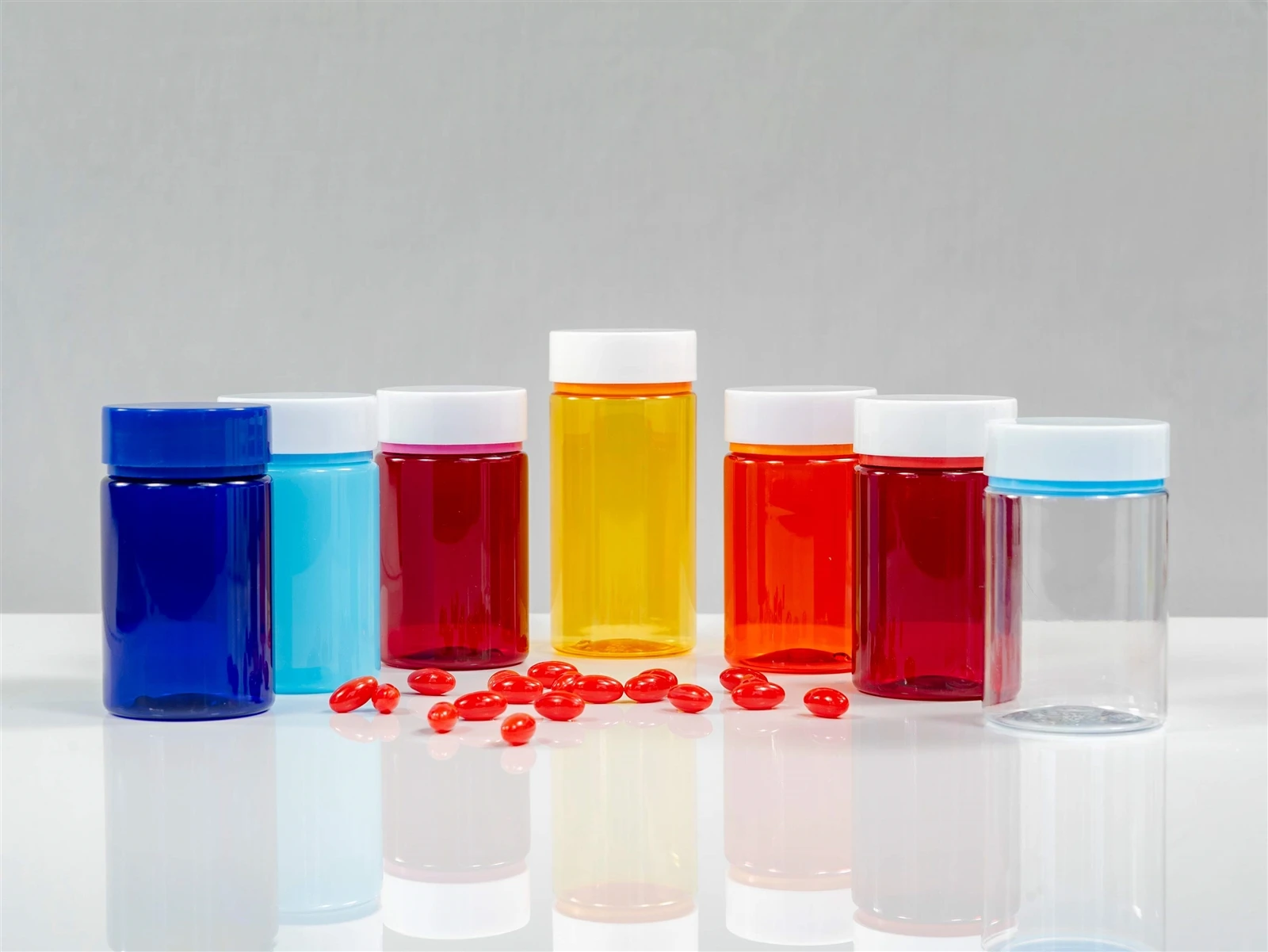
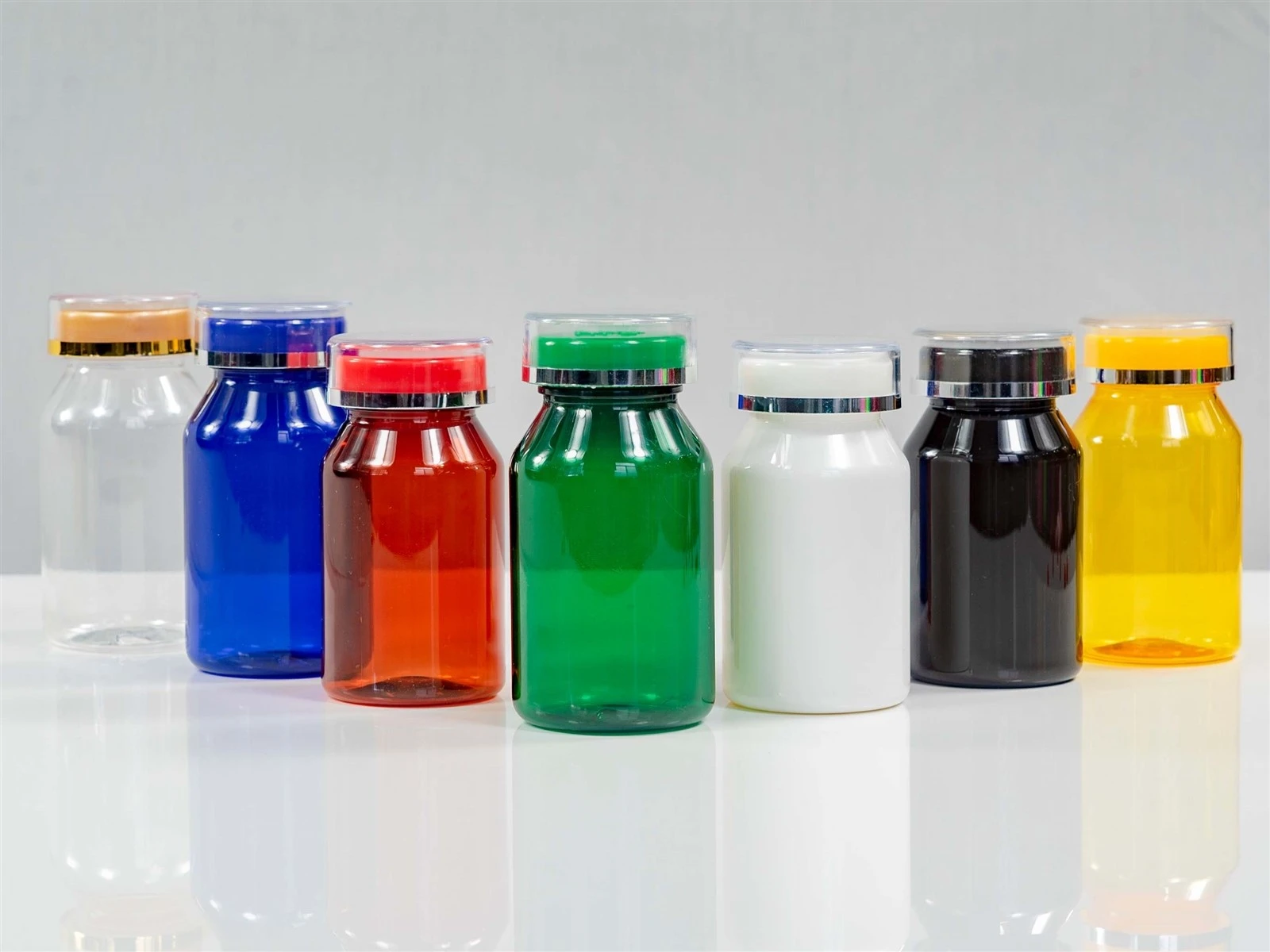
If your product depends on consumer trust, visual clarity can make a real difference. PET bottles allow customers to see the contents easily, which helps with usage monitoring and enhances perceived quality.
For formulas that are sensitive to light or require strict protection, an opaque or tinted HDPE bottle helps maintain stability by blocking UV exposure and minimizing degradation risks.
While appearance may seem secondary, packaging aesthetics often influence value perception, especially in premium nutraceutical or pharmaceutical lines.
3. Safety Certifications & Compliance
When it comes to pharmaceutical packaging, certifications aren't optional-they're essential.
Look for bottles that meet FDA standards or adhere to international quality systems, such as ISO 9001, ISO 22000, or similar regulatory frameworks. These certifications help ensure the resin is food-grade, stable, and free from harmful leachables that could affect the medicine.
A reliable supplier should also conduct routine tests, such as microbial testing, sealing tests, torque testing, and material analysis, to ensure that every batch meets consistent safety levels.






4. Capacity & Specifications
Packaging that fits your product-and your production line-will save you significant time and cost.
Different medicines require different fill volumes, and choosing the right bottle size ensures proper tablet count, accurate dosing ranges, and smooth compatibility with your labeling or automated filling equipment.
Details such as neck finish, wall thickness, and cap pairing are equally important because they affect sealing strength, user experience, and long-term storage stability.
5. Recycling & Sustainability
Sustainability is no longer optional for modern brands.
HDPE and PET are both widely recyclable, but the environmental impact also depends on the manufacturing process, the amount of recycled content used, and whether the supplier runs an energy-efficient production line.
Choosing eco-friendly packaging doesn't just help the planet-it strengthens your brand story and aligns your product with global sustainability expectations.
Detailed Breakdown of Each Factor
1. Key Details to Pay Attention To
The small features matter more than you think. Bottle wall thickness, cap engagement strength, seal-lining type, and the compatibility between the resin and your formula all contribute to long-term stability. Even minor mismatches can result in moisture ingress, product softening, or reduced shelf life.
2. Testing Recommendations
Before finalizing your packaging, request drops tests, sealing tests, chemical compatibility tests, and torque evaluations. For light-sensitive or moisture-sensitive formulas, you may also run accelerated shelf-life testing to confirm long-term stability.
3. Common Mistakes to Avoid
One of the most common mistakes is assuming all plastic bottles perform the same. Others overlook sealing performance, cap/bottle fit, or regulatory compliance until production issues arise. Selecting based solely on price often leads to bigger losses later.
Brand & Supplier Selection
1. Customization Capability
A capable supplier should offer custom molds, multiple cap styles, printing options, labeling services, and flexible packaging solutions for different pharmaceutical categories. Good customization often leads to better branding and smoother production workflows.
2. Sampling Support
Always ask for samples before mass production. A reliable supplier should provide samples for compatibility checks, appearance approval, and line tests to ensure bottle dimensions match your equipment and quality expectations.
3. Quality Assurance
Look for suppliers equipped with internal labs, standardized inspection procedures, and complete quality documentation. Consistent testing-such as microbiological checks, sealing verification, and material analysis-reflects a supplier's commitment to safety and reliability.



Conclusion & Practical Suggestions
1. Match Your Budget to Real Needs
High-quality bottles may cost slightly more, but they reduce product risk, protect your formula, and often save money in the long run. Choosing the right material and structure is far more important than choosing the lowest price.
2. Ensure Long-Term Supply Stability
Consistency matters in pharmaceutical packaging. Choose a supplier with stable capacity, strong production scalability, and a proven track record in delivering consistent quality across multiple batches.
3. Keep Up With Sustainability Trends
More regions now regulate sustainability standards for pharmaceutical packaging. By choosing recyclable materials and eco-focused suppliers, you align your products with future market expectations and brand responsibility.