

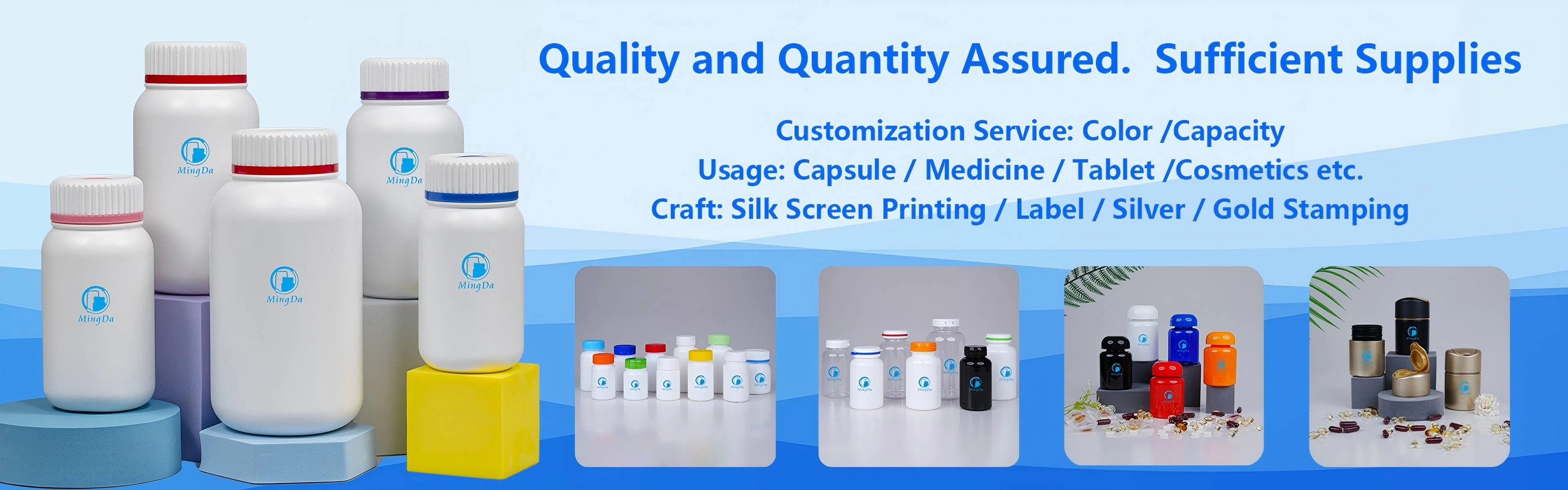


PET (polyethylene terephthalate) plastic bottles are widely used in packaging for beverages, health supplements, and personal care products due to their excellent physical properties, chemical stability, and versatility. They are particularly suitable for packaging health supplements such as capsules, tablets, softgels, and coated tablets, ensuring the safety, hygiene, and stability of the contents. Similarly, PETG material offers higher transparency and impact resistance, making it ideal for premium products or packaging that requires extra durability.
Key Advantages of PET Bottles
1. High Transparency
PET bottles have a light transmittance of approximately 88%-92% with a glossy surface, allowing clear visibility of the contents. This not only enhances the product's visual appeal but also allows consumers to inspect the product quality, building trust in the brand. PETG bottles have slightly higher transparency and superior impact resistance, suitable for high-end products or packaging exposed to challenging transportation conditions.


2. Lightweight
PET bottles have a density of about 1.38 g/cm³, making them 30%-50% lighter than glass bottles. For example, a 500 ml PET water bottle weighs around 20 grams, whereas a glass bottle of the same capacity can weigh over 200 grams. The lightweight design not only makes it easier for consumers to carry but also significantly reduces shipping costs and carbon emissions during transportation.
3. Excellent Gas and Water Vapor Barrier
PET bottles provide good resistance to oxygen and water vapor:
- Oxygen Transmission Rate (OTR): approximately 2.0 cm³·mm/(m²·day·atm)
- Water Vapor Transmission Rate (WVTR): approximately 0.38 g·mm/(m²·day) at 23°C and 85% relative humidity
These barrier properties help extend the shelf life of beverages and health supplements by preventing oxidation, moisture absorption, and flavor loss. PETG bottles have slightly lower barrier properties but offer greater mechanical toughness, making them suitable for more demanding transport conditions.


4. Chemical Stability
PET bottles have excellent chemical resistance and can withstand exposure to common acids, bases, and alcohols without reacting with the contents. They have low overall migration and minimal leachable substances, meeting safety requirements for food and pharmaceutical packaging, which makes them ideal for supplements, beverages, and personal care products.
5. Customization Options
Both PET and PETG bottles can be produced in a variety of transparent or semi-transparent colors and support surface treatments such as silk screen printing, UV coating, electroplating, and spraying. This allows brands to create distinctive packaging designs and increase the product's added value.
Common Applications
1. Beverages and Water
PET bottles are widely used for water, juices, carbonated drinks, and functional beverages. Their high transparency, lightweight nature, and resistance to breakage ensure safe transport and appealing retail presentation.


2. Health Supplement Packaging
PET bottles are particularly suited for the health supplement industry, including softgels, hard capsules, vitamins, coated tablets, and powders. Key advantages include:
- High airtightness and water vapor resistance
- Excellent chemical stability with low overall migration
- Minimal leachable substances, ensuring active ingredient safety
- Availability in multiple transparent or semi-transparent colors for brand differentiation
PETG bottles are also increasingly used for supplements due to their higher toughness and transparency, suitable for products that may experience impact or compression during shipping.
3. Personal Care Products
PET and PETG bottles are commonly used for shampoos, conditioners, lotions, and liquid soaps. Their lightweight, impact-resistant, and transparent properties make the packaging safe, durable, and visually appealing.
4. Other Applications
PET bottles are also used in packaging chemical reagents, condiments, liquid foods, and snacks due to their barrier properties, chemical stability, and customization options, meeting the needs of multiple industries.
Sustainability
1. rPET Recycling
PET bottles can be collected and recycled into rPET (recycled PET) for new bottles or other plastic products, reducing waste and conserving resources. Many brands are increasing rPET content to meet environmental requirements while lowering production costs.
2. Energy-Efficient Transportation
The lightweight design of PET bottles significantly reduces shipping energy consumption and carbon emissions. Compared to glass bottles of the same capacity, transporting one ton of PET bottles can save approximately 60%-70% of fuel.
3. Consumer Awareness
Environmentally conscious consumers tend to prefer PET bottles labeled as recyclable or made with rPET. Highlighting recycling and eco-friendly features can enhance brand image and attract environmentally minded buyers.
Purchasing Tips
1. Material Identification
Check the resin identification code on the bottle (PET as "1," PETG labeled as "PETG" or "1") to ensure the material meets recycling and usage standards.
2. Certification
Prioritize products with FDA food-contact approval, ISO quality management certifications, or other relevant standards to ensure safety and reliability, especially for food and health supplement packaging.

3. Brand and Supplier Comparison
When choosing PET or PETG bottles, consider:
- Product quality and consistency
- Customization options (color, capacity, surface decoration)
- Pricing and lead time
Selecting a reliable supplier ensures bottles meet health supplement standards and supports brand image and market competitiveness.