

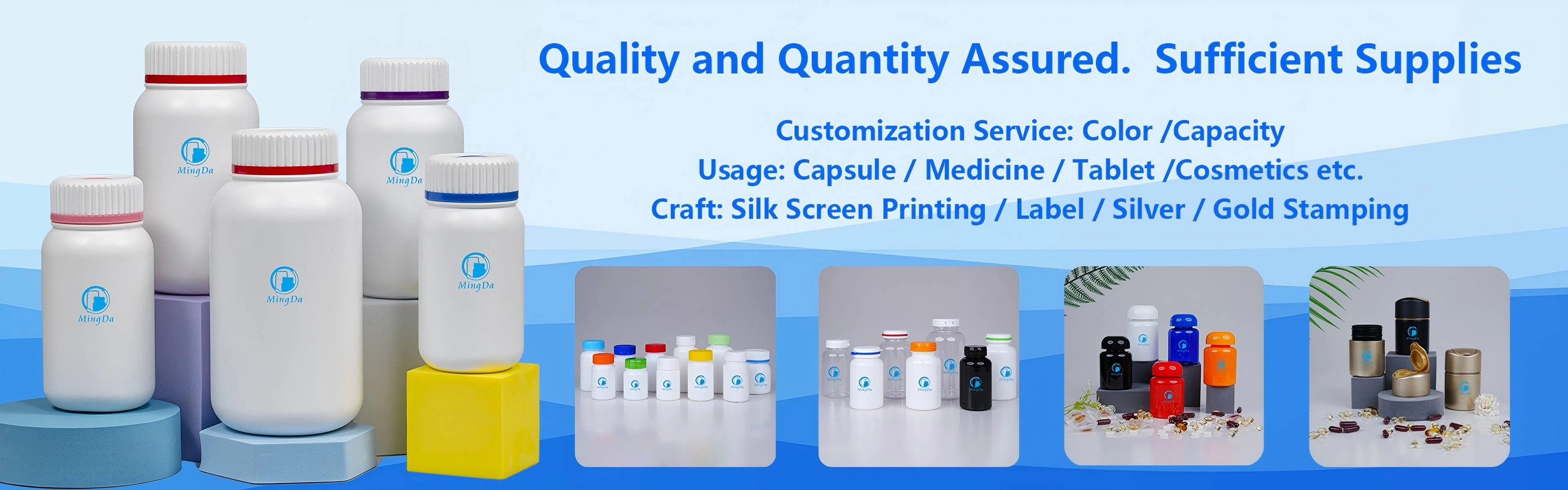


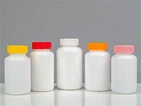
Custom HDPE bottles are widely used in food, supplements, personal care, and chemical packaging. However, a smooth customization process depends far more on early communication and proper planning than many buyers realize. This guide walks through each key step, with practical insights that help avoid common mistakes and delays.
Customization Process Overview
Initial Requirement Communication (Where Most Issues Are Solved)
The initial discussion is the most important stage of HDPE bottle customization. When requirements are unclear at this point, problems often appear later during sampling or mass production. A well-structured conversation upfront can resolve most concerns before any tooling begins.
Key questions that should be clarified early include:
1. What will the bottle contain?
Is the product liquid, powder, granules, tablets, or chemicals? Does it have corrosive, volatile, or moisture-sensitive properties? The contents directly affect wall thickness, bottle structure, and sealing solutions.
2. Nominal capacity vs. actual fill volume
Many buyers overlook headspace requirements. Clarifying whether the labeled capacity equals the actual fill volume helps prevent bottles from appearing too small or overfilled.
3. Neck finish and closure compatibility
Will the bottle be used with an existing cap or filling line? Thread standards, liner options, and tamper-evident features should be confirmed early to avoid mismatch issues.
4. Usage and sales environment
Is the bottle designed for retail display, industrial use, or export shipping? Requirements may include easy-open designs, child-resistant features, or enhanced leak prevention.
5. Target market and compliance needs
Destination countries and regulatory standards matter. Food-grade, pharmaceutical, or chemical packaging requirements may influence raw material selection and testing protocols.
Addressing these points at the start significantly reduces revisions, saves time, and controls costs throughout the project.
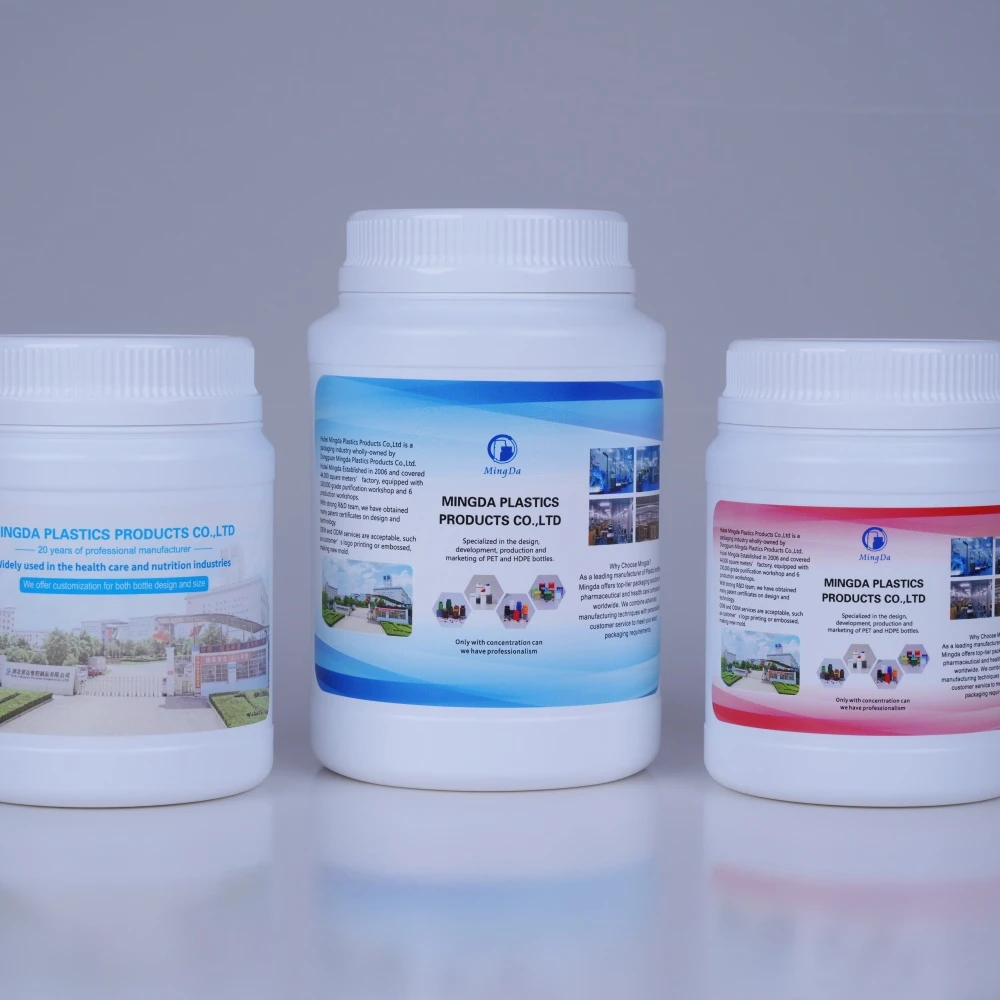
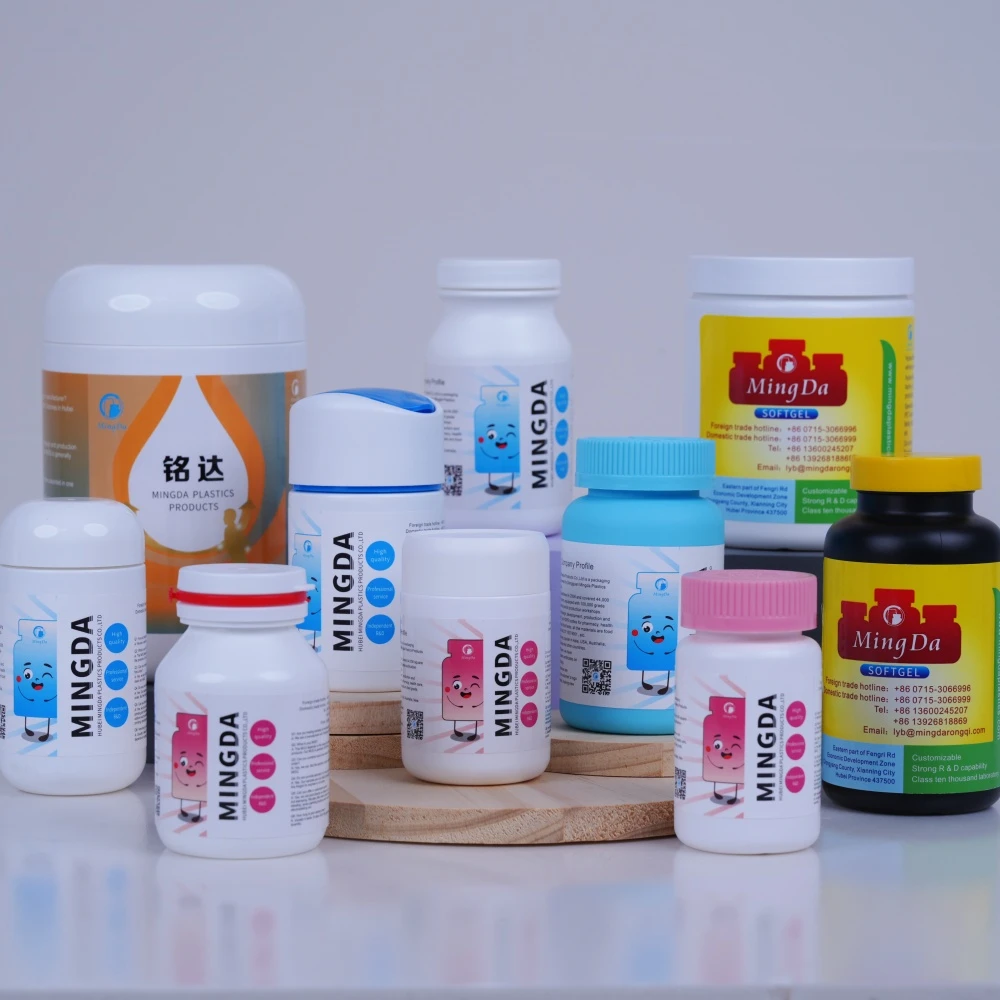
Mold and Wall Thickness Design
Once requirements are confirmed, structural design begins. Wall thickness in HDPE bottles should be engineered rather than maximized.
- Thicker bases and shoulders may be used for heavy contents or long-distance shipping
- Uniform wall distribution improves appearance and handling
- Structural reinforcement helps prevent deformation during stacking or transport
Well-designed molds ensure consistent quality and stable large-scale production.
Sampling and Approval
Sampling is a critical checkpoint before mass production. Physical samples allow buyers to evaluate:
- Overall appearance and surface finish
- Wall thickness consistency
- Cap fit, sealing performance, and opening torque
- Filling, pouring, and user experience
All feedback should be finalized during the sampling phase to avoid costly changes after production begins.
Design and Decoration Options
Color Selection
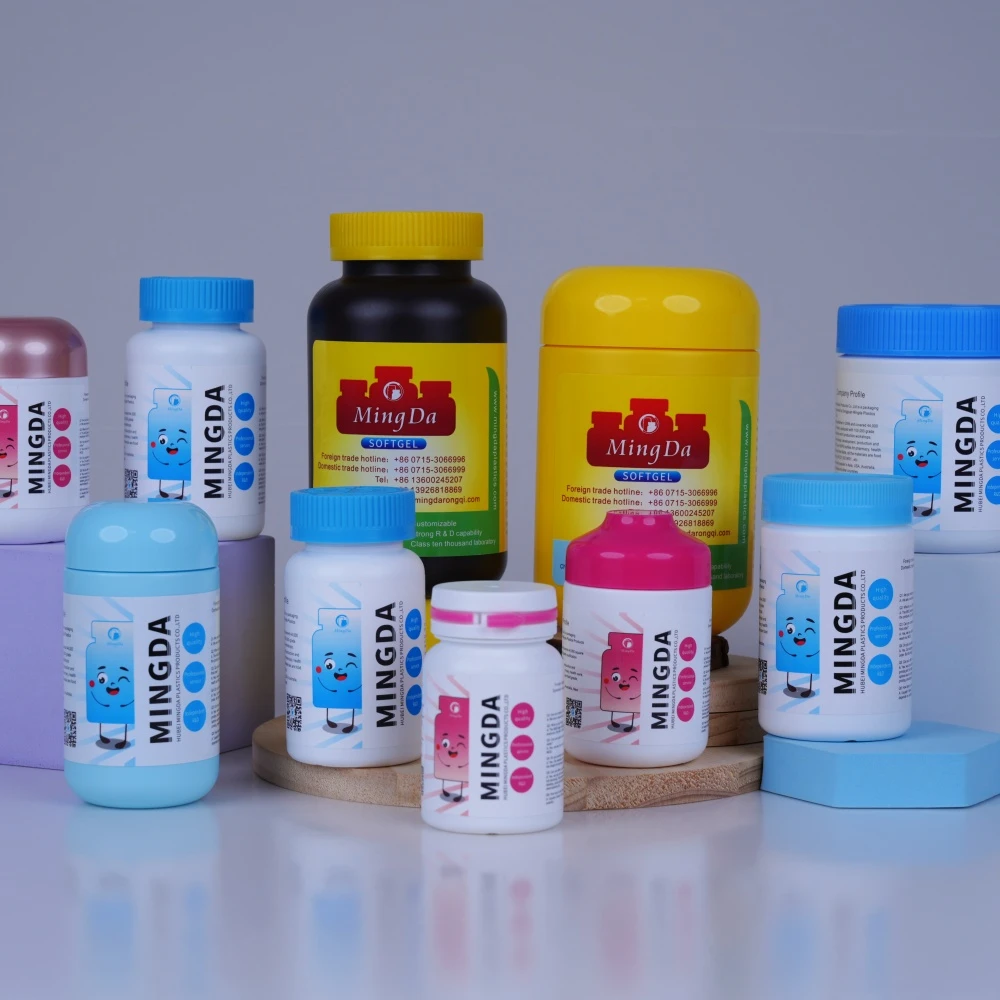
HDPE bottles can be customized in a wide range of colors, including opaque and semi-transparent options. Common color considerations include:
- Matching brand identity
- Differentiating product variants
- Light-blocking colors for content protection
Final color approval is typically based on physical samples to ensure batch consistency.
Hot Stamping
Several decoration methods are available depending on branding and flexibility needs:
- Screen printing for fixed designs and large volumes
- Hot stamping for a premium visual effect
Each option differs in cost, durability, and adaptability.
Shape Innovation
Beyond standard round and square designs, HDPE bottles can be customized with flat profiles, ergonomic grips, or integrated handles. Creative shapes enhance shelf recognition while maintaining strength and functionality.


Material and Process Advantages
Impact Resistance
HDPE offers excellent toughness and impact resistance, reducing the risk of cracking during handling and transportation, even in lower-temperature conditions.
Chemical Resistance
HDPE resists a wide range of acids, alkalis, and solvents, making it suitable for chemical, industrial, and household products requiring long-term stability.
Recyclability
As a recyclable material, HDPE supports sustainable packaging goals and helps brands meet environmental expectations in global markets.


Purchasing and Logistics Considerations
Minimum Order Quantity (MOQ)
MOQs vary depending on mold development, bottle complexity, color requirements, and additional processes. Confirming MOQ early helps align production planning and inventory strategy.
Production Lead Time
Lead time includes mold fabrication, sample approval, and mass production. Clear specifications and timely feedback are essential for maintaining predictable delivery schedules.
Transportation and Packaging
Proper packaging minimizes damage during transit. Depending on bottle size and shipping method, options may include polybag protection, carton packing, or palletized shipments with compression and moisture protection.