




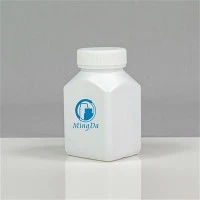
When buyers look for screw-cap plastic jars, one of the first questions that comes up is: wide-mouth or narrow-mouth?
Both work well, but they behave differently in filling, sealing, and daily use. Here's a straightforward breakdown from a buyer's point of view so you can quickly pick the right option for your wide-mouth jars, supplement bottles, or plastic jars project.
1. Wide-Mouth Jars: Easy Filling, Easy Access
Wide openings simply make life easier.
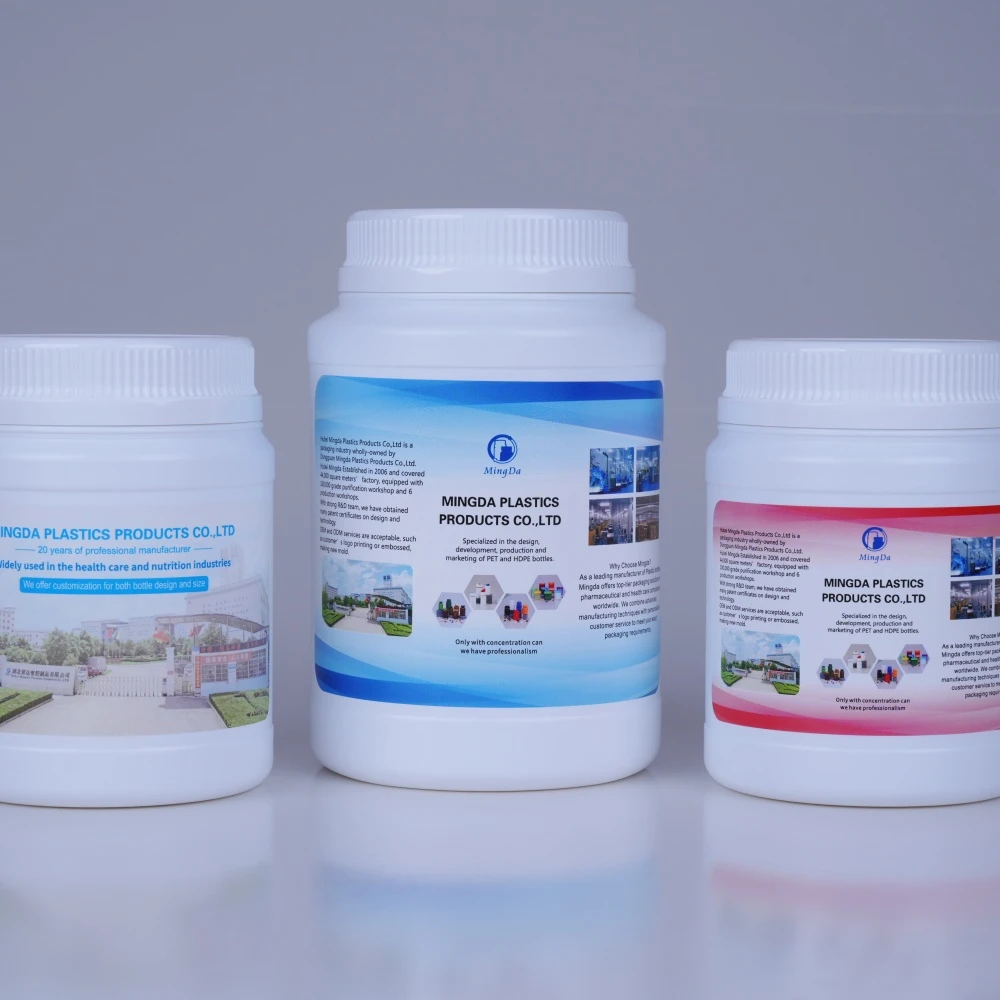
They're ideal for products that need quick, clean filling-no clogging, no mess. Customers also find them easier to scoop from and repurpose.
Best for:
Protein powder
Gummies and snacks
Large-count supplement bottles
Pet treats in wide-mouth jars
Dry foods that benefit from good shelf display
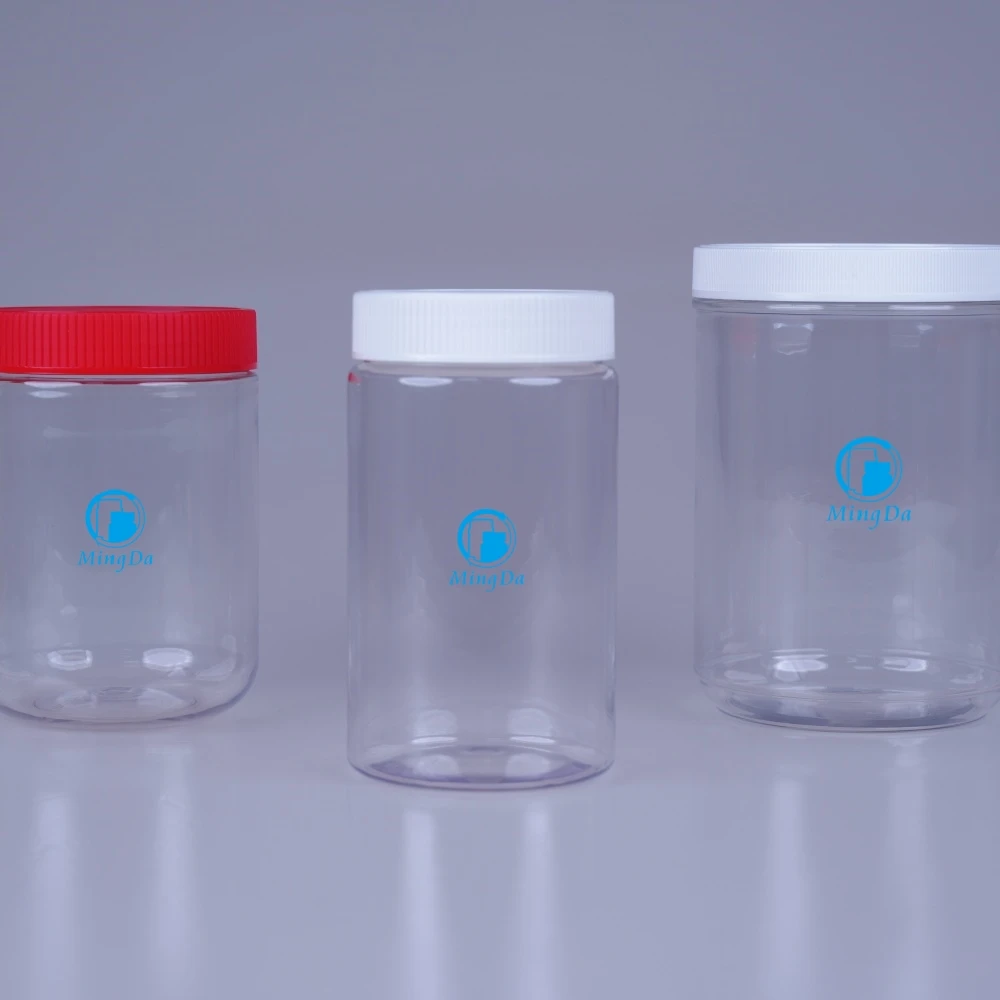
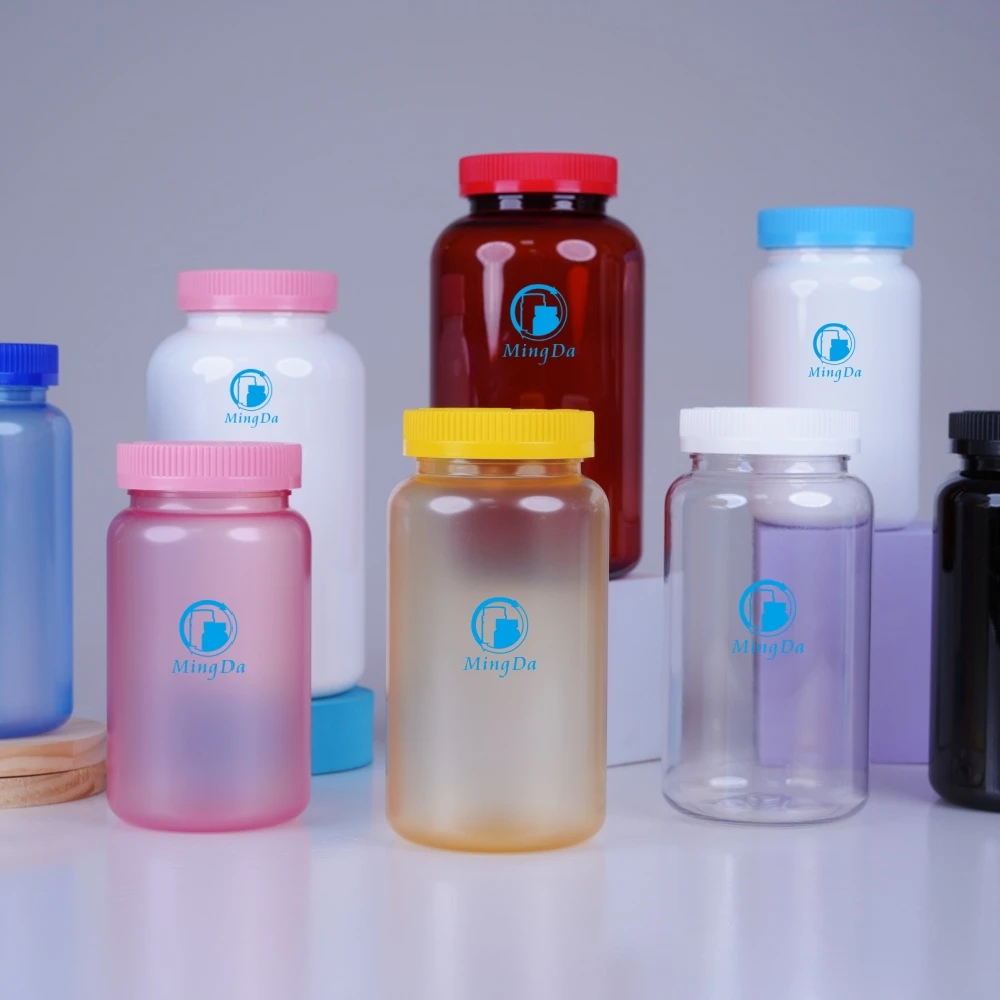
If your product relies on visibility and convenience, a PET wide-mouth plastic jar usually performs very well.
2. Narrow-Mouth Jars: Tighter Seal, Better Transport Stability
Narrow-mouth jars usually offer stronger neck structure and more controlled flow.
They create a tighter seal, which is helpful for liquids or volatile ingredients.
Best for:
Liquid supplements
Syrups and extracts
Small tablets or pellets
Products that must pour slowly or precisely
For long-distance shipping-especially cross-border transport-a narrow-mouth design often handles pressure and stacking better.
3. How to Decide Quickly: Focus on These Three Points
1. Product Type
Powders / big particles → wide-mouth
Liquids / small tablets → narrow-mouth
2. Filling Method
Manual filling → wide-mouth saves time
Automatic filling → choose based on machine specs
3. Transport Requirements
Long export routes → narrow-mouth is naturally stronger
Reinforced PET/HDPE wide-mouth bottles also work if they have passed drop and vibration tests

4. Don't Forget: The Cap Matters Too
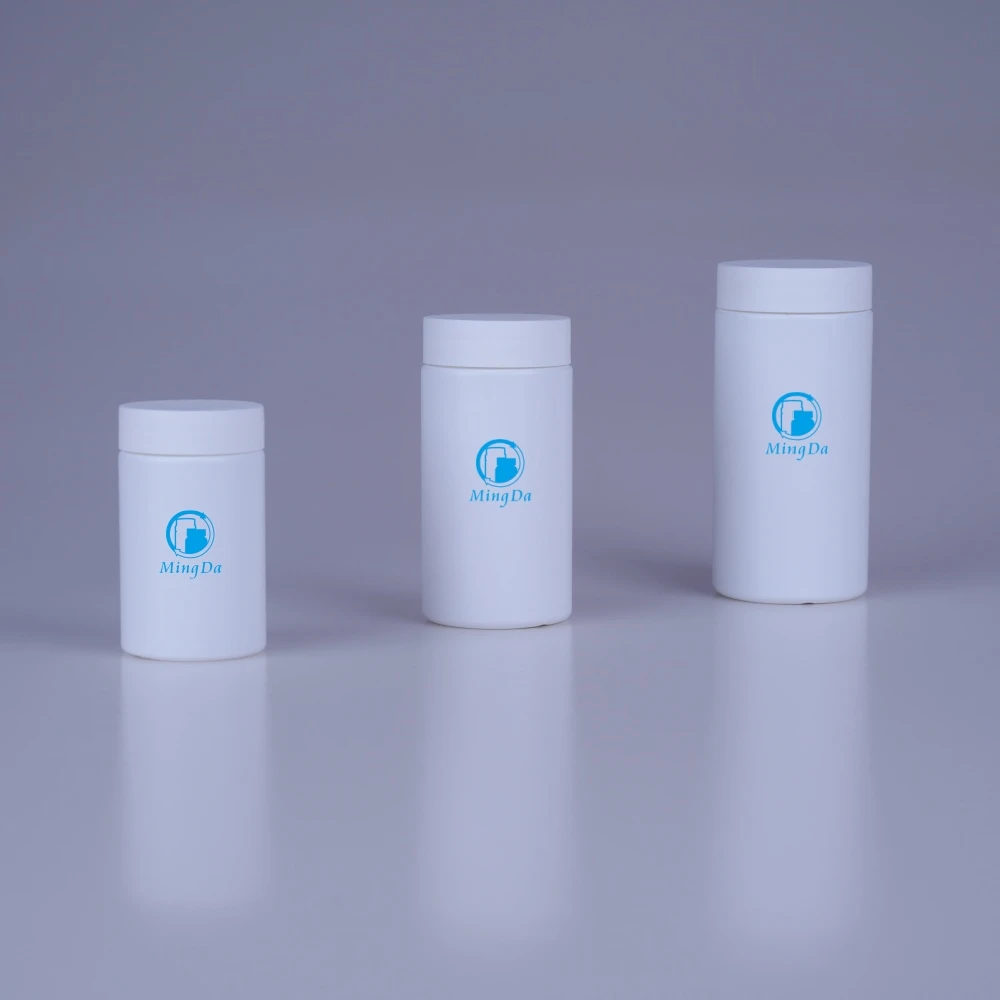
Both mouth types can pair with different cap styles-child-resistant caps, double-layer caps, tear-off caps, hinged caps, and more.
Your sealing performance depends on the bottle and the cap, so testing them together is essential.
Final Takeaway: "Right Fit" Beats "Big or Small"
Choosing between a wide-mouth and narrow-mouth jar isn't about which is better-it's about what matches your product and workflow. Whenever possible, request samples and do quick filling, sealing, and drop tests. A few minutes of real-world testing often reveals more than a specs sheet.