

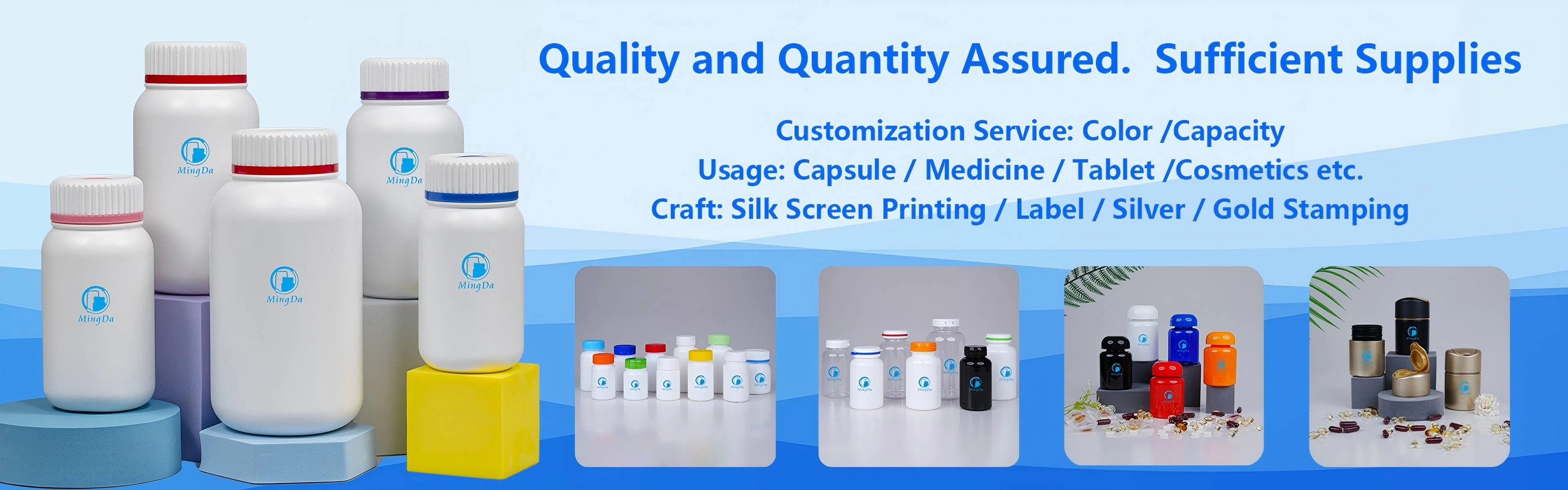
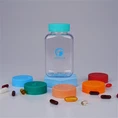
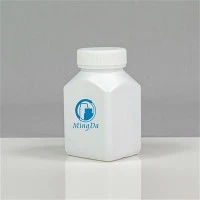
In today's competitive market, the packaging industry is constantly evolving to meet the needs of consumers and brands alike. One trend that has been gaining significant traction is the use of specific plastic materials for packaging, especially for bottles. But why are so many brands now turning to these materials? The answer lies in a combination of practicality, sustainability, and cost-effectiveness. Let's dive into why certain plastic bottle materials are becoming the go-to choice for brands around the world.
1. PET Bottles: The Popular Choice for Many Brands
Polyethylene Terephthalate (PET) is the most commonly used plastic material for bottles, and for good reason. It is lightweight, durable, and offers excellent clarity. PET bottles are often used for packaging beverages, personal care products, and even pharmaceuticals. Their high resistance to impact and moisture makes them an ideal option for preserving the quality of contents. Additionally, PET is 100% recyclable, making it a more sustainable option compared to other plastics. As consumers become more environmentally conscious, brands that use PET are able to showcase their commitment to sustainability.

2. HDPE Bottles: Strength and Versatility
High-Density Polyethylene (HDPE) is another popular choice for plastic bottles. Known for its strength and versatility, HDPE is commonly used for packaging products such as cleaning supplies, detergents, and cosmetics. Its resistance to chemicals and ability to withstand harsh environments make it a perfect option for both industrial and consumer goods. Additionally, HDPE is a cost-effective material that helps brands keep production costs low without sacrificing quality. This material also has a high recycling rate, contributing to a circular economy.

3. PP Bottles: Ideal for Hot-Fill Products
Polypropylene (PP) is a plastic material that is increasingly being chosen for packaging hot-fill products, such as sauces, soups, and beverages. PP can withstand high temperatures without losing its shape or strength, making it perfect for products that need to be filled while hot. PP is also lightweight and offers a high level of chemical resistance, making it suitable for packaging a wide range of products.
4. Sustainability: A Driving Factor for Change
Consumers are more aware than ever of the environmental impact of plastic packaging. This has led many brands to seek out materials that are not only functional but also sustainable. Plastic materials like PET and HDPE are increasingly being recycled and reused, and many companies are moving toward using post-consumer recycled (PCR) content in their packaging. By choosing these materials, brands can reduce their environmental footprint and appeal to eco-conscious consumers.
5. Customizability and Brand Recognition
Plastic bottles made from PET, HDPE, or PP are not only practical but also customizable. Whether through embossing, labeling, or printing, brands can create unique packaging that enhances their visibility and appeal on the shelves. This level of customization helps brands build a strong identity and stand out in a crowded market.
Conclusion
The shift towards PET, HDPE, and PP plastic bottles is a clear indication that the packaging industry is evolving to meet the demands of both consumers and brands. Whether it's the durability and sustainability of PET, the strength of HDPE, or the heat resistance of PP, these materials offer the perfect blend of functionality, cost-effectiveness, and environmental responsibility. For brands looking to stay ahead in the market, choosing the right plastic bottle material can make all the difference.