

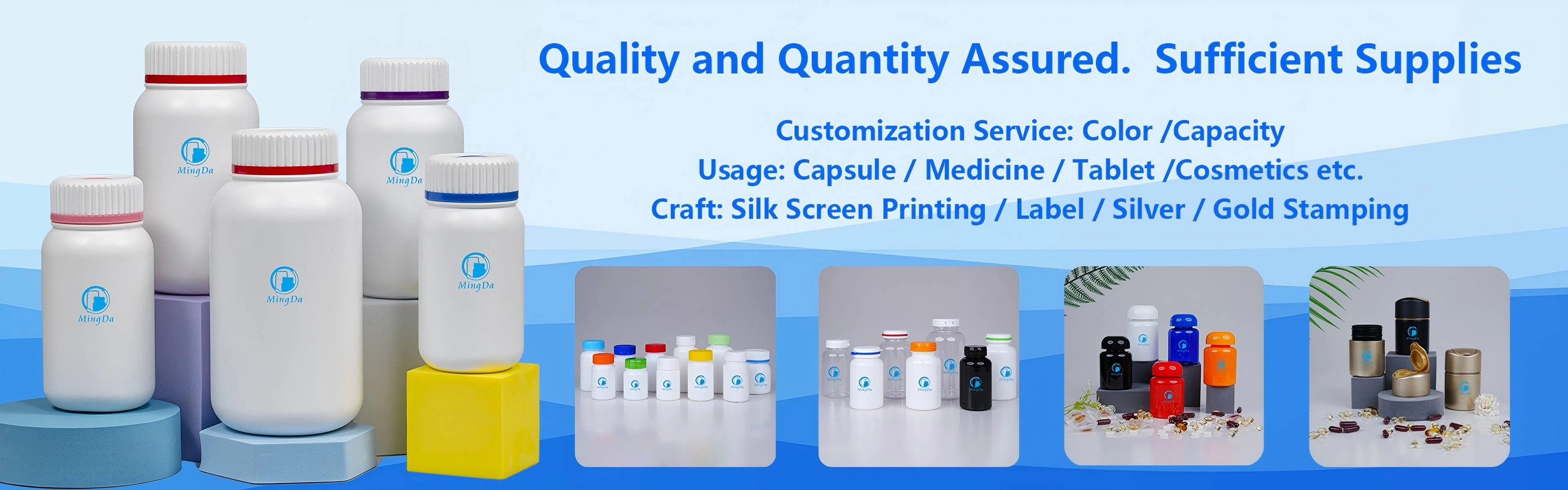
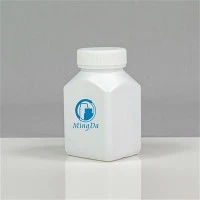
In today's world, packaging is an essential part of everyday life, influencing everything from the food we consume to the beauty products we use. However, when we think about packaging, most people often overlook the materials that make it possible. HDPE (High-Density Polyethylene), PET (Polyethylene Terephthalate), and PP (Polypropylene) are the unsung heroes of the packaging industry. These versatile plastics are not just cost-effective; they also provide functionality, durability, and sustainability. Let's dive into why these materials play such a crucial role in modern packaging.
HDPE: The Tough, Reliable Packaging Solution
High-Density Polyethylene (HDPE) is one of the most widely used plastics in packaging. Known for its strength, stiffness, and resistance to impact, HDPE is commonly found in items like milk jugs, detergent bottles, and food containers. What makes HDPE so popular is its ability to handle a variety of temperatures without cracking or warping. It's resistant to moisture, making it ideal for liquid-based products.
Moreover, HDPE is a recyclable material, which contributes to its environmental sustainability. Many communities have established recycling programs for HDPE, ensuring that it can be repurposed for new packaging or other products, reducing waste and supporting the circular economy.
PET: The Clear Choice for Safe and Stylish Packaging
Polyethylene Terephthalate (PET) is another powerhouse in the packaging world. Most commonly found in beverage bottles, PET is favored for its transparency, strength, and ability to maintain product freshness. This material can withstand the pressures of carbonation, making it perfect for soda and sparkling water bottles. Additionally, PET is highly resistant to chemical leaching, which helps preserve the integrity of the product inside.
One of PET's most impressive qualities is its recyclability. It is one of the most widely recycled plastics globally and can be turned into products ranging from clothing to carpeting, reducing the environmental impact. The widespread use and recyclability of PET contribute to its reputation as a sustainable packaging option.
PP: The Flexible and Versatile Workhorse
Polypropylene (PP) is a flexible, durable plastic that has become a staple in the packaging industry. It's used in everything from yogurt containers and food packaging to medical supplies and cosmetics. PP's ability to be molded into various shapes and its resistance to chemicals and moisture make it ideal for a wide range of applications.
What sets PP apart is its flexibility and high melting point, which makes it ideal for heat-resistant packaging. It's also recyclable, though less commonly recycled than PET and HDPE. Still, its lightweight nature and ability to be reused in other products make it an environmentally friendly choice for many packaging needs.
Conclusion
In the world of packaging, HDPE, PET, and PP are the hidden champions that ensure our products are safe, durable, and easily accessible. Their strength, recyclability, and versatility make them essential materials for a wide range of industries, from food and beverage to beauty and pharmaceuticals. As consumers and businesses continue to prioritize sustainability, these plastics will remain at the forefront of packaging innovation, proving that sometimes the most important things are the ones we often take for granted.