

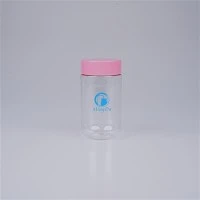
Why PET Bottle Yellowing Is a Problem Buyers Should Not Ignore
When purchasing PET bottles, most buyers usually focus on transparency, weight, capacity, price, and production capability.
This is understandable because one of the biggest advantages of PET packaging is its clear and attractive appearance. For industries such as beverages, food, cosmetics, and dietary supplements, transparent packaging allows consumers to see the product inside while creating a cleaner and more professional shelf presentation.
However, after working on different packaging projects, I found that one issue is often underestimated by buyers: PET bottles may look perfect when they leave the factory, but their appearance can change after months of storage, transportation, or product filling.
Some buyers discover that bottles gradually become yellow. Others notice reduced transparency or differences between production batches. When this happens, many buyers immediately assume that the supplier used poor-quality PET material.
I used to think the same way.
When I first started working with plastic packaging projects, I believed that PET bottle quality mainly depended on the raw material and production equipment. If a factory used transparent PET resin and had modern machines, the bottle appearance should remain stable.
However, after being involved in more food packaging, supplement packaging, and export projects, I realized that PET bottle color stability is much more complicated.
The long-term appearance of a PET bottle depends on several factors, including raw material quality, manufacturing process control, storage conditions, product compatibility, and the supplier's quality management system.
For buyers, understanding why PET bottles turn yellow is not only about solving an appearance problem. It is about preventing larger issues such as customer complaints, product image damage, replacement costs, and supply chain delays.
In this article, I will explain the main causes of PET bottle yellowing from a packaging manufacturing and purchasing perspective, and share what buyers should pay attention to before placing large orders.

PET Material Quality Directly Affects Color Stability
Many buyers believe that all PET materials are basically the same.
They often think:
"If the supplier uses PET material, the quality should be similar."
This is one of the most common misunderstandings I see in packaging purchasing.
I also underestimated the importance of raw materials when I first entered this industry. In the beginning, I thought the biggest differences between PET bottles came from bottle design, weight, and production technology.
However, after working with more packaging projects, I found that raw material consistency often determines the final appearance and long-term stability of PET packaging.
PET (Polyethylene Terephthalate) is widely used for packaging because it provides good transparency, strength, and lightweight performance. It is commonly used for beverage bottles, food packaging bottles, cosmetic containers, and supplement bottles.
However, not all PET resin performs the same way.
High-quality PET resin helps manufacturers achieve stable transparency, consistent color appearance, and reliable mechanical properties. On the other hand, unstable raw materials can create problems that become visible after production.
For example, if a supplier does not control raw material quality carefully, issues may appear during mass production, such as slight yellowing, reduced transparency, or differences between different production batches.
I once worked on a food packaging project where a customer purchased clear PET bottles. The first samples looked excellent, and the customer approved the order based on the appearance and transparency.
However, during later production, the customer noticed slight color differences between batches.
After reviewing the production process, we found that the problem was not related to the bottle design or equipment. The main issue came from inconsistent raw material control between different production periods.
This experience changed my understanding of transparent packaging.
A single approved sample can show what a supplier can produce once, but it does not always prove that the supplier can maintain the same quality for hundreds of thousands or millions of bottles.
For buyers choosing a PET bottle supplier, I suggest asking more detailed questions instead of only confirming:
"Is this PET material?"
A better approach is to understand what type of PET resin the supplier uses, how they manage incoming materials, and how they maintain consistency between different production batches.
For transparent PET bottles, material stability is often more important than a small difference in purchase price.

Manufacturing Process Control Can Influence PET Bottle Appearance
Many buyers focus on PET resin quality but overlook another important factor: manufacturing process control.
I used to believe that if the raw material was good enough, the final bottle quality would naturally remain stable.
However, real production experience showed me that this is not always true.
PET bottle manufacturing involves several important stages, including resin drying, preform injection molding, heating, blow molding, and quality inspection.
Each stage can influence the final appearance of the bottle.
One common misunderstanding is that higher processing temperature means higher production efficiency.
In reality, PET materials are sensitive to processing conditions. If production parameters are not properly controlled, excessive heat, unstable temperature control, or long material residence time inside equipment may affect the material structure.
These changes can influence bottle transparency, color stability, and overall performance.
From a purchasing perspective, I do not only look at whether a supplier has advanced equipment. Many factories today have automated production lines.
The more important question is whether the supplier can maintain stable quality during long-term mass production.
Producing one qualified sample is not difficult for many manufacturers.
The real challenge is producing the same bottle quality consistently across hundreds of thousands or millions of pieces.
When evaluating a PET bottle manufacturer, I pay more attention to whether the supplier has standardized production procedures, quality inspection records, and batch tracking systems.
These factors directly influence what buyers receive after placing large orders.
A supplier's manufacturing capability is not only about production speed. It is about the ability to control small differences before they become large quality problems.
UV Exposure and Storage Conditions Can Affect PET Bottle Appearance
UV exposure is an important factor affecting the long-term stability of PET bottles, but many buyers overlook this during packaging selection.
Many projects look completely fine during production, but after several months of storage or long-distance transportation, the bottle appearance may change.
I have experienced a similar situation.
A batch of clear PET bottles passed factory inspection and met all customer requirements in terms of transparency and appearance.
However, after the bottles were stored in the customer's local warehouse for a period of time, the customer noticed that some bottles had reduced transparency and slight color changes.
After further analysis, we found that the problem did not occur during production.
The main reason was long-term exposure to high temperature and light, which gradually affected the material performance.
This situation is especially important for export packaging projects because PET bottles often experience long transportation cycles, high-temperature containers, and different climate conditions in overseas markets.
During summer shipments, container temperatures can become extremely high. If PET bottles remain exposed to heat and strong light for a long time, material aging may accelerate.
For buyers, the question should not only be:
"What does the bottle look like when it leaves the factory?"
A more important question is:
"How will the packaging perform after months of transportation and storage?"
For products such as dietary supplements, food ingredients, and cosmetics that require long-term storage, I recommend evaluating the real usage environment before selecting packaging.
If appearance stability is critical, buyers should discuss possible solutions with the supplier, including suitable storage methods, UV protection requirements, and packaging designs that can maintain appearance over time.

Product Compatibility Can Also Affect PET Bottle Color Stability
Many buyers focus on the quality of the PET bottle itself but overlook another important factor: the relationship between the bottle and the product inside.
I have learned from many packaging projects that a bottle is not just a container. It is part of a complete packaging system. The material needs to remain stable while staying in long-term contact with the product formula.
Some products contain ingredients such as essential oils, flavors, active ingredients, or other functional components. Over time, these ingredients may interact with packaging materials and affect the appearance or performance of the bottle.
This issue is especially important for industries such as dietary supplements, food products, cosmetics, and health-related products. A PET bottle may pass appearance inspection before filling, but changes can appear after weeks or months of contact with the product.
I once worked on a supplement packaging project where the customer noticed that the bottle appearance changed after storage. The initial assumption was that the PET bottle quality was the problem. However, after reviewing the project, we found that the main factor was the compatibility between the bottle material and the product formula.
This experience reminded me that packaging selection should not only consider the bottle itself. The real question is whether the bottle can maintain stable performance throughout the entire product lifecycle.
For buyers, I recommend discussing product compatibility with the supplier before mass production. A supplier with experience in similar applications can often identify potential risks earlier and suggest suitable testing methods.
A small compatibility test before production can help avoid much larger problems after thousands of bottles have already been filled.
Does Recycled PET Always Cause Yellowing?
With the increasing focus on sustainable packaging, more brands are exploring recycled materials such as PCR PET (Post-Consumer Recycled PET).
One question I often receive from buyers is:
"Will recycled PET make bottles yellow?"
The answer depends on how the material is managed.
I do not think recycled PET itself automatically creates quality problems. Modern recycling technology has improved significantly, and high-quality PCR PET can be used successfully in many packaging applications.
However, recycled materials require stronger quality control because their characteristics can vary depending on the material source and processing methods.
For packaging projects with very strict appearance requirements, especially clear PET bottles, buyers should pay closer attention to transparency, color consistency, and batch stability.
I once discussed a project where a customer wanted both sustainable packaging and a completely crystal-clear bottle appearance. The challenge was not producing the bottle. The challenge was balancing environmental goals with the visual expectations of the final product.
In this situation, the supplier needs to clearly explain how they control recycled material quality, including material sourcing, PCR ratio, color management, and testing procedures.
For buyers, the important question is not simply:
"Do you use recycled PET?"
A better question is:
"How do you maintain stable appearance when using recycled PET?"
This difference helps buyers evaluate whether a supplier truly understands sustainable packaging production.

How Can Buyers Avoid PET Bottle Color Problems After Receiving Bulk Orders?
Most color complaints do not happen because buyers ignore quality completely. They usually happen because the quality expectations were not clearly defined before production.
I have seen many projects where the sample looked perfect, the buyer approved the order, and everything seemed ready for production.
However, the sample only represents one production result. It does not always represent the quality consistency of hundreds of thousands of bottles produced later.
For transparent PET packaging, I recommend buyers establish a clear reference standard before mass production. Both sides should understand what level of transparency, color appearance, and batch consistency are acceptable.
This does not need to be complicated. A confirmed sample, clear communication, and proper quality requirements can already prevent many misunderstandings.
For products with strict appearance requirements, additional testing is also valuable. Depending on the application, buyers may consider storage tests, temperature tests, light exposure tests, or compatibility tests before placing large orders.
In my experience, spending a little more time before production is always cheaper than solving packaging problems after delivery.
Choosing the Right PET Bottle Supplier Matters More Than Choosing the Lowest Price
When buyers purchase PET bottles, price is usually one of the first factors they compare.
This is normal.
Every company needs to control purchasing costs.
However, I have found that the lowest unit price does not always create the lowest total cost.
A supplier with unstable quality may create additional expenses through rejected products, replacement shipments, delayed production schedules, and customer complaints.
For transparent PET bottles, quality consistency is often more important than a small difference in price.
When I evaluate a PET bottle manufacturer, I pay attention to three areas: material management, production stability, and quality control.
A reliable supplier should understand how PET resin quality affects bottle appearance and should have a clear process for controlling raw materials.
Production capability is also important. The question is not only whether a supplier can produce one qualified sample. The more important question is whether they can maintain the same quality across large-volume production.
Quality control should also cover the entire manufacturing process, not only the final inspection. A professional supplier should monitor production conditions, appearance quality, dimensions, and batch consistency.
This is the difference between a supplier who simply produces bottles and a supplier who helps customers reduce packaging risks.
Why Pre-Shipment Inspection Is Important for Large PET Bottle Orders
For large-volume PET bottle purchases, especially the first cooperation with a supplier, I recommend buyers consider inspection before shipment.
Many suppliers have their own quality inspection systems, but an additional review can provide extra confidence before the goods leave the factory.
The purpose of inspection is not only to find defects.
It also helps confirm that the final production matches the approved sample and agreed quality requirements.
During inspection, buyers can focus on several important points, including bottle appearance, transparency, color consistency, dimensions, and packaging condition.
Random sampling is especially useful because many production issues appear as batch differences rather than obvious defects in every single bottle.
Once the shipment arrives at the destination market, solving quality problems becomes much more difficult because of transportation costs, time delays, and possible impact on the final product launch.
A Practical Approach Before Ordering PET Bottles
Based on my experience, a successful PET bottle purchase usually depends on communication before production rather than problem-solving after delivery.
Before choosing a supplier, buyers should understand the supplier's material quality, production experience, and quality control capability.
Before mass production, both sides should confirm the approved sample, appearance requirements, and any necessary testing.
Before shipment, buyers should verify that the final products maintain consistent quality with the approved standard.
These steps may seem simple, but they help create a more predictable supply chain.
My Final Advice for PET Bottle Buyers
PET bottle yellowing usually does not come from one single mistake.
In most cases, it results from several factors working together, including raw material quality, manufacturing conditions, storage environment, and communication between buyers and suppliers.
I do not believe buyers need to find a supplier that promises zero risk. Every manufacturing process has some level of variation.
The more important thing is choosing a supplier that understands potential risks and has the ability to control them.
A reliable PET bottle supplier should not only provide a bottle that looks good when it leaves the factory.
The supplier should help ensure that the packaging maintains stable appearance and performance throughout production, transportation, storage, and final product use.
For transparent PET packaging, appearance is only the beginning.
Long-term consistency is the real test of packaging quality.