

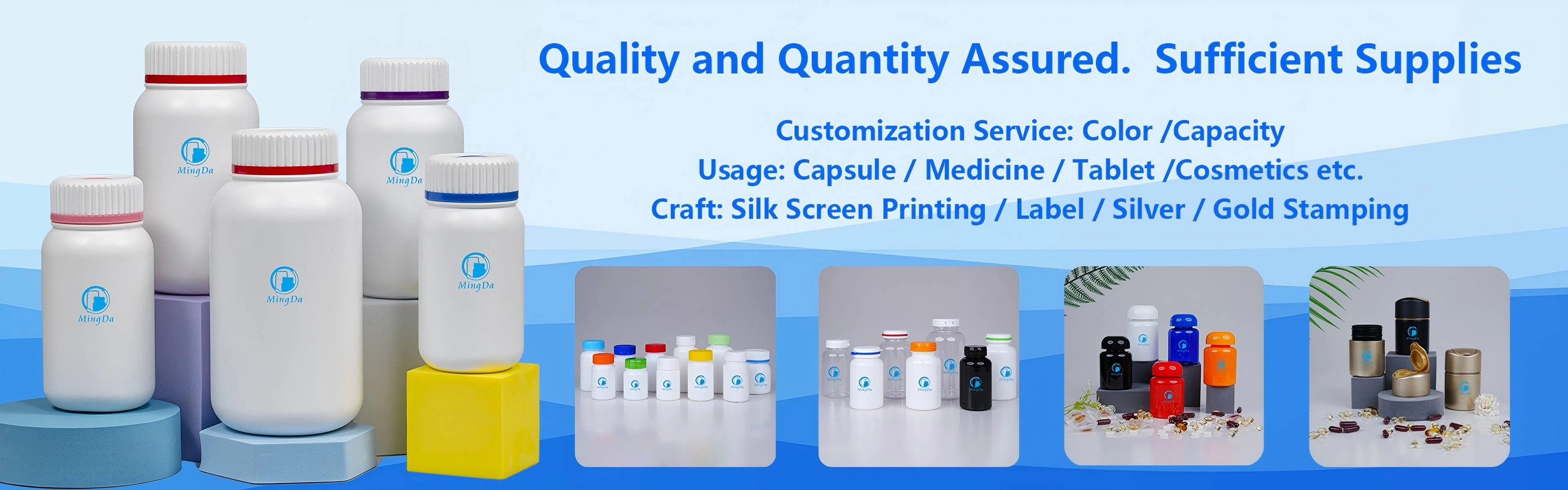
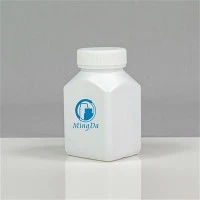
In real sourcing practice, buying plastic bottles in bulk is rarely just about finding the lowest price. Most buyers are actually trying to solve three problems at the same time: stable supply, consistent quality, and packaging that fits their actual product line.
This guide focuses on the most commonly purchased wholesale packaging formats, including 12 oz PET bottles, 8 oz containers with lids, and Boston round plastic bottles, based on real demand patterns in beverage, supplement, and cosmetic supply chains.
1. What Bulk Buying Actually Means in Plastic Packaging
When buyers search for buy plastic bottles in bulk, they are usually not looking for small retail orders. In most cases, the real requirement looks like this:
- Stable production batches (same mold, same specification)
- Long-term repeat orders instead of one-time purchase
- Packaging consistency for brand scaling
- OEM or private label capability
In practice, bulk sourcing is less about "buying bottles" and more about securing a repeatable packaging system that can support product growth.

2. 12 oz PET Bottles: The Most Common Commercial Format
Among all mid-size packaging formats, 12 oz PET bottles wholesale is one of the most frequently used specifications in export orders.
In real applications, this size is commonly chosen for:
- Ready-to-drink protein shakes
- Liquid dietary supplements
- Functional beverages
Compared to smaller sizes, 12 oz bottles are often preferred because they fit both retail shelf pricing and production efficiency.
From a sourcing perspective, many buyers choose this format as their "standard SKU bottle", meaning it becomes the baseline size across multiple product lines.
3. 8 oz Containers with Lids: Entry-Level and Trial Market Packaging
8 oz containers with lids bulk orders are usually driven by two types of demand:
- New product testing (before full market launch)
- Small-volume retail or subscription packaging
In cosmetic and wellness markets, this size is especially common for:
- Trial skincare products
- Travel-size supplements
- Sample distribution sets
One practical reason this size is widely used is risk control: brands can test market response without committing to large inventory.
4. Boston Round Bottles: Still a Standard in Pharmaceutical-Style Packaging
Boston round plastic bottles wholesale remain one of the most stable demand categories in packaging.
Unlike trend-driven designs, Boston round bottles are chosen mainly for functional reasons:
- Compatible with droppers, pumps, and spray caps
- Easy labeling on curved surfaces
- Widely accepted in pharmaceutical and tincture-style products
In real supply chains, this bottle type is often used for:
- Herbal extracts
- Liquid medicines
- CBD-style supplement products (in markets where applicable)
Although simple in appearance, it continues to be a "safe choice" for regulated or semi-regulated products.
5. 16 oz Bottles: Where Volume and Retail Pricing Meet
Search demand for 16 oz plastic bottles with caps wholesale near me usually comes from buyers who need faster replenishment cycles.
This size is commonly used for:
- Cold-pressed juices
- Dairy or plant-based drinks
- Larger cosmetic liquid formats (body wash, lotion refills)
In practice, 16 oz bottles are often used when brands move from testing stage to stable retail distribution.
The "near me" intent typically reflects urgency rather than actual location preference-buyers want:
- Faster shipping time
- Lower logistics uncertainty
- Easier communication with suppliers
6. Logo Bottles and Branding Requirements
More buyers now request logo plastic water bottles as part of their branding strategy.
In real projects, customization usually includes:
- Silk screen printing or label application
- Color matching based on brand identity
- Custom mold (for large-volume clients)
However, in practice, most mid-sized buyers start with:
standard bottle + logo printing
instead of full mold customization, due to cost efficiency.
This is often the most practical entry point for OEM packaging.
7. Choosing a Reliable Supplier (More Important Than Price)
When evaluating a PET bottle supplier or a plastic bottle company, experienced buyers usually prioritize:
- Batch consistency (critical for reorders)
- Material stability (food-grade PET, HDPE, etc.)
- Leakage and sealing performance
- Delivery reliability across repeated orders
Many supply chain issues do not come from pricing, but from inconsistent production across batches, which can affect labeling, filling, and shipping.
This is why long-term buyers tend to prefer manufacturers or established distributors rather than short-term trading sources.
8. Common Wholesale Packaging Mix in Real Orders
In actual procurement, orders are rarely limited to a single SKU. A typical combined order may include:
- 4 oz plastic bottles with caps wholesale (samples / trial size)
- 8 oz containers (test market)
- 12 oz PET bottles (main SKU)
- 16 oz bottles (retail expansion line)
This mix allows brands to build a tiered product structure from entry-level to retail scale.
9. Final Insight: What Experienced Buyers Actually Focus On
In real sourcing decisions, successful buyers rarely start with "price comparison first."
Instead, they usually follow this logic:
- Does this bottle fit my product and filling process?
- Can the supplier repeat the same quality next order?
- Can I scale this packaging when sales grow?
Price becomes a secondary factor once these conditions are satisfied.
For most long-term buyers, a stable packaging system is more valuable than a marginal unit cost difference.