

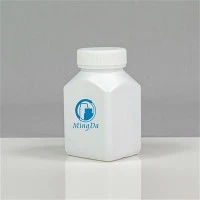
Selecting packaging is not simply a matter of choosing a bottle or jar that looks good. In cosmetics and food products, packaging directly affects product protection, user experience, transportation costs, and even repeat purchases.
Whether you are sourcing wholesale cosmetic jars with lids, wholesale lotion bottles with pump, or plastic honey bottles bulk, understanding how different packaging formats are used in real-world applications can help you make better purchasing decisions.
Why Packaging Selection Matters More Than Many Buyers Expect
Many new brands focus heavily on product formulation while treating packaging as a final step. In reality, packaging often becomes one of the first things customers notice.
A suitable container should do more than hold the product. It should:
- Protect the contents during storage and transportation
- Match the product's viscosity and usage habits
- Support branding and labeling
- Provide a positive customer experience
The packaging that works well for a facial cream may be completely unsuitable for a honey product, even if both use similar capacities.
4 oz Cosmetic Jars: A Popular Choice for Skincare Brands
Among cosmetic packaging options, 4 oz cosmetic jars with lids wholesale remains one of the most commonly requested sizes.
This format is frequently used for:
- Face creams
- Body butter
- Scrubs
- Hair masks
- Moisturizing balms
One reason brands prefer 4 oz jars is that they provide enough volume for regular use without making the package oversized or expensive to ship.
For startups and emerging beauty brands, this size often strikes a practical balance between retail value and packaging cost.


Why Many Cosmetic Brands Still Prefer Wide-Mouth Jars
When sourcing wholesale cosmetic jars with lids, buyers often compare jars with pumps, tubes, and airless containers.
Wide-mouth jars continue to be popular because they:
- Allow easy access to thick products
- Simplify filling operations
- Work well for creams and masks with high viscosity
- Provide a larger decoration area for labels and branding
In contract manufacturing projects, wide-mouth jars are also easier to fill efficiently compared with some specialty packaging formats.
However, they may not be ideal for formulations that require minimal air exposure.
Lotion Bottles with Pumps: Designed for Daily Convenience
For liquid and semi-liquid products, wholesale lotion bottles with pump solutions remain one of the most practical packaging choices.
Common applications include:
- Body lotion
- Hand cream
- Shampoo
- Conditioner
- Liquid soap
- Personal care products
The popularity of pump bottles comes from a simple advantage: controlled dispensing.
Instead of pouring or squeezing, users can dispense a consistent amount of product with each use.
This not only improves convenience but can also reduce product waste.
What Buyers Often Overlook When Choosing Pump Bottles
Many purchasing decisions focus on bottle appearance, but experienced buyers usually pay close attention to the pump system itself.
Key considerations include:
- Pump durability
- Dispensing consistency
- Leakage resistance during shipping
- Compatibility with the product formula
A lotion bottle is only as reliable as the pump attached to it.
For export orders, transportation testing becomes especially important because leakage issues often occur during long-distance shipping rather than normal usage.
Plastic Honey Bottles: Practical Packaging for Sticky Products
When sourcing plastic honey bottles wholesale, buyers face different challenges compared to cosmetic packaging.
Honey packaging must handle:
- High viscosity
- Potential leakage during transportation
- Repeated consumer use
- Long shelf life
For these reasons, plastic containers continue to be widely used in many markets.
Compared with glass, plastic honey bottles generally offer:
- Lower transportation costs
- Reduced breakage risk
- Easier handling during filling and shipping
This makes them attractive for both local producers and large-scale honey packers.
Plastic Honey Bottles Bulk Orders: What Commercial Buyers Usually Need
Companies purchasing plastic honey bottles bulk are often focused on operational efficiency rather than appearance alone.
Typical requirements include:
- Consistent bottle dimensions
- Reliable cap sealing performance
- Food-grade materials
- Stable supply for seasonal demand
Honey sales often fluctuate throughout the year, making supply reliability particularly important.
A small packaging inconsistency can create filling-line disruptions and increase production costs.


PET or HDPE: Which Material Is Better?
Both PET and HDPE are widely used in cosmetic and food packaging.
PET Containers
Advantages:
- Excellent transparency
- Attractive shelf appearance
- Good rigidity
- Suitable for showcasing product color
Commonly used for:
- Cosmetic jars
- Honey containers
- Personal care packaging
HDPE Containers
Advantages:
- Strong impact resistance
- Better opacity
- Good chemical compatibility
Commonly used for:
- Lotion bottles
- Pharmaceutical packaging
- Household products
In practice, material selection usually depends more on product characteristics than on price alone.
Custom Packaging and Branding Options
As competition increases, more brands are moving beyond standard stock packaging.
Common customization options include:
- Custom bottle colors
- Silk screen printing
- Pressure-sensitive labels
- Shrink sleeve labeling
- Matte or glossy finishes
Many brands start with stock molds and customized decoration before investing in fully custom packaging.
This approach reduces development costs while still creating a distinctive product appearance.
Final Thoughts
Whether you are sourcing 4 oz cosmetic jars with lids wholesale, wholesale cosmetic jars with lids, wholesale lotion bottles with pump, or plastic honey bottles wholesale, the best packaging choice depends on how the product will actually be used.
Successful packaging decisions usually balance four factors:
- Product compatibility
- User experience
- Supply stability
- Brand presentation
The right container does more than protect a product-it supports manufacturing efficiency, strengthens brand identity, and helps create a better experience for the end customer.