

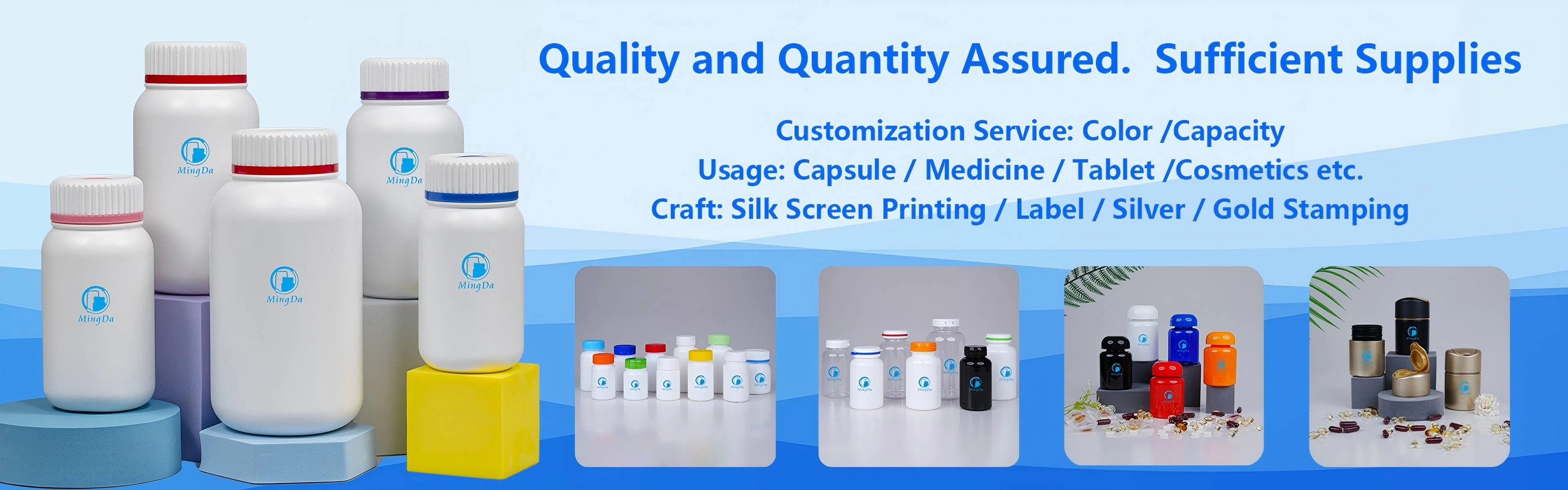
In everyday life, plastic bottles are widely used for packaging beverages, personal care products, and other liquids. However, not all plastic bottles are designed or safe for repeated use. Understanding which types should not be reused is important for consumer safety, environmental considerations, and product quality.
Common Types of Plastics Used in Bottles
Plastic bottles are typically made from various types of polymers, each with different properties:
PET (Polyethylene Terephthalate) – Recycling Code #1
HDPE (High-Density Polyethylene) – Recycling Code #2
PVC (Polyvinyl Chloride) – Recycling Code #3
LDPE (Low-Density Polyethylene) – Recycling Code #4
PP (Polypropylene) – Recycling Code #5
PS (Polystyrene) – Recycling Code #6
Plastic Bottles Generally Not Recommended for Reuse

PET Bottles (Code #1)
PET bottles are commonly used for single-use water and soda bottles. While they are lightweight and strong, they are not designed for long-term reuse. Reusing PET bottles may cause the following issues:
Surface degradation, which can harbor bacteria in microscopic scratches.
Potential leaching of antimony and other chemical residues, especially if exposed to heat or sunlight.
Structural weakening increases the risk of cracking or leakage.
PVC Bottles (Code #3)
PVC is rarely used for food and beverage bottles, but may be found in some cleaning product containers. PVC is not recommended for reuse due to its chemical composition, which can release harmful plasticizers and additives over time.
Polystyrene (PS) Bottles (Code #6)
PS is brittle and prone to cracking. It also has a lower resistance to heat, which makes it unsuitable for reuse, especially for liquids intended for consumption.
Considerations for Reusing Plastic Bottles
Hygiene Risks: Plastic surfaces can develop microscopic cracks where bacteria multiply, posing health risks. I don't think it's necessary to use bottles without thoroughly cleaning them.
Chemical Leaching: Some plastics may release harmful chemicals when reused, especially after exposure to heat or UV light.
Design Purpose: Many plastic bottles are specifically designed for single use and may degrade quickly if refilled.
Plastic Bottles Safer for Limited Reuse
HDPE (Code #2) and PP (Code #5) bottles are generally more durable and resistant to chemical leaching. They are often used for household products and some reusable containers. However, even these should be reused with caution and proper cleaning.

Best Practices
Use bottles marked as reusable or specifically designed for multiple uses.
Avoid exposing plastic bottles to heat (such as in microwaves or dishwashers) unless explicitly stated as safe.
Replace plastic bottles if they become scratched, cracked, or discolored.
Prefer using alternatives such as glass or stainless steel bottles for repeated use.
Conclusion
Not all plastic bottles are safe or suitable for repeated use. PET, PVC, and PS bottles are generally intended for single use only due to hygiene and chemical safety concerns. Consumers should be cautious about reusing plastic bottles and opt for containers designed for reuse to ensure safety and maintain product integrity.