

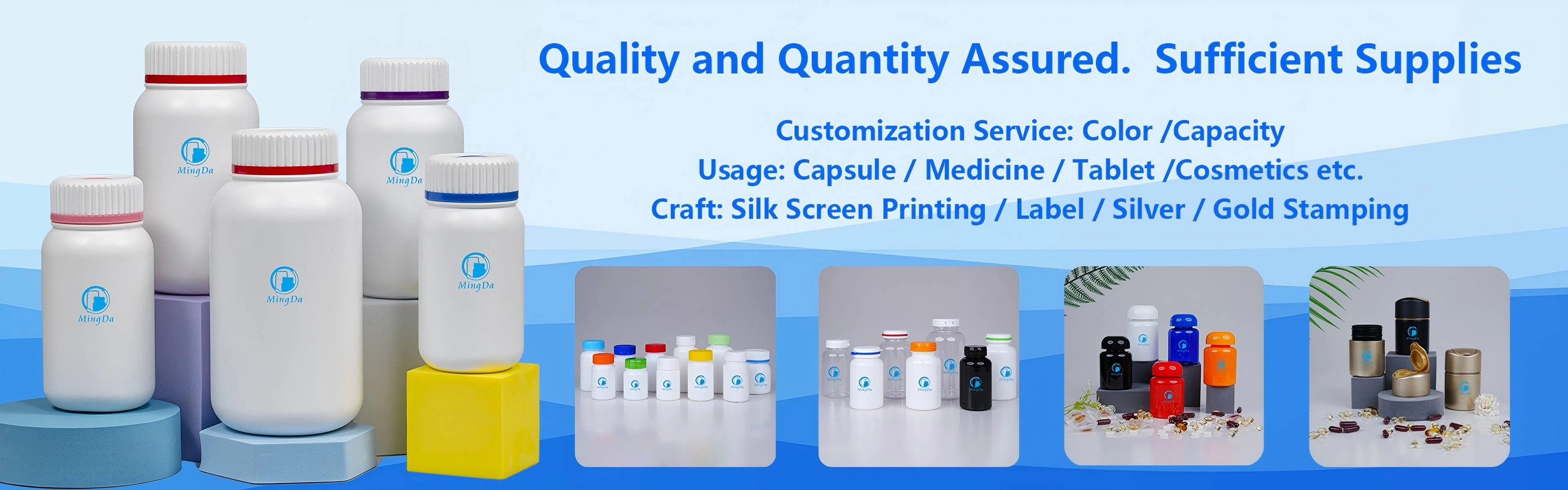

Plastic containers are essential to modern packaging-lightweight, durable, and cost-effective. But among the many types of plastic materials used globally, one stands out as the most popular and widely adopted in the packaging industry.
The Most Common Plastic Container Material: PET (Polyethylene Terephthalate)
PET, marked as recycling code #1, is the leading material used for plastic containers worldwide. It is the preferred choice for single-use beverage bottles, food packaging, personal care products, and even pharmaceutical containers.

Why PET Is Ranked No.1
Clarity and Appearance
PET containers are crystal-clear and visually appealing, making them ideal for displaying beverages and food products.
Lightweight and Strong
Despite being lightweight, PET offers high impact resistance, making it suitable for transport and shelf display without compromising durability.
Excellent Barrier Properties
PET has good resistance to carbon dioxide and moisture, which helps preserve the freshness and shelf life of carbonated drinks, juices, and other consumables.
Recyclability
PET is widely accepted in recycling programs across the world. Recycled PET (rPET) can be reprocessed into fiber, textiles, or even new bottles, reducing environmental impact.
Cost-Effectiveness
Its widespread production and material efficiency make PET a cost-effective option for manufacturers and brands.
Regulatory Approval
PET is approved for food contact by most health and safety regulatory bodies.

PET Applications by Sector
PET's popularity is not limited to soft drinks and water bottles. In the nutraceutical and supplement industry, PET bottles are widely used for packaging:
- Fish oil capsules
- Liquid calcium supplements
- Gummy vitamins
- Lecithin softgels
Its chemical stability and compatibility with oily, moisture-sensitive formulations make it a preferred packaging solution for health-related products.
Limitations of PET Containers
While PET is dominant in the plastic container market, it does have some limitations:
Not ideal for hot-fill products unless specially treated (e.g., heat-set PET)
Generally intended for single use due to hygiene and chemical stability concerns
Sensitive to UV exposure over time
Alternatives to PET in Certain Applications
In contexts requiring higher heat resistance or chemical resistance, other plastics such as HDPE (High-Density Polyethylene, Code #2) or PP (Polypropylene, Code #5) may be preferred. However, PET remains the top choice where clarity, cost, and recyclability are key.