

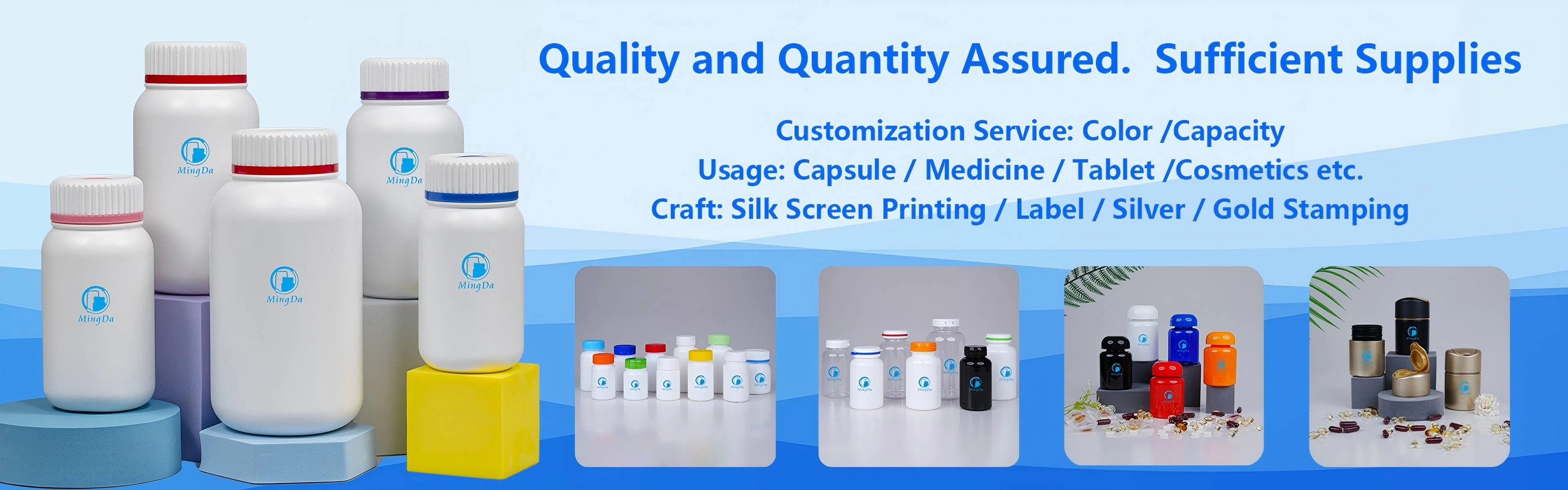
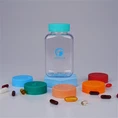
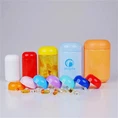
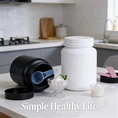
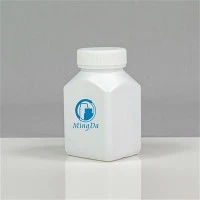
If you've ever wondered, "What material is this bottle made of?" you're not alone. Most people focus on the shape, color, or size, but the real story lies in the plastic itself. In manufacturing, not all plastics are equal - and understanding the difference helps you make smarter choices for your brand or your business.
HDPE - The Reliable All-Rounder
HDPE (High-Density Polyethylene) is one of the most widely used materials for plastic bottles. It's strong, lightweight, and resistant to impact and moisture, making it ideal for storing liquids like protein powders, cleaning products, and even pharmaceuticals.
What makes HDPE bottles special is their food-grade safety and recyclability, which means they can be reused and repurposed without environmental harm. Many manufacturers, including Hubei Mingda Plastics Products Co., Ltd., rely on HDPE for its balance of safety and performance.

PET - The Clear and Modern Choice
PET (Polyethylene Terephthalate) bottles are the go-to option for beverages, supplements, and food packaging. They're crystal-clear, lightweight, and resistant to oxygen - helping preserve the freshness of the product inside.
PET bottles are not just visually appealing but also eco-efficient, thanks to their high recyclability rate. Many consumers associate PET bottles with quality, which is why brands seeking transparency and presentation often choose them.

PP - The Tough, Heat-Resistant Option
PP (Polypropylene) is another common material, often used for caps, closures, and double-layer safety lids. It's tougher than HDPE in terms of heat resistance and performs well with hot-fill applications or products that require sterilization.
In packaging production, PP's ability to retain shape under pressure makes it a reliable partner for sealing systems - especially when paired with HDPE or PET bottles. This combination ensures that the container stays secure even under transport vibration or temperature changes. If you're curious about how different PP cap designs improve product sealing, this is worth looking into.

Why Material Choice Matters
The type of plastic isn't just a technical detail - it affects product safety, consumer trust, and environmental responsibility. For example, a protein powder bottle made from HDPE offers durability and odor resistance, while a vitamin bottle made from PET ensures transparency and shelf appeal.
Conclusion
So next time you pick up a plastic container, take a moment to check the recycling code or ask your supplier about the material. It tells you far more than just what's inside - it speaks to the quality, safety, and sustainability of your product.