




The Real Advantages of Plastic Blowing
1. Excellent Cost Efficiency
One of the biggest advantages of blow molding is its cost-effectiveness. The process allows manufacturers to produce a large number of plastic containers in a short amount of time, using relatively inexpensive molds compared to injection molding. For factories and production plants that need millions of bottles every year - such as food, health supplement, or pharmaceutical packaging manufacturers - this efficiency directly translates into lower unit costs and higher profit margins.
2. Lightweight Yet Durable Products
Plastic-blown bottles are known for being lightweight but surprisingly strong. The blowing process stretches the plastic evenly across the mold, resulting in a uniform wall thickness and impressive impact resistance. That's why HDPE and PET bottles created through this method are widely used in both industrial and consumer packaging - they're easy to transport, reduce shipping costs, and can withstand everyday handling.
3. Design Flexibility and Customization
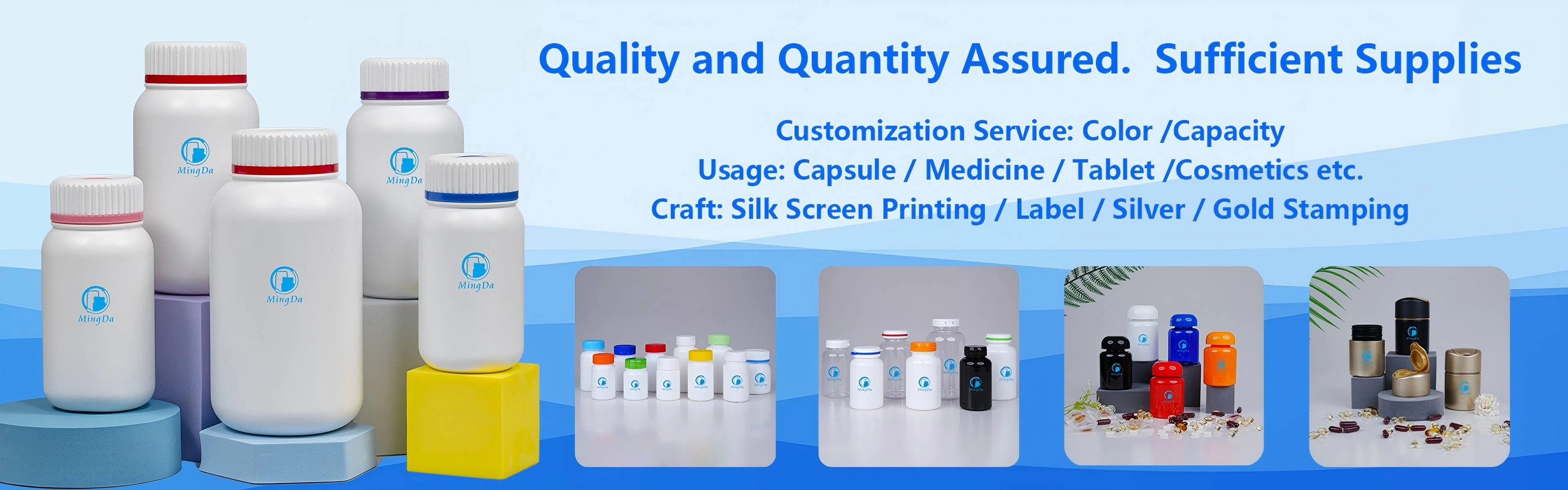
Blow molding allows for almost unlimited shape possibilities. Whether you need round, square, flat, or handled containers, the process can easily adapt to different product requirements. This flexibility gives manufacturers and brand owners freedom to design packaging that fits their visual identity and functionality - something a good factory can support through custom molds, color matching, and logo printing.


4. High Production Speed and Automation
Modern blow molding lines can operate at very high speeds, with fully automated systems that control every step - from material feeding and heating to blowing and cooling. For a production plant, this means stable quality, reduced labor costs, and consistent output even under large-scale orders. Many professional manufacturers invest in advanced blow molding machines to meet OEM and ODM orders efficiently.
5. Compatibility with Multiple Materials
Plastic blowing works with various types of thermoplastics, including HDPE, LDPE, PP, and PET. Each material brings different advantages: HDPE offers rigidity and chemical resistance, PET provides clarity and gloss, and PP adds flexibility. This versatility allows production factories to serve different industries - from food and beverage to cosmetics and pharmaceuticals - with packaging that meets specific performance standards.
6. Sustainability and Recyclability
As environmental awareness continues to rise, blow molding technology has adapted as well. Many factories now use recycled plastics (rPET or rHDPE) and energy-efficient systems to reduce their carbon footprint. Moreover, blow-molded bottles can be easily recycled, making this process more aligned with sustainable manufacturing goals.
Conclusion
Plastic blowing stands out because it combines efficiency, versatility, and cost savings - all while delivering durable, customizable packaging solutions. Whether you're a manufacturer, factory, or brand owner searching for reliable plastic packaging production, blow molding offers a proven balance between performance and economy.