

1. Introduction
When I first started exploring food packaging solutions, I realized that not all bottles labeled "food safe" actually meet the standards. Choosing the right food-grade bottle can make a huge difference for the safety, freshness, and shelf life of products. In this guide, I want to walk you through what makes a bottle truly food-grade and how to identify one before making a purchase.
2. What "Food Grade" Actually Means
A food grade bottle must comply with recognized safety standards. In the US, the FDA sets strict guidelines for food contact materials. In Europe, EFSA and EU regulations define similar requirements. A bottle should be non-toxic, BPA-free, chemically stable, and suitable for prolonged contact with food or beverages. Labels like "food safe" or "FDA approved" are indicators, but you need to check certifications and material details to be sure.
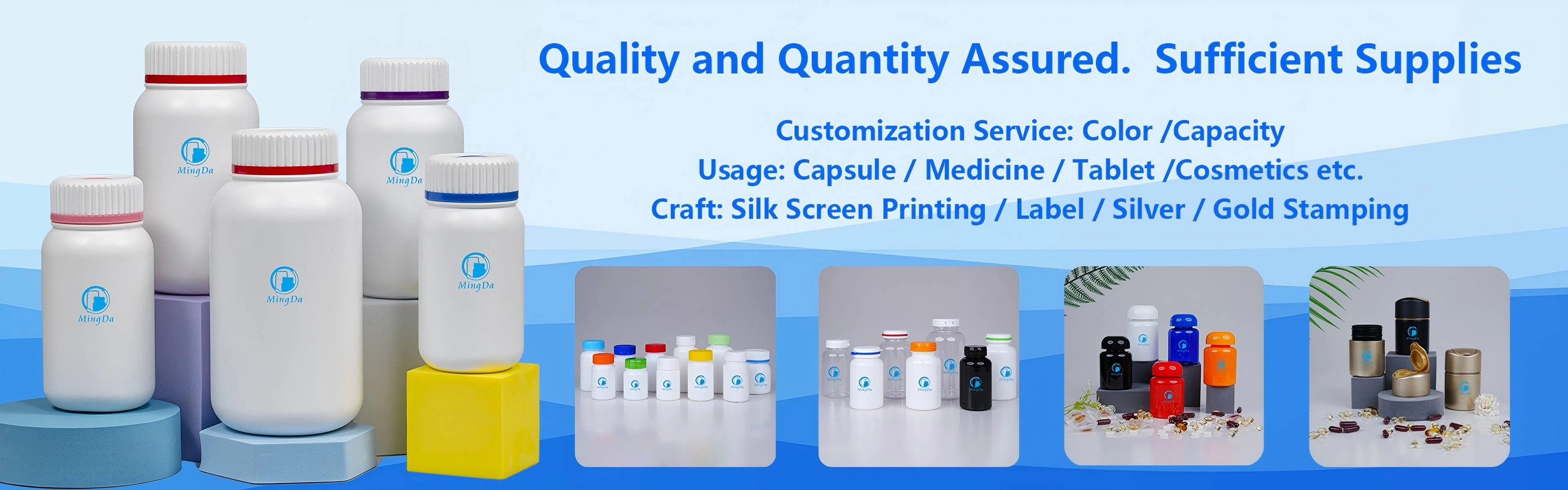
Understanding the material helps match the bottle to the product. For instance, HDPE works well for dietary supplements, while PET is better for items that benefit from high transparency and visual appeal.
3. Key Materials for Food Grade Bottles

HDPE (High-Density Polyethylene)
Strong, impact-resistant, and chemically stable. Ideal for powders, capsules, and liquids.

PET (Polyethylene Terephthalate)
Transparent, glossy, and with excellent barrier properties against oxygen and moisture. Suitable for solids and liquids alike.

PP (Polypropylene)
Lightweight, heat-resistant, and often used for caps and portable containers.
4. Important Features to Check
When I choose a bottle, I always check these features:
Airtightness – prevents contamination and extends shelf life.
Leak-proof design – ensures liquid or powder doesn't spill during transport.
Capacity and shape – round, square, wide-mouth, or special shapes affect usability and packaging.
Reusability or recyclability – aligns with sustainability goals.
Every feature contributes to product safety and user experience. Ignoring these aspects can lead to damaged products or safety risks.


5. Certifications and Standards
I always verify bottles with certifications:
- FDA approval – ensures compliance with US food contact standards.
- SGS or ISO certification – adds credibility and confirms quality management.
- QS or local food safety certifications – essential for regional compliance.
Checking certifications protects you from counterfeit or low-quality products and helps select a reliable manufacturer.
6. Common Mistakes Buyers Make
Many buyers focus only on appearance. I learned that looks can be misleading:
Choosing bottles labeled "food safe" without checking materials.
Selecting bottles not suitable for the product type (liquid vs powder).
Ignoring certifications and supplier credibility.
Avoiding these mistakes can save time, cost, and prevent potential product issues.
7. Tips for Choosing the Right Food Grade Bottle
Here are some practical tips I follow:
- Match material with product type – HDPE for powders, PET for visual products.
- Choose the right shape and size for usability and storage efficiency.
- Ensure the bottle has proper sealing and leak-proof design for transport.
- Discuss customization, OEM, or private labeling options with the manufacturer if needed.
These steps make the selection process more efficient and ensure the product remains safe and high-quality.
8. Conclusion
A truly food grade bottle combines certified materials, proper design, and reliable manufacturing. By understanding materials, checking certifications, and evaluating features like airtightness and leak-proof performance, buyers can confidently select bottles that protect products and meet regulatory requirements.
9. Optional Call-to-Action
If you are sourcing bottles for supplements, powders, or liquids, focus on HDPE and PET bottles with clear certifications. Reach out to manufacturers that offer OEM/ODM services to get custom bottles suited for your product line.