

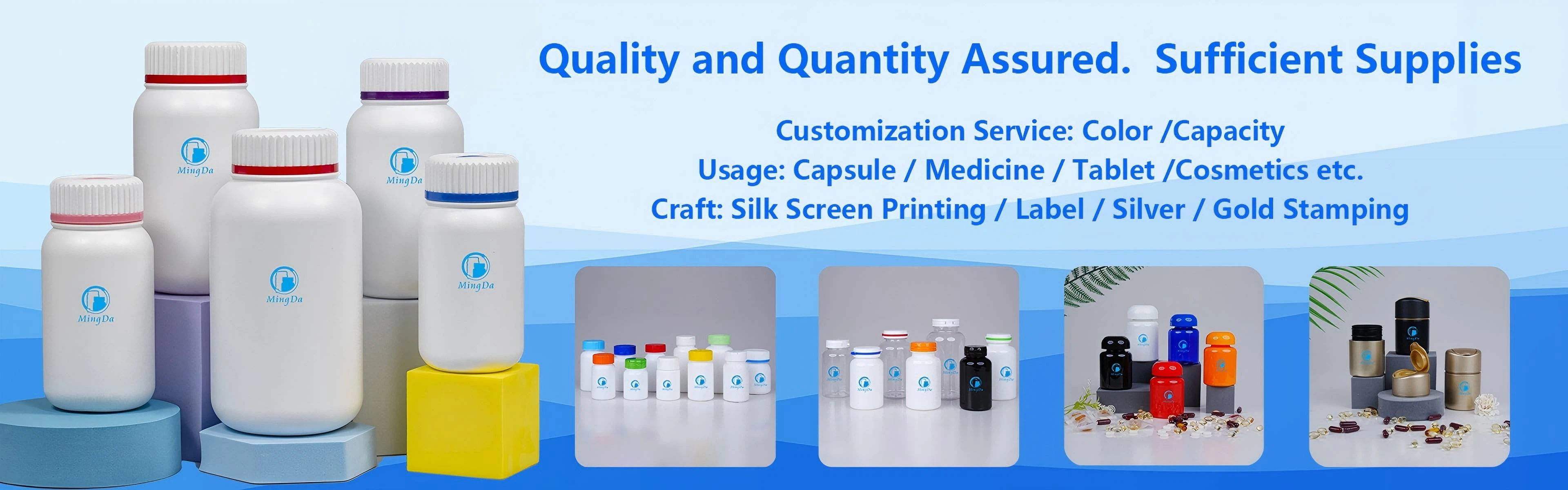

Choosing the right PP cap can make a significant difference in how your product performs, both on the shelf and during use. A well-selected cap protects the contents, enhances user experience, and even strengthens your brand image. I often see brands underestimate the importance of the cap, focusing only on the bottle. In reality, the cap acts as a gatekeeper for product safety, freshness, and convenience.
Understand the Types of PP Caps
PP caps come in various designs, each serving a unique purpose:

Screw Caps
They provide excellent sealing and are easy to produce. Ideal for supplements, chemicals, and general packaging.

Flip Top Caps
Designed for convenience, these caps allow users to open and close quickly. They are great for daily-use products.

Child-Resistant Caps
Required for pharmaceuticals and some supplements. They prevent accidental ingestion by children.

Tamper-Evident Caps
Perfect for products where safety and authenticity are critical. Any interference is immediately noticeable.
Choosing a cap type depends on the product's usage, user group, and regulatory requirements.
Consider the Material and Quality
I always check the PP material's properties before recommending a cap. PP (polypropylene) offers excellent chemical resistance, high-temperature tolerance, and lightweight strength. For food, supplements, or cosmetics, I recommend food-grade PP caps to ensure safety.
Beyond material, sealing performance matters. An airtight cap prevents leakage during shipping and storage. For chemical products, I also look for chemical-resistant PP caps to avoid reactions with the contents.
Match the Cap with Your Bottle
Size and threading compatibility is critical. A cap that doesn't fit perfectly can cause leakage or product damage. I always measure the neck diameter, thread type, and bottle height before selecting a PP cap.
For example:
HDPE bottles often use standard screw caps.
PET bottles may require precision-fit caps due to higher pressure from carbonation or vacuum sealing.
Wide-mouth bottles demand caps designed to cover larger openings securely.
Functional Features and User Experience
A cap should match the user's needs: easy-to-open for daily convenience, or secure locking for safety. I often test caps by hand to check smoothness, torque, and grip.
Additional features matter too: embossed logos, printed designs, or color coding can enhance branding and help users identify the product easily.
Industry-Specific Considerations
Food Products
Focus on airtight seals, moisture protection, and neutral taste.
Supplements & Pharmaceuticals
Prioritize child-resistance, tamper-evident design, and compliance with FDA or ISO standards.
Cosmetics
Emphasize aesthetic appeal, tactile feel, and brand alignment.
Cost and Supply Considerations
Price should balance quality. I advise buyers to avoid the cheapest option if it compromises performance. Customization options (OEM/ODM) allow logo printing, color matching, and special features.
Long-term supply reliability matters, especially for global brands. Check the manufacturer's production capacity and quality consistency before committing to large orders.
Conclusion
Selecting the right PP cap requires a balance of type, material, bottle compatibility, function, industry requirements, and cost. I recommend buyers carefully analyze each factor before choosing a cap. A well-chosen PP cap ensures safety, convenience, brand consistency, and long-term user satisfaction.