

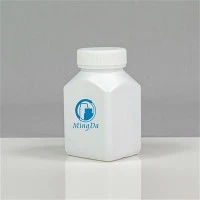
What Does "Shelf Life" Mean for Plastic Bottles?
The shelf life of a plastic bottle refers to the period during which it retains its physical and chemical properties without degradation, ensuring it remains safe, stable, and functional for its intended use. It's not about the product inside the bottle, but the bottle itself.
Average Shelf Life by Plastic Type
| Plastic Type | Common Uses | Typical Shelf Life |
|---|---|---|
| HDPE (High-Density Polyethylene) | Pharmaceuticals, food, cosmetics | 3–5 years |
| PET (Polyethylene Terephthalate) | Beverages, personal care | 2–3 years |
| PP (Polypropylene) | Caps, medical packaging | 3–4 years |
| LDPE (Low-Density Polyethylene) | Flexible tubes, squeeze bottles | 2–3 years |
HDPE bottles are particularly durable and resistant to moisture, chemicals, and UV, making them ideal for long-term storage.
Factors That Affect Plastic Bottle Longevity
Several external and internal factors can shorten or extend a plastic bottle's shelf life:
- Temperature: Excessive heat accelerates degradation.
- UV Exposure: Sunlight can break down plastic polymers over time.
- Humidity and Oxygen: Moisture and oxygen can affect structural integrity.
- Additives & Pigments: Some colorants and plasticizers may shorten stability.
- Storage Conditions: Cool, dry, and shaded environments maximize shelf life.
- Pro tip: Use UV-coated or opaque bottles to improve protection in light-sensitive applications.
How to Extend the Shelf Life of Plastic Bottles
If your product requires long-term packaging, here's how to boost plastic durability:
- Choose HDPE or PP for superior chemical resistance and structure.
- Opt for barrier coatings like UV to block oxygen and moisture.
- Avoid extreme temperatures in warehousing and transport.
- Request FDA- or ISO-compliant materials from reliable suppliers like Mingda.
- Use proper sealing and capping systems to prevent contamination and leakage.
FAQs About Plastic Bottle Shelf Life
Q: Can plastic bottles expire?
Technically, yes. Over time, plastic loses flexibility, may crack, or become brittle, especially under poor storage conditions.
Q: Are recycled plastic bottles less durable?
Not necessarily. High-quality PCR HDPE bottles, for instance, can perform as well as virgin plastic when processed correctly and tested thoroughly.
Q: How can I tell if a plastic bottle is still usable?
Check for discoloration, brittleness, cracking, or any smell. If in doubt, replace it.
Final Thoughts
So, how long do plastic bottles last? It depends on the material, storage conditions, and usage. But with the right plastic-especially HDPE-you can expect a reliable shelf life of up to 5 years.