

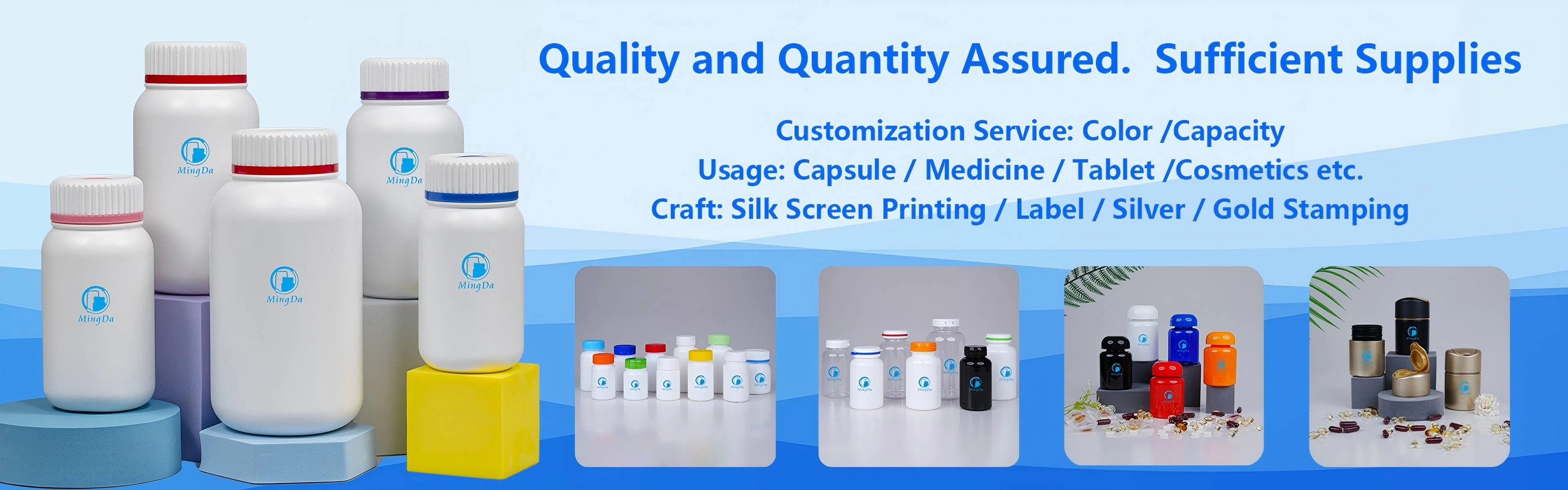




High-Density Polyethylene (HDPE) is a plastic that touches nearly every part of our lives, making up around 30% of all plastic packaging used worldwide. It's commonly seen in products like milk jugs, detergent bottles, and even piping. But while HDPE has certain eco-friendly characteristics, it still poses significant environmental challenges.
The Good: HDPE's Green Credentials
Despite its drawbacks, HDPE holds some impressive green credentials. Here's why it's considered one of the more eco-friendly plastics:
✔ Recycling Champion
HDPE has a significantly higher recycling rate compared to many other plastics. According to the EPA, while only about 12% of global plastic is recycled, HDPE boasts a recycling rate of over 30%. A classic example of HDPE's recycling potential is the transformation of used milk jugs into durable park benches or recycled plastic lumber for outdoor furniture. HDPE's clean structure makes it relatively easy to recycle, keeping it in use and out of landfills.
✔ Carbon Lightweight
One of HDPE's environmental advantages is that it is 40% lighter than glass. This reduction in weight leads to lower transportation emissions, making HDPE products more sustainable during shipping and distribution. Less energy is required to transport the same volume of material, which contributes to a smaller carbon footprint.
✔ Durable & Reusable
HDPE is well-known for its durability and long-lasting properties. Food-safe HDPE containers, like milk jugs, can be reused multiple times before reaching the end of their life cycle. Its ability to withstand wear and tear means it's less likely to contribute to single-use plastic waste compared to other materials, further reducing its environmental impact.
The Bad: Hidden Costs
While HDPE has several benefits, it also comes with some hidden environmental costs that can't be overlooked.
⚠ Fossil Fuel Footprint
HDPE production requires significant fossil fuel use. For every kilogram of HDPE, around 1.75 kilograms of crude oil and 8 kWh of energy are consumed. This process contributes to the depletion of fossil fuels and increases the carbon footprint associated with plastic production.
⚠ The Microplastic Timebomb
HDPE, like many plastics, doesn't biodegrade. Over time, UV rays from the sun break HDPE down into microplastics, which can persist in the environment for over 100 years. These tiny fragments infiltrate ecosystems, where they pose a threat to wildlife and may even enter the food chain, compounding the global plastic pollution crisis.
⚠ Recycling Reality Check
While HDPE has a relatively high recycling rate, only 9% of all plastics have ever been recycled successfully, according to a 2023 study in Nature. Many HDPE products are downcycled-transformed into products like plastic lumber, which can only be recycled a limited number of times before they must be sent to landfills. This creates a recycling dead-end, where the material's value diminishes with each cycle.
The Future: Solutions in Progress
The future of HDPE doesn't have to be a bleak one. Several innovative solutions are in the works to make HDPE more sustainable:
♻ Next-Gen Recycling
- Enzymatic Breakdown: Companies like Carbios are working on enzymes that can break down plastics, including HDPE, into their original building blocks. This could enable more efficient and complete recycling, preventing the downcycling problem.
- Infrared Sorting AI: New technologies, like infrared sorting, are being used to identify and sort plastics more effectively during recycling. This could significantly improve the efficiency of HDPE recycling systems.
🌱 Bio-HDPE Breakthroughs
Research is also focusing on bio-based HDPE, which is made from renewable sources like sugarcane. Companies like Braskem are already producing bio-HDPE, which has the same properties as traditional HDPE but a much lower carbon footprint. Additionally, algae-based polymers are being explored as a way to create sustainable, biodegradable alternatives to fossil-based HDPE.
📜 Policy Levers
Governments are also beginning to take action. Extended Producer Responsibility (EPR) laws are gaining traction globally, requiring manufacturers to be responsible for the entire life cycle of their products, including recycling. Furthermore, updates to the UN Plastic Treaty aim to bring about global change to address the plastic pollution crisis and push for more sustainable plastic practices.
Conclusion:
As consumers and businesses, we each have a part to play in addressing the environmental impact of HDPE.
Final Thought: "HDPE isn't the villain - but our disposable mindset is." By making conscious decisions today, we can help shape a more sustainable tomorrow.