

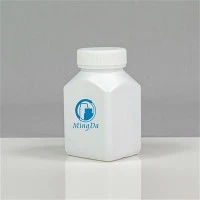
Common Causes of Leaks in PET Bottles
Material Flaws: Poor PET quality or inconsistent thickness can create weak points.
Design Issues: Weak neck threads or bottle seams lead to seal failures.
Sealing Defects: Improper capping and incorrect torque result in loose seals.
Critical Preventive Measures to Ensure Leak-Proof PET Bottles
1. Material Selection & Quality Control
- Use High-Grade PET Resin
Choose high-quality PET resin with consistent thickness to avoid weak spots that can lead to cracks or leaks.
- Pre-Production Testing
Test for stress cracks and weak points before production. This ensures your bottles won't fail under pressure.
2. Bottle Design Optimization
- Reinforce Critical Areas
Strengthen the neck, base, and seams of the bottle. These areas are most vulnerable to pressure and impact, so reinforcement is key.
- Ensure Perfect Thread Design
Precise thread and cap design are essential. Misaligned threads can lead to loose seals, a major cause of leaks.
3. Sealing & Capping Process
- Control Torque Precisely
Apply exact torque when capping bottles. Too much or too little can result in damaged seals, leading to leaks.
- Seal Integrity Tests
Conduct vacuum or pressure tests to verify seal strength. This ensures the bottles can handle real-world conditions without leaking.
4. Storage & Handling Best Practices
- Avoid Overfilling
Overfilling bottles increases internal pressure, risking seal failure and leaks. Stick to the recommended fill level.
- Protect from Temperature & Impact
Extreme temperatures or rough handling can weaken the PET material, making it more susceptible to cracks and leaks. Handle with care!
Conclusion
To prevent leaks in PET bottles:
- Use high-quality PET resin with consistent thickness.
- Reinforce critical areas like the neck, base, and seams.
- Ensure precise capping and seal tests.
- Follow proper storage and handling procedures.
Focusing on these key steps will ensure that your PET bottles are secure, durable, and leak-proof.