

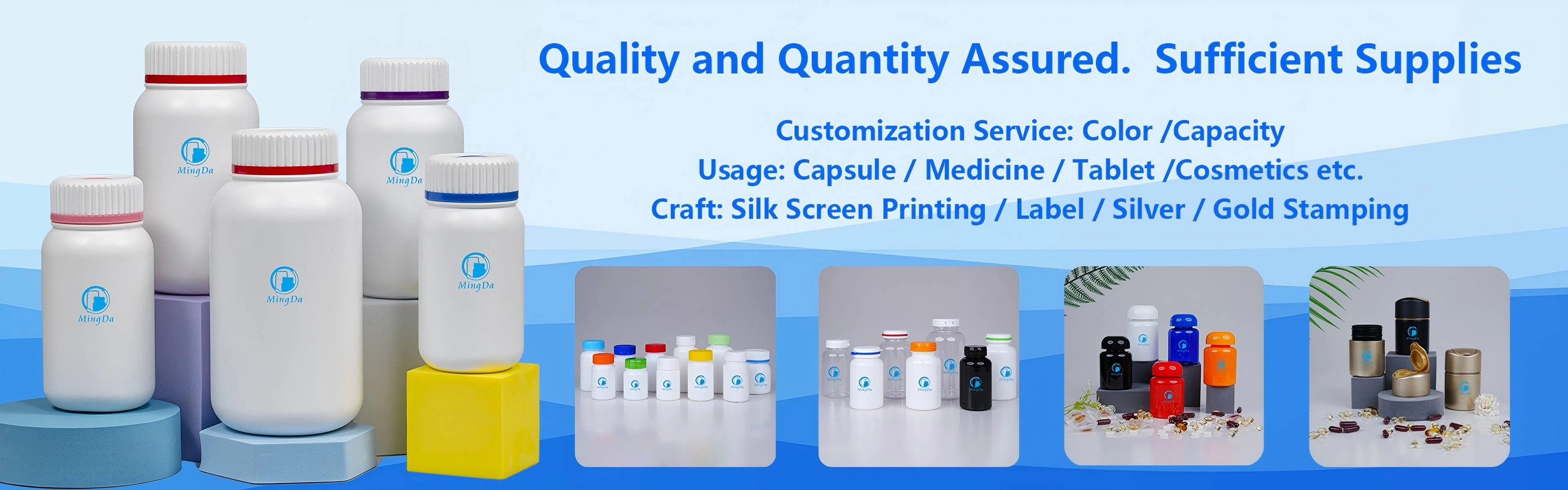
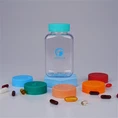
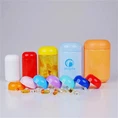
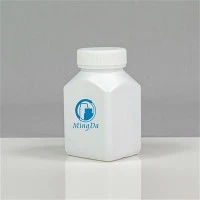
1. Standard Color Options for HDPE Packaging
HDPE can be easily pigmented to meet a variety of design and regulatory needs:
- Natural (Translucent or Milky White)
Common for chemical, pharmaceutical, and food applications
Allows visibility of product level while maintaining protection
- Solid Colors
- White – Clean, clinical, and often used in personal care and food
- Black – UV protection, industrial appearance
- Blue / Green / Red – Often used for visual identification in chemical or industrial packaging
- Custom Pantone Colors
Brands can match packaging to exact Pantone shades, enhancing identity and consistency across product lines
2. Coloring Techniques & Their Impact
Color is introduced into HDPE in different ways, each with unique implications:
- Masterbatch Pigment Additives
Added during molding, results in a durable, consistent color throughout
The most common and cost-effective method
- Surface Coating / Film Labeling
Applied after molding for special effects or gradients
More flexible but less durable; may affect recyclability
3. Factors That Affect Color Selection
- UV Stability
Some colors, especially bright or light ones, may fade over time under sunlight
UV-stabilized masterbatches can improve resistance
- Recycling Compatibility
Dark-colored HDPE (especially black) can interfere with optical sorting during recycling
Lighter and transparent shades are more recycling-friendly
4. Special Effect Finishes
Looking beyond standard colors, brands can create unique looks with:
- Pearlescent or Metallic Finishes – For premium appeal
- Gradient & Textured Designs – Achieved through printing or specialized molds
5. Industry-Specific Color Applications
Personal Care & Cosmetics:
White, natural, and pastel tones dominate for a clean, modern look
Industrial Packaging:
Dark colors or natural HDPE are preferred for durability and cost-efficiency
Food & Pharma:
Colors must often comply with FDA-approved pigments, ensuring product safety
Conclusion: Balancing Creativity, Function, and Sustainability
HDPE packaging offers a wide range of color possibilities, from simple translucent bottles to customized Pantone-matched, metallic-finish containers.
However, color selection also affects UV resistance, recyclability, and regulatory compliance-factors brands must weigh carefully. As the industry moves toward sustainable packaging, eco-compatible color design is becoming just as important as visual appeal.