

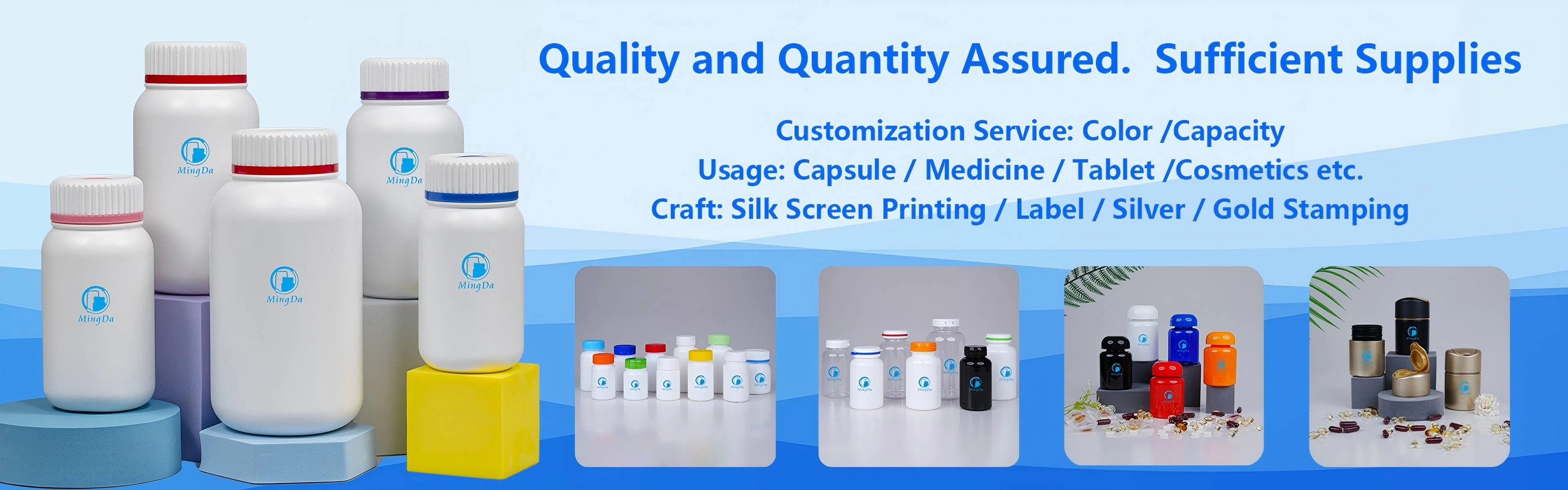



High-Density Polyethylene (HDPE) is a widely used plastic known for its strength, durability, and versatility.
1. Observing the Appearance
When evaluating HDPE products, start by inspecting the surface characteristics:
Smooth Surface: High-quality HDPE should have a smooth, even surface with no visible impurities. Any surface irregularities, like rough patches or inconsistencies, may indicate lower-quality material.
Uniform Color: Premium HDPE products will feature a consistent color across the entire item. Any color streaking or discoloration could point to inferior material or manufacturing issues.
No Defects: Ensure the product is free from defects such as bubbles, cracks, or deformation. These imperfections compromise the material's integrity and may lead to product failure over time.
2. Checking Physical Properties
High-quality HDPE is renowned for its impressive strength and durability:
Strength and Toughness: A reliable HDPE product should be resistant to tearing or breaking under pressure. Check for materials that have high tensile strength and are less prone to cracking.
Impact Resistance: Good HDPE can withstand impact without breaking. Look for products that show excellent shock resistance, even in harsh environments.
Abrasion Resistance: HDPE that resists wear and tear over time will maintain its form and function longer, even in high-friction environments.
3. Verifying Chemical Stability
One of the key benefits of HDPE is its superior chemical stability:
Resistant to Acids and Alkalis: High-quality HDPE should offer excellent resistance to chemicals, including acids, alkalis, and solvents. This makes it ideal for a wide range of industries, from food packaging to industrial containers.
Corrosion Resistance: Ensure the material will not corrode when exposed to moisture or other environmental elements. HDPE is naturally resistant to corrosion, which contributes to its long lifespan.
Odor-Free and Environmentally Friendly: Genuine HDPE products are free from unpleasant odors and meet environmental standards. Verify that the material is non-toxic and eco-friendly.
4. Checking Certifications and Labels
When buying HDPE products, make sure they have the necessary certifications:
International Certifications: Reliable HDPE products will typically carry recognized certifications such as ISO (International Organization for Standardization) or FDA (Food and Drug Administration). These certifications ensure that the product meets stringent quality and safety standards.
Material Grade: Quality HDPE should have clear labeling that identifies the material grade, such as HDPE 5000S. This grade specifies the material's performance capabilities, helping you choose the right product for your needs.
5. Testing Real-World Performance
Before committing to any HDPE product, it's important to test its functionality in real-world conditions:
Weight Bearing Capacity: Test whether the HDPE product can support the weight load it's intended for, without distortion or failure.
Temperature Resistance: Depending on your application, you may need HDPE that can withstand extreme temperatures. Ensure the product remains stable and functional in the temperature range you require.
Conclusion
Identifying high-quality HDPE products is crucial for maximizing durability, performance, and safety. By observing key indicators such as appearance, physical properties, chemical stability, certifications, and real-world performance, you can confidently select the best HDPE for your packaging needs.
Investing in quality not only ensures the longevity of your products but also enhances consumer satisfaction and brand reliability. Make sure you choose HDPE products that meet all the necessary standards for the best results.