




1. Why Bottle Sizes and Neck Finishes Matter
When I choose plastic bottles for a product project, I always check the bottle size and neck finish first. These two simple numbers decide how easy it is to fill the bottle, how well it seals, and how stable it stays during shipping. If I pick the wrong neck finish, even the best bottle becomes a problem-caps won't fit, leaks happen, and the whole packaging line slows down.
2. Common Plastic Bottle Sizes You'll See in the Market
I break bottle sizes into three groups because each group fits a different use case.
2.1 Small Sizes (10ml–100ml)
These sizes work well for sample packs, travel kits, test orders, essential oils, and mini supplement bottles. Sellers who launch new products often rely on these because buyers usually prefer testing small units first.


2.2 Medium Sizes (150ml–300ml)
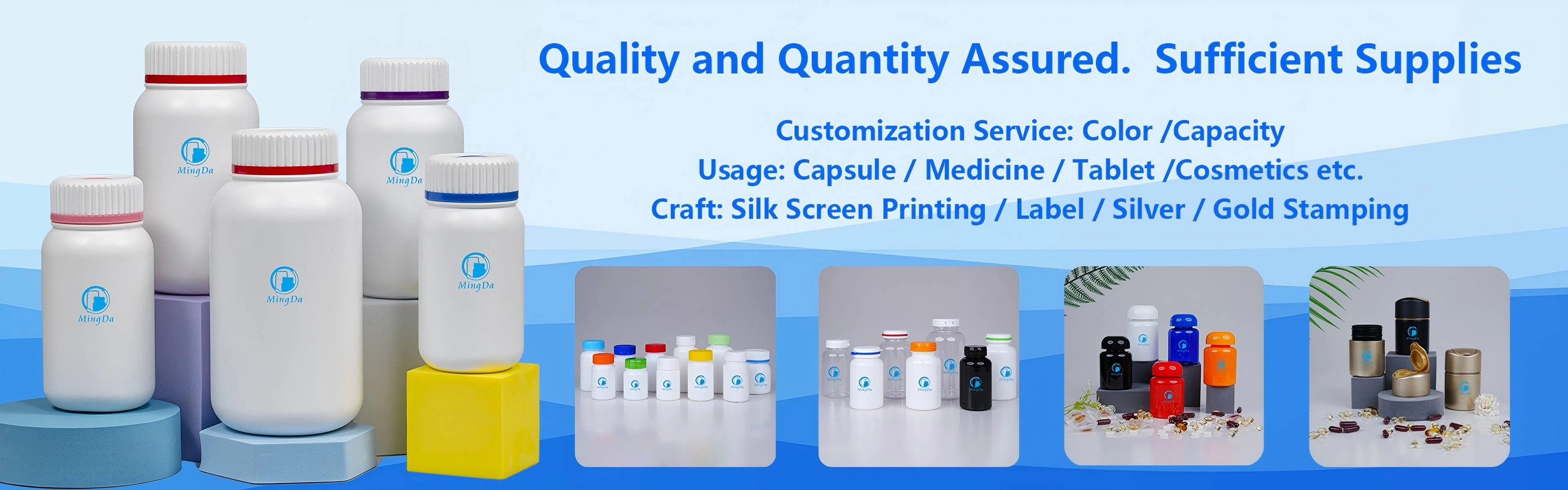
This is the most popular range in the supplement and vitamin market. Sizes like 180ml, 250ml, 275ml, and 300ml fit tablets, capsules, and gummies perfectly. Most brands I've worked with pick something in this range because it feels "just right" in hand and presents well on shelves.


2.3 Large Sizes (400ml–1000ml)
Larger bottles work well for protein powder, pet products, snacks, cleaning products, or large-portion functional foods. Sizes from 500ml to 1L consistently show strong demand, especially in the U.S. and Europe.


3. How Bottle Shapes Affect Size Choice
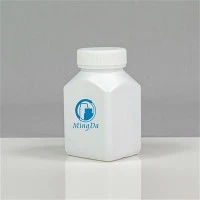
I often remind buyers that capacity isn't everything. Bottle shape changes how a product feels in the hand and affects how the label fits. Rounded bottles offer better grip and stability, while square bottles use shelf space more efficiently. A tall shoulder may look premium, but it can reduce fill volume visually.


4. Understanding Neck Finishes: What Those Numbers Mean
4.1 What is a Neck Finish?
When I see numbers like 38/400 or 45/410, I immediately know the bottle's diameter and thread style. The first number is the bottle opening width (mm), and the second number represents the thread style. Even if two bottles share a "45mm" neck, different thread types make their caps incompatible.
4.2 The Most Common Neck Finishes
- 28/400: Commonly used for liquids and dietary supplements.
- 33/400: Suitable for powders and small granule products.
- 38/400 & 38/410: Often used for food products and milk powder.
- 45/400 & 45/410: The most common neck finishes for vitamin bottles in the US and Europe.
- 53/400 & 63/400: Wide-mouth sizes typically used for protein powder and pet food.
These sizes keep showing up because they balance sealing, filling, and cap availability.
4.3 Why Thread Structure Matters
A good matching thread prevents leaks, helps with torque strength, and works well with sealing liners like pressure-sensitive liners or induction foil seals.
5. How to Match Bottles with Caps Correctly
I always check three things before placing an order:
- Neck finish numbers match exactly
- Cap thread type matches the bottle
- Sealing liner type fits the product (pressure-sensitive, foil seal, etc.)
If any of these don't match, leaks and customer complaints are almost guaranteed.

6. Tips for Choosing the Best Size and Neck Finish
I usually follow these principles:
- Choose the size based on density, dosage, and serving count
- Pick neck sizes that match your filling machine
- Avoid overly small openings for powders
- Check label height vs. bottle body height
- Always test the cap torque and sealing
7. Final Advice: What I Always Check Before Ordering
Before I confirm any production run, I always request samples and check:
- Wall thickness
- Weight consistency
- Neck tolerance
- Thread smoothness
- Sealing liner quality
Bottle size and neck finish seem simple, but they decide whether a packaging project runs smoothly or becomes a headache.