

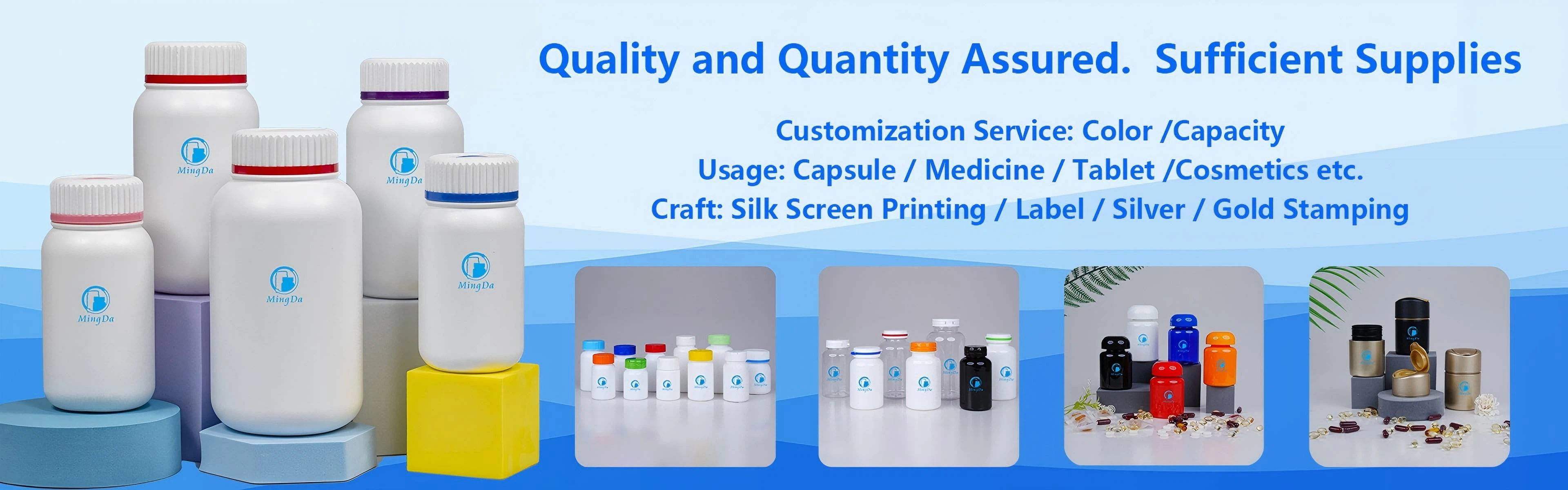




High-Density Polyethylene, or HDPE, is one of the most widely used plastics in the world. It's known for its strength, durability, and versatility. But if you're wondering whether HDPE is safe to use, especially in food packaging or everyday items, you've come to the right place. In this article, we'll explore what HDPE is, whether it's toxic, and answer some common questions about this plastic material.
What is HDPE Plastic?
HDPE stands for High-Density Polyethylene. It's a thermoplastic made from petroleum, with a high-density molecular structure that gives it its strength and resistance to impact. HDPE is commonly used in a wide range of products such as bottles, containers, pipes, and even toys. Its unique properties, including its high resistance to chemicals and its durability, make it ideal for both industrial and consumer applications.
Is High-Density Polyethylene Toxic?
When it comes to safety, HDPE is widely considered to be one of the safest plastics available. According to multiple scientific studies and regulatory organizations such as the FDA (Food and Drug Administration), HDPE is non-toxic and does not leach harmful chemicals into food or liquids. In fact, HDPE is approved for food and beverage packaging and is often used in milk cartons, juice bottles, and other food-related products.
Moreover, HDPE is not associated with any significant health risks when used correctly. It is also considered a safer plastic option compared to other types of plastic that may release toxic substances when heated or exposed to harsh conditions.
Frequently Asked Questions
3.1. What Are Common Applications of HDPE Plastic?
HDPE is used in a wide variety of products. Some of the most common applications include:
Food and beverage packaging: Milk jugs, juice bottles, and food containers.
Household products: Trash bags, detergent bottles, and plastic bags.
Industrial uses: Pipes, plastic lumber, and industrial containers.
Toys: Some plastic toys and outdoor play equipment.
3.2. Is HDPE Safe for Food Use?
Yes, HDPE is considered safe for food use. It has been approved by the FDA for direct food contact, meaning it doesn't pose a risk of leaching harmful chemicals into food or beverages. It's a commonly used material for packaging products such as milk, juice, and other liquid-based foods. However, it's important to note that HDPE should be used within its recommended temperature range to ensure safety. When exposed to extreme heat, like in a microwave, HDPE may begin to degrade.
3.3. What Are the Key Features of HDPE Plastic?
HDPE has several distinctive features that make it a popular choice for various applications:
Durability: HDPE is tough and resistant to physical damage such as cracking, breaking, or denting.
Chemical resistance: It resists a wide range of chemicals, making it ideal for industrial and chemical storage.
Lightweight: Despite its strength, HDPE is lightweight, which makes it ideal for shipping and handling.
Recyclability: HDPE is one of the most commonly recycled plastics, making it an environmentally friendly option.
Conclusion: Is HDPE Safe?
In conclusion, HDPE is not toxic and is considered safe for a variety of applications, including food packaging. Its durability, resistance to chemicals, and recyclability make it a top choice for both industrial and consumer products. Whether you're using HDPE for food containers, household items, or industrial applications, you can be confident that it poses no significant health risk when used properly.