

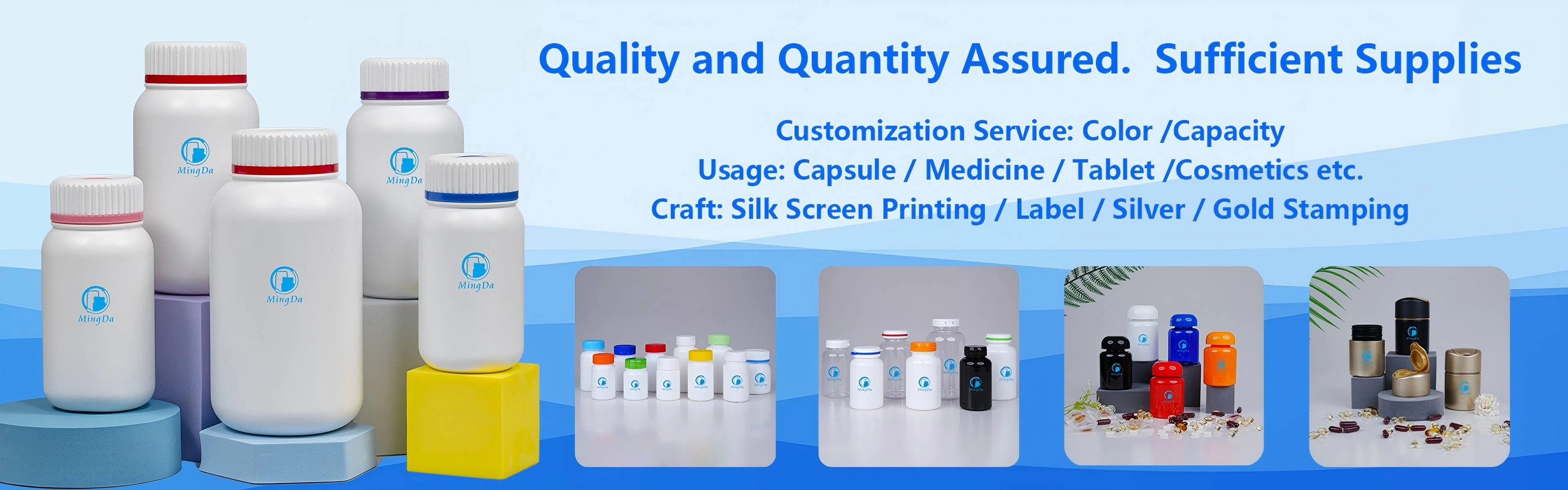



When it comes to choosing the right plastic for packaging, two of the most commonly used materials are HDPE (High-Density Polyethylene) and PET (Polyethylene Terephthalate). But how do you know which one is best suited for your needs? In this article, we'll compare HDPE and PET in terms of key characteristics such as temperature range, stress cracking resistance, gas barrier properties, and recyclability. Let's dive in!
What is HDPE Plastic?
HDPE (High-Density Polyethylene) is a type of plastic made from petroleum. Known for its strength and durability, it is often used in products like milk jugs, detergent bottles, and food containers. HDPE is highly resistant to impact and can withstand temperatures ranging from -100°F to 120°F (-73°C to 49°C), making it a popular choice for outdoor and industrial applications.
What is PET Plastic?
PET (Polyethylene Terephthalate) is a clear, lightweight plastic commonly used for beverage bottles, food packaging, and cosmetic containers. It is known for its excellent clarity, making it ideal for packaging products that need to be visually appealing. PET is resistant to wear and tear and can be used in temperatures ranging from -40°F to 160°F (-40°C to 71°C).
Major Differences Between PET and HDPE
-
Temperature Range
Both HDPE and PET have wide temperature ranges, but they perform differently in extreme conditions. HDPE is more suitable for applications that require handling cold or moderately warm temperatures, making it a good option for products like milk jugs and household cleaning products. PET, on the other hand, is better suited for beverages and food containers that may be exposed to higher temperatures (up to 160°F or 71°C).
-
Stress Cracking Resistance
One of the major differences between PET and HDPE is their resistance to stress cracking. PET is generally more prone to stress cracking than HDPE, especially under certain conditions such as high humidity or exposure to chemicals. This makes HDPE a better choice for containers that will experience physical stress, such as industrial or outdoor packaging.
-
Gas Barrier Properties
PET has superior gas barrier properties compared to HDPE. This means PET is more effective at protecting the contents of the container from oxygen and moisture, which is crucial for packaging perishable products like beverages and food items. HDPE, while still providing a moderate barrier, does not offer the same level of protection as PET, making it less ideal for long-term storage of sensitive products.
-
Recyclability
Both HDPE and PET are recyclable, but the recycling process for each material differs. PET is widely recycled and can be converted into new bottles or even clothing and carpeting. HDPE, on the other hand, is also recyclable, but it is less commonly recycled in some regions compared to PET. However, HDPE is still a preferred material for many applications due to its robust recyclability.
Conclusion: Which Plastic is Better for You?
In the battle between HDPE and PET, both materials have their strengths and ideal use cases. HDPE excels in applications requiring durability and resistance to physical stress, while PET is ideal for packaging that needs excellent clarity and gas barrier properties. If you need packaging for beverages or perishable products, PET is likely your best choice. If you need durable, stress-resistant packaging for industrial or outdoor use, HDPE could be the better option.