





When it comes to beverage packaging, the type of plastic used plays a crucial role in product safety, shelf life, and recyclability. Many people wonder whether Coca-Cola bottles are made of HDPE (High-Density Polyethylene). The answer is no-Coca-Cola bottles are typically made from PET (Polyethylene Terephthalate), not HDPE. Let's explore why.
PET vs. HDPE: What's the Difference?
PET (Polyethylene Terephthalate)
Appearance: Clear and glass-like, offering high transparency.
Strength: Lightweight yet impact-resistant.
Barrier Properties: Excellent at preventing gas and moisture penetration, keeping carbonated drinks fresh and fizzy.
Common Uses: Soft drink bottles, water bottles, juice containers.
HDPE (High-Density Polyethylene)
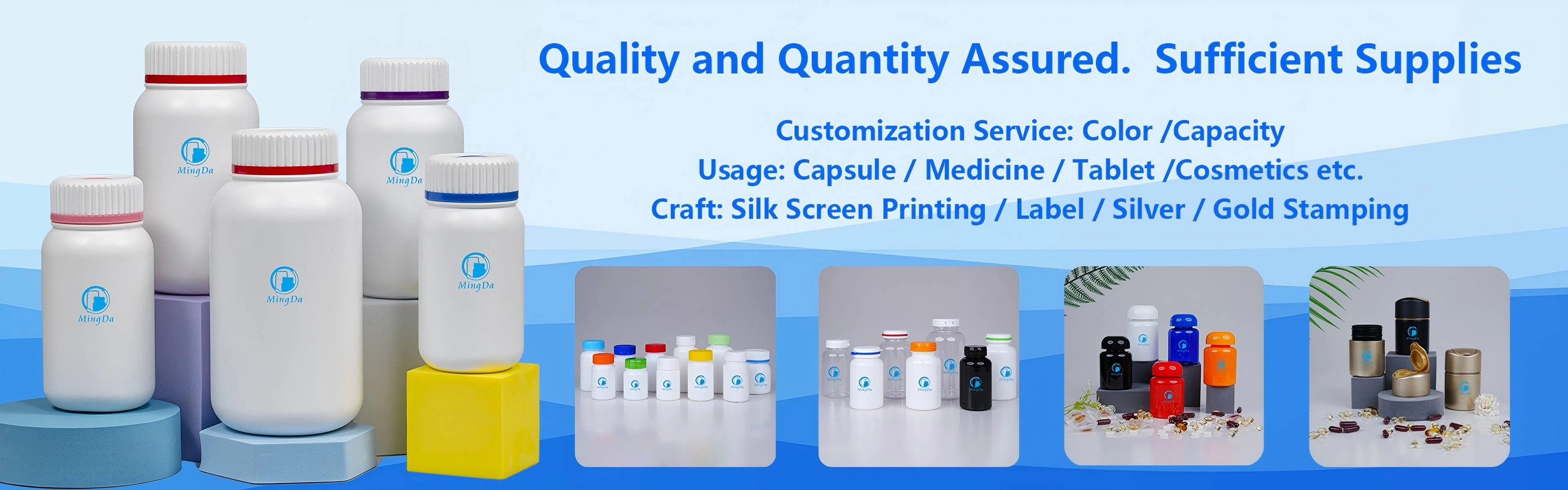
Appearance: Usually opaque or translucent, not fully transparent.
Strength: Strong, rigid, and resistant to impact.
Barrier Properties: Good for moisture resistance, but less effective for carbon dioxide retention.
Common Uses: Milk jugs, detergent bottles, pill bottles, and some food containers.
Why Coca-Cola Uses PET Instead of HDPE
Coca-Cola bottles need to maintain carbonation for an extended shelf life. PET provides the perfect balance of clarity, strength, and gas barrier properties, which HDPE cannot match for carbonated beverages. PET bottles also allow consumers to see the drink inside, which is part of Coca-Cola's marketing appeal.
Environmental Considerations
Both PET and HDPE are recyclable plastics, commonly collected in curbside recycling programs. PET bottles are often recycled into new beverage bottles, polyester fibers, and food packaging. Coca-Cola has publicly committed to increasing the recycled PET content in its bottles to reduce environmental impact.