

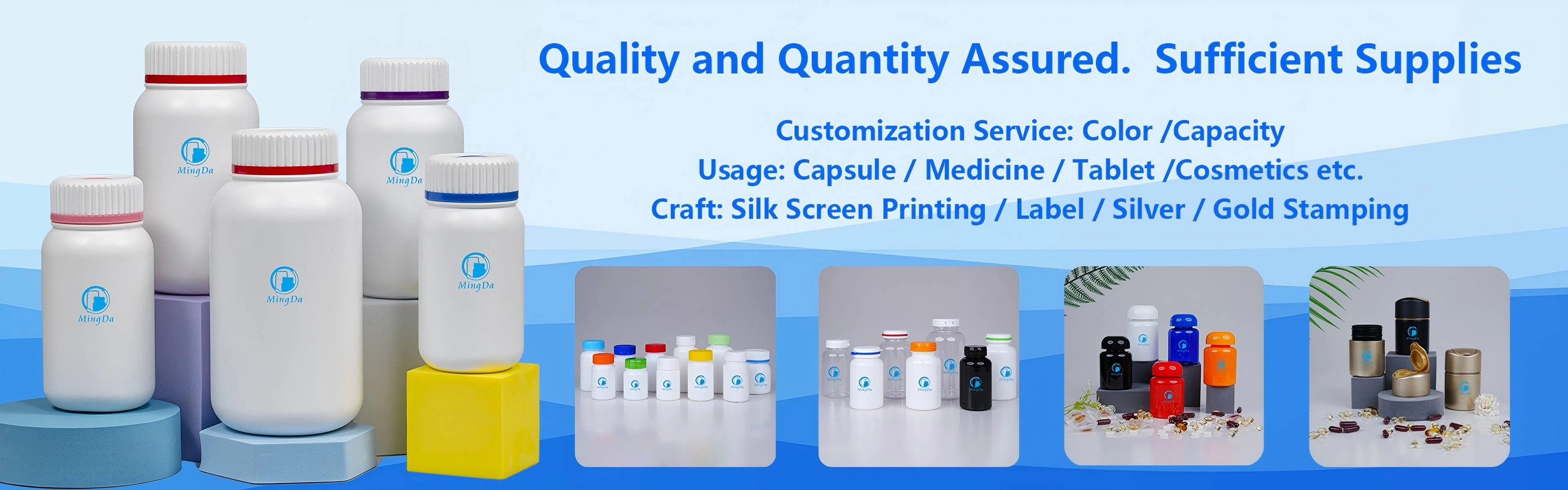
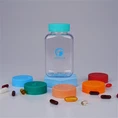
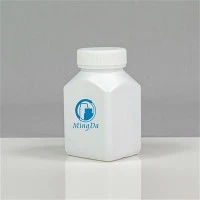
High-Density Polyethylene (HDPE) is one of the most widely used plastics for food packaging, including milk jugs, juice bottles, water containers, and food storage bins. Its popularity comes from its durability, light weight, and strong resistance to moisture and chemicals. But many consumers still have one concern - does HDPE leach into food?
What Is HDPE?
HDPE is a thermoplastic polymer made from petroleum. It has a high strength-to-density ratio, making it ideal for manufacturing rigid bottles, caps, and containers. In the food industry, HDPE is commonly used because it is non-reactive, meaning it does not easily interact with food contents.
Is HDPE Food Safe?
HDPE is considered food-safe by regulatory agencies such as the U.S. Food and Drug Administration (FDA) and the European Food Safety Authority (EFSA). It is BPA-free, does not contain phthalates, and does not release harmful plasticizers under normal use conditions.
When manufactured correctly, HDPE packaging passes strict quality tests to ensure it does not release unsafe chemicals into food. Many food-grade HDPE products are certified according to ISO and FDA standards.
Does HDPE Leach Into Food?
Under normal temperature and usage conditions, HDPE does not significantly leach into food or beverages. Research shows that migration levels from food-grade HDPE are extremely low, well within the safety limits set by health authorities.
However, exposure to extreme heat (such as boiling liquids, high-temperature sterilization, or direct flame) can increase the risk of minor chemical migration. For this reason, HDPE containers are generally not recommended for microwave heating or prolonged exposure to boiling temperatures unless specifically designed for it.
Factors That Affect HDPE Safety
Temperature – Higher temperatures can increase migration risk.
Acidity of Food – Highly acidic or fatty foods may have a slightly higher interaction rate with plastic surfaces.
Container Quality – Low-grade or recycled HDPE not meant for food contact may have contaminants. Always use certified food-grade HDPE.
How to Use HDPE Containers Safely
Choose FDA-approved food-grade HDPE products.
Avoid prolonged exposure to high heat.
Store foods at recommended temperatures.
Replace old, cracked, or damaged containers.