

Infant Nutrition Products Need More Than Safe Ingredients
For infant nutrition brands, packaging is far more than a container that holds a product. It plays an important role in protecting product quality, maintaining stability during storage, and building consumer confidence.
A bottle of infant vitamins, probiotics, DHA supplements, or nutritional powder may go through multiple stages before reaching the final consumer, including production, warehousing, international transportation, and retail storage. Throughout this process, the packaging must continue to protect the product from moisture, environmental changes, and potential contamination risks.
Compared with ordinary consumer packaging, infant nutrition packaging requires higher standards. Brands need to consider not only material safety but also sealing performance, durability, product compatibility, and long-term supply reliability.
Among different plastic packaging solutions, BPA-Free HDPE bottles have become a preferred choice for many infant nutrition and dietary supplement brands because they provide a strong balance between safety, protection, and manufacturing flexibility.
Why Are HDPE Bottles Suitable for Infant Nutrition Packaging?
Stable Material Performance for Long-Term Product Protection
HDPE (High-Density Polyethylene) is one of the most commonly used plastic materials in food, dietary supplement, and pharmaceutical packaging industries.
For infant nutrition products, material stability is especially important because the packaging remains in direct contact with the product throughout its shelf life. Products such as vitamins, minerals, probiotics, and DHA supplements often require long-term storage, which means the packaging material must maintain reliable performance over time.
HDPE has excellent chemical resistance and stable physical properties, helping reduce potential interactions between the packaging material and the product inside. This makes HDPE bottles widely used for tablets, capsules, powders, and other solid nutritional supplements.
The role of packaging is not simply to contain the product.
It is to protect the product throughout its entire lifecycle.
This is one of the main reasons why many international nutrition brands choose HDPE bottles as their primary packaging solution.


How Do HDPE Bottles Protect Infant Nutrition Products?
Moisture Protection for Powder and Solid Nutrition Products
Moisture control is one of the most important challenges in infant nutrition packaging.
Many products, including infant nutrition powders, probiotic powders, vitamin powders, and functional nutritional supplements, require protection from humidity during storage and transportation.
Excess moisture may affect product quality, causing powder clumping, reducing product stability, or influencing the overall consumer experience.
HDPE bottles provide good moisture resistance due to their material characteristics, helping reduce the risk of external humidity entering the container.
However, reliable protection does not depend only on the bottle material. A complete packaging system usually combines the bottle with appropriate sealing solutions, such as induction foil seals, inner liners, and high-performance closures.
For infant nutrition brands, packaging safety comes from the entire system rather than a single component.
HDPE Bottle Applications in Infant Nutrition Products
Infant Vitamin and Mineral Supplement Bottles
Infant vitamin products are one of the most common applications for HDPE bottles.
These products may include vitamin D supplements, calcium supplements, iron supplements, and zinc products, usually provided in forms such as tablets, capsules, or gummies.
Because these products are stored for extended periods and frequently opened by consumers, packaging durability and sealing performance are critical.
HDPE bottles provide stable protection while allowing brands to customize different capacities, colors, bottle designs, and closure options according to market requirements.
Probiotic Supplement Packaging
Probiotic products often have higher requirements for storage stability because their active ingredients may be sensitive to environmental conditions.
Although packaging requirements vary depending on the specific formulation, maintaining a stable internal environment is always an important factor in protecting product quality.
HDPE supplement bottles can provide reliable physical protection and can be combined with moisture-control solutions, such as desiccants and sealing systems, to improve storage performance for probiotic capsules and powders.
DHA and Omega-3 Supplement Bottles
DHA and Omega-3 supplements are commonly produced in softgel capsule formats, which require packaging with good sealing performance and mechanical strength.
HDPE bottles are widely used for these products because they provide durability and can work together with induction seals, tamper-evident solutions, and child-resistant closures.
For international nutrition brands, this type of packaging solution is also suitable for global transportation environments where products may experience different temperatures and handling conditions.
Infant Nutrition Powder Containers
Nutrition powders usually require larger packaging space and frequent opening during daily use.
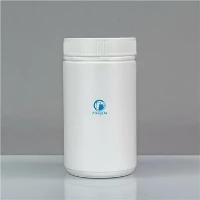
Wide-mouth HDPE bottles are therefore commonly selected for products such as children's nutrition powders, functional food powders, and nutritional supplement powders.
The wide-mouth design allows easier product access, while the HDPE material provides reliable protection during storage and transportation.
For powder-based nutrition products, packaging convenience and product protection must work together.
A Practical Example: Choosing HDPE Bottles for Infant Supplement Products
When a brand develops a new infant vitamin or probiotic supplement, the packaging selection process usually involves several considerations.
For example, a company planning to sell 100,000 bottles of infant supplements in overseas markets may need packaging that can maintain product stability during months of storage and international transportation.
In this situation, the buyer may evaluate whether the bottle provides sufficient moisture protection, whether the closure system can prevent leakage, and whether the supplier can maintain consistent quality across large production batches.
A suitable HDPE bottle solution can help the brand balance product protection, transportation efficiency, and manufacturing cost while meeting market expectations.
HDPE vs PET Bottles: Which Is Better for Infant Nutrition Packaging?
Both HDPE and PET bottles are widely used in food and nutrition packaging, but they serve different purposes.
HDPE bottles focus more on protection performance. With excellent impact resistance, moisture protection, and chemical stability, HDPE is commonly used for tablets, capsules, powders, and products requiring long-term storage.
PET bottles, on the other hand, are often selected when visual presentation is an important part of the product strategy. Their high transparency allows consumers to see the product inside, making them suitable for liquid supplements, premium nutrition products, and products that require stronger shelf appeal.
For example, liquid vitamins, DHA oils, and functional nutrition drinks may benefit from PET packaging because of its clear appearance and brand presentation advantages.
Therefore, HDPE and PET are not competitors with one being universally better than the other. The right choice depends on the product characteristics, storage requirements, and brand positioning.
For products where protection and stability are the priority, HDPE bottles are often the preferred solution. For products where transparency and appearance are more important, PET bottles may provide additional value.
BPA-Free Is Only the Starting Point of Packaging Safety
Many buyers pay attention to BPA-Free packaging because it represents an important consideration for material safety.
However, professional packaging procurement requires looking beyond a single statement.
A reliable infant nutrition packaging solution depends on a complete quality management system, including raw material control, production environment, inspection procedures, sealing performance, and transportation testing.
Food-grade materials, clean production conditions, dimensional inspections, leak testing, and quality consistency all contribute to the final packaging performance.
A professional packaging manufacturer does not simply provide a bottle.
It provides a reliable packaging solution that helps brands reduce risks and improve market competitiveness.
How to Choose a Reliable HDPE Bottle Supplier?
When selecting an infant nutrition packaging supplier, brands should evaluate more than product price.
A supplier with experience in food, supplement, and pharmaceutical packaging will better understand the requirements of different products and markets.
Manufacturing capability is also important. Stable production capacity, strict quality control systems, customization ability, and export experience all influence long-term cooperation.
For international brands, a reliable packaging partner can help reduce supply risks and ensure consistent product quality across different markets.
Conclusion: Reliable Packaging Helps Build Trust in Infant Nutrition Brands
For infant nutrition products, packaging safety is just as important as product formulation.
BPA-Free HDPE bottles have become an important packaging choice for many nutrition brands because of their stable material performance, moisture protection, durability, and wide application range.
From infant vitamins and probiotics to DHA capsules and nutrition powders, HDPE bottles provide reliable protection for different types of nutritional products.
Choosing the right packaging material and working with an experienced manufacturer are essential steps for brands that want to develop safe, stable, and competitive infant nutrition products.
A good package does more than protect a product.
It helps a brand communicate safety, quality, and trust.