



Environmental Regulations Are Changing Plastic Bottle Purchasing Decisions
In the past, global buyers usually focused on several key factors when sourcing plastic bottles, including product price, quality consistency, production capacity, and delivery time. For pharmaceutical, supplement, food, and personal care brands, a packaging solution that could meet filling requirements and provide stable supply was often enough to enter the supplier evaluation process.
However, the plastic packaging industry is now experiencing significant changes. As more countries strengthen environmental regulations and improve packaging management systems, buyers are no longer evaluating plastic bottles only based on their basic functions.
Future packaging decisions will also need to consider whether materials match sustainability trends, whether the packaging structure supports recycling, and whether suppliers can provide sufficient material information and technical support.
EPR (Extended Producer Responsibility) has become one of the important environmental policies influencing the global packaging industry. According to the OECD, EPR is a policy approach that extends producers' responsibility to different stages of a product's lifecycle, including the post-consumer stage. OECD Extended Producer Responsibility Report
In Europe, packaging regulations are also becoming stricter. The European Commission has introduced the Packaging and Packaging Waste Regulation (PPWR), which establishes requirements related to packaging design, recycling, and waste management for products placed on the EU market. European Commission Packaging Waste Regulations
For plastic bottle packaging, EPR does not mean that plastic packaging will disappear from the market. Plastic continues to play an important role in many industries because of its lightweight structure, durability, chemical resistance, and cost efficiency.
The key industry change is moving from a traditional "produce-use-dispose" model toward a more circular packaging system, where material selection, product design, and recycling possibilities are considered together. The Ellen MacArthur Foundation highlights that a circular economy approach focuses on eliminating unnecessary waste, circulating materials, and improving packaging design. Ellen MacArthur Foundation Plastics Vision.
Plastic continues to play an important role in pharmaceutical packaging, supplement packaging, food packaging, and many other industries because of its lightweight, durability, and cost advantages.
The real change is in purchasing standards.
In the future, brands and importers will pay more attention to material selection, packaging design, recyclability, and the supplier's ability to provide long-term packaging solutions.
How EPR Is Driving Changes in the Plastic Packaging Industry
The core idea of EPR is that companies should take more responsibility throughout the entire lifecycle of packaging products. From material production and manufacturing to product use and recycling, packaging is no longer considered only a container but also an important part of environmental management.
In the past, packaging buyers mainly focused on production-related factors, such as bottle dimensions, appearance, sealing performance, and delivery reliability. However, as sustainability requirements increase, buyers need to consider additional factors, including how packaging materials can be managed after use and whether they fit future market expectations.
For plastic bottle manufacturers, this trend is changing the way packaging solutions are developed. Suppliers are expected not only to produce bottles but also to provide guidance on material selection, packaging design, and application requirements.
Therefore, future competition in the plastic bottle industry will not only depend on manufacturing capacity. Material knowledge, quality management, and the ability to provide complete packaging solutions will become increasingly important.
Material Selection Will Become More Important for Plastic Bottle Packaging
Under the influence of EPR trends, material selection will become a key consideration for packaging buyers.
In the past, buyers mainly evaluated plastic bottles based on factors such as price, appearance, capacity, and performance. However, future sourcing decisions will require a deeper understanding of material characteristics, recyclability, and supply chain transparency.
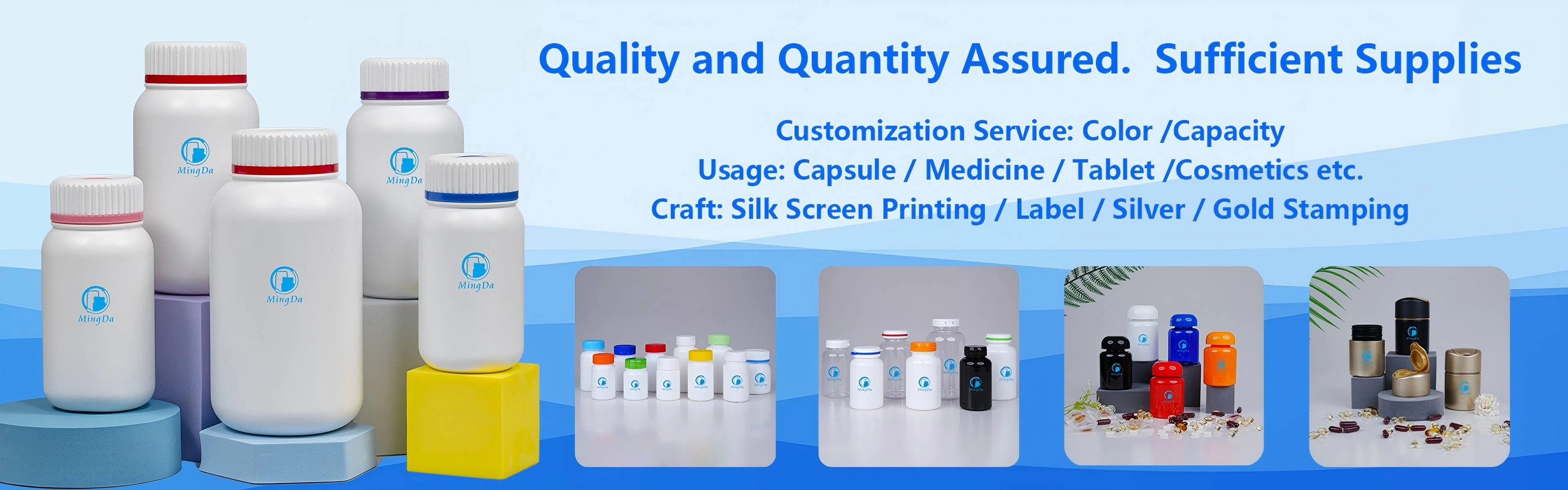
Currently, HDPE and PET remain two of the most widely used materials in the plastic bottle industry. Both materials have their own advantages, and the right choice depends on the specific product requirements.
HDPE bottles are widely used in pharmaceutical and supplement packaging because of their excellent chemical resistance, impact strength, and stable performance. For products that require long-term storage or need reliable protection during transportation, HDPE is often considered a practical packaging solution.
For example, many supplement brands export products to different countries, meaning their packaging may experience long-distance transportation, warehouse storage, and different environmental conditions. In these situations, the bottle needs to provide not only a suitable appearance but also reliable protection throughout the supply chain.
PET bottles provide different advantages. With high transparency and excellent visual appeal, PET packaging is commonly used for food products, gummies, nutritional supplements, and other consumer-oriented applications.
For brands that want customers to directly see the product color, shape, or appearance, clear PET bottles can provide stronger marketing value.
In the future, buyers will not simply choose the material that appears to be the most sustainable. Instead, they will need to balance product protection, cost efficiency, packaging performance, and environmental requirements.
Recyclable Design Will Influence Future Packaging Development
Besides material selection, EPR trends will also influence the way plastic bottles are designed and developed.
In the past, some brands focused heavily on creating unique packaging appearances by using complex structures, multiple materials, or additional decorative components to make their products stand out. While these designs may improve visual appeal, they can sometimes create challenges during recycling because different materials may require additional separation and processing.
As sustainability requirements become more important, future plastic bottle designs are likely to focus more on simplicity, efficiency, and easier recycling processes.
For plastic bottles, this means manufacturers and brands need to consider the entire packaging system instead of only the bottle itself. The relationship between bottle materials, caps, sealing solutions, and other components can influence whether packaging can be efficiently processed after use.
For buyers, this change means that new packaging development should consider future market requirements from the beginning. A successful packaging solution should not only meet current product needs but also have the flexibility to adapt to future sustainability expectations.
The Use of PCR Materials May Increase, but Product Protection Remains Essential
PCR (Post-Consumer Recycled Plastic) has become an important direction in sustainable packaging development.
By using recycled plastic materials, companies can reduce dependence on virgin plastic resources and support a more circular packaging system. In some consumer product industries, the adoption of recycled materials is gradually increasing as brands respond to environmental expectations from customers and markets.
However, the application of recycled materials in plastic bottle packaging requires careful evaluation, especially for products with strict safety requirements.
For pharmaceutical bottles, food packaging, and certain supplement packaging applications, environmental goals cannot replace the importance of product protection. Packaging materials still need to meet requirements related to safety, stability, and compliance.
Therefore, the future of sustainable plastic packaging is not simply about increasing recycled content as much as possible. Instead, it is about finding the right balance between sustainability, packaging performance, and product requirements.
For professional buyers, selecting the most suitable packaging solution is more important than choosing a single material based only on environmental claims.
How EPR Trends Will Affect Plastic Bottle Buyers
As packaging regulations continue to develop, purchasing standards for plastic bottles will also become more comprehensive.
In the past, supplier selection was often based mainly on factors such as pricing, production capability, and delivery performance. These factors will remain important, but buyers will increasingly evaluate suppliers based on additional capabilities, including material transparency, quality management systems, and long-term technical support.
For international brands, this change is especially important because packaging requirements may vary between different countries and regions. A supplier with industry experience can help buyers better understand material options and reduce the risks associated with future packaging adjustments.
A professional plastic bottle manufacturer should not only focus on producing containers. The supplier should also act as a packaging partner that helps customers select suitable materials, optimize designs, and develop solutions that match their product requirements.
How Different Industries Can Adapt Plastic Bottle Packaging to EPR Trends
Pharmaceutical and Supplement Packaging
For pharmaceutical and supplement products, packaging performance remains the first priority.
These products usually require strong protection, reliable sealing performance, and long-term stability during storage and transportation. Therefore, environmental considerations need to be balanced with strict product protection requirements.
HDPE bottles continue to play an important role in this market because of their durability, chemical resistance, and stable performance.
For products such as vitamins, capsules, and tablets, buyers need to evaluate the complete packaging system, including the bottle material, closure design, and sealing method. A sustainable packaging solution is only valuable when it can also protect product quality throughout the supply chain.
Food and Nutritional Product Packaging
For food products, gummies, and nutritional supplements, consumer experience is also an important factor.
Many brands choose transparent PET bottles because they allow customers to see the product directly. This visual advantage can help brands create stronger shelf appeal and improve consumer confidence.
At the same time, these brands also need to consider whether packaging choices align with future sustainability expectations. The challenge is finding a solution that combines attractive presentation with responsible packaging development.
Personal Care and Consumer Product Packaging
For cosmetics and personal care brands, packaging often represents part of the brand identity.
Consumers increasingly pay attention to environmental responsibility, which means brands need to consider both visual design and sustainability.
Future packaging solutions will need to provide an attractive appearance while also supporting more efficient recycling and responsible material use.
What Should Buyers Prepare Before 2026?
Facing the development of EPR regulations, buyers should begin reviewing their current plastic bottle packaging strategies.
Existing packaging solutions may need to be evaluated based on material selection, packaging structure, and their ability to adapt to future market requirements.
Early communication with suppliers is also becoming increasingly important. Discussing material options, packaging improvements, and long-term supply capabilities before regulations become stricter can help brands reduce transition costs and avoid unnecessary adjustments.
However, sustainable packaging does not mean sacrificing product performance.
For pharmaceutical, supplement, and food applications, the ideal packaging solution should always balance three important factors: environmental responsibility, cost efficiency, and product protection.
Conclusion: EPR Will Change the Way Plastic Bottles Are Purchased
EPR regulations are driving the plastic packaging industry toward more responsible and sustainable development.
In the future, plastic bottle purchasing decisions will no longer depend only on price and production capacity. Buyers will pay more attention to material selection, packaging design, recyclability, and the overall support capabilities of suppliers.
For global brands and importers, understanding EPR trends in advance and working with experienced plastic bottle manufacturers can help reduce future market risks and build more sustainable packaging systems.
The future competition in the plastic bottle industry will not only be about manufacturing capability. It will also depend on environmental awareness, technical expertise, and the ability to provide reliable long-term packaging solutions.