

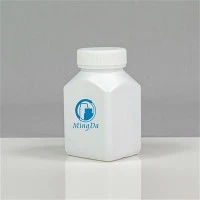
"BPA Free" has become one of the most common safety labels in the plastic packaging industry, but few consumers or buyers actually understand what it means. In reality, not every bottle labeled "BPA Free" can stand up to testing. As a professional manufacturer deeply involved in the plastic packaging industry, we'd like to share, from a factory and testing perspective, how to determine whether a plastic bottle is truly free from bisphenol A.
1. What Is BPA and Why Should It Be Avoided?
Bisphenol A (BPA) is a chemical compound commonly used in polycarbonate (PC) plastics and epoxy resins. It helps make plastic tough and transparent, but it also poses potential health risks. Studies have shown that long-term exposure to BPA may disrupt the human endocrine system and affect hormonal balance. Because of this, BPA has been widely restricted or banned in food-grade packaging.
From a manufacturer's standpoint, a truly food-safe plastic bottle should not contain BPA-based materials such as PC or epoxy resin. Instead, safe alternatives like HDPE (High-Density Polyethylene), PET (Polyethylene Terephthalate), and PP (Polypropylene) should be used.
These are well-recognized food-grade plastics - chemically stable, non-toxic, odorless, and compliant with FDA and ISO standards.


2. Practical Ways to Check If a Plastic Bottle Contains BPA
① Check the Recycling Code at the Bottom
Most bottles have a recycling symbol with a number at the bottom:
#1 (PET): Commonly used for beverage and vitamin bottles - BPA-free.
#2 (HDPE): Used for pharmaceutical and food packaging - BPA-free.
#5 (PP): Heat-resistant and microwave-safe - BPA-free.
#7 (Other): Be careful - many PC plastics fall under this category and often contain BPA.
If the marking is unclear or missing, it's best to request a material certificate from the supplier or factory.
② Observe the Texture and Transparency
In general:
HDPE bottles have a slightly matte, opaque finish.
PET bottles are clear, rigid, and lightweight.
If the bottle is extremely transparent, glassy, and has a faint bluish tint, it may be made of PC - a strong indicator of BPA content. Always verify before purchase.
③ Ask for Material or Testing Reports
Reputable plastic bottle manufacturers should be able to provide a Material Safety Data Sheet or FDA/SGS test reports.
For example, our factory conducts Infrared Spectroscopy Tests on raw materials to confirm that no BPA molecules are present in their composition.
Formal laboratory testing is the most reliable way to verify a product's BPA-free status.
④ Smell and Heat Test (Quick Check)
While not a scientific test, experienced buyers often notice differences through small details.
If a new bottle emits a strong chemical odor when heated or exposed to sunlight, it's likely made with low-grade or unstable materials.
By contrast, true food-grade HDPE and PET bottles will remain odorless even under heat.
3. What "BPA-Free" Really Means from a Manufacturer's Perspective
For certified plastic bottle manufacturers, "BPA Free" is not just a label - it's a complete production system.
A reliable factory ensures product safety through every stage:
Raw Material Selection: Only certified, food-grade materials from trusted suppliers.
Production Control: Separate HDPE and PET lines to prevent raw material contamination.
Quality Testing: Each batch undergoes infrared spectroscopy and heat resistance tests.
Certification: Compliance with ISO9001, ISO22000, and FDA standards for quality and food safety.
Genuine, professional manufacturers don't rely on marketing slogans - they back their claims with verifiable data and testing documentation.


4. Final Thoughts
To determine if a plastic bottle is truly BPA-free, focus on the source of the material and the evidence behind it.
For brand owners, distributors, or wholesalers, partnering with a qualified, testing-capable plastic bottle manufacturer is the most effective way to ensure safety and build long-term brand credibility.
From raw material selection to laboratory validation, every step matters - and that's what truly defines "BPA Free."