

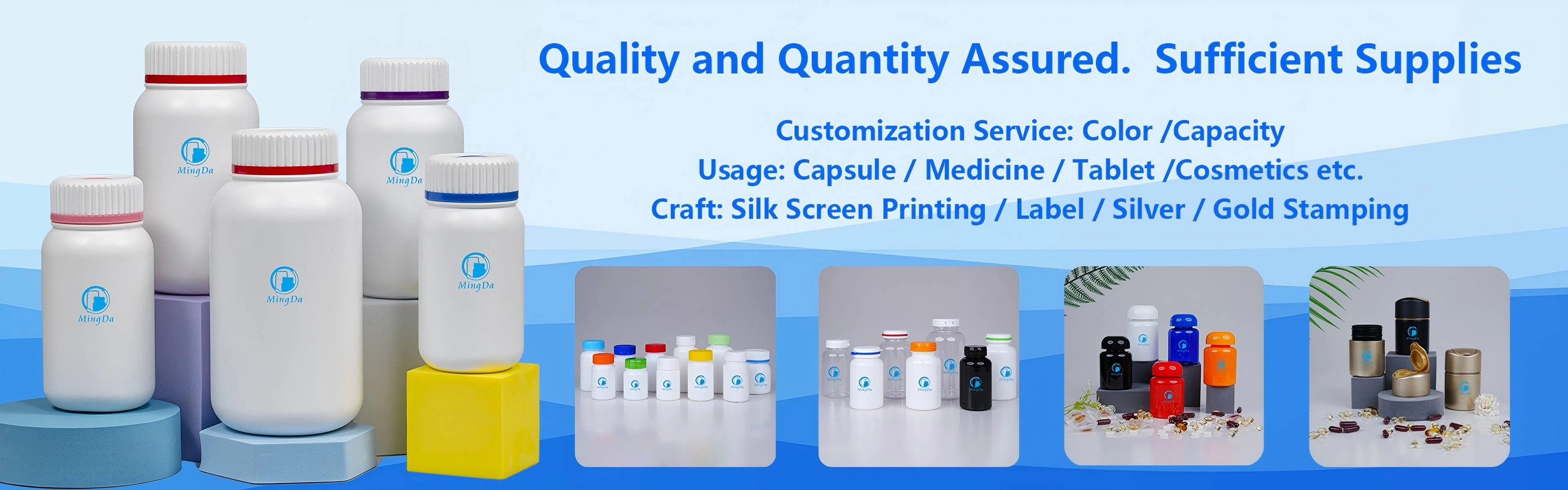

For brands seeking a reliable packaging supplier, requesting samples and test reports before placing a bulk order is a critical step. Whether your products are in the supplement, pharmaceutical, food, or cosmetic industry, understanding the actual quality, feel, and performance data of the packaging ensures smoother cooperation.
Why You Should Request Samples First
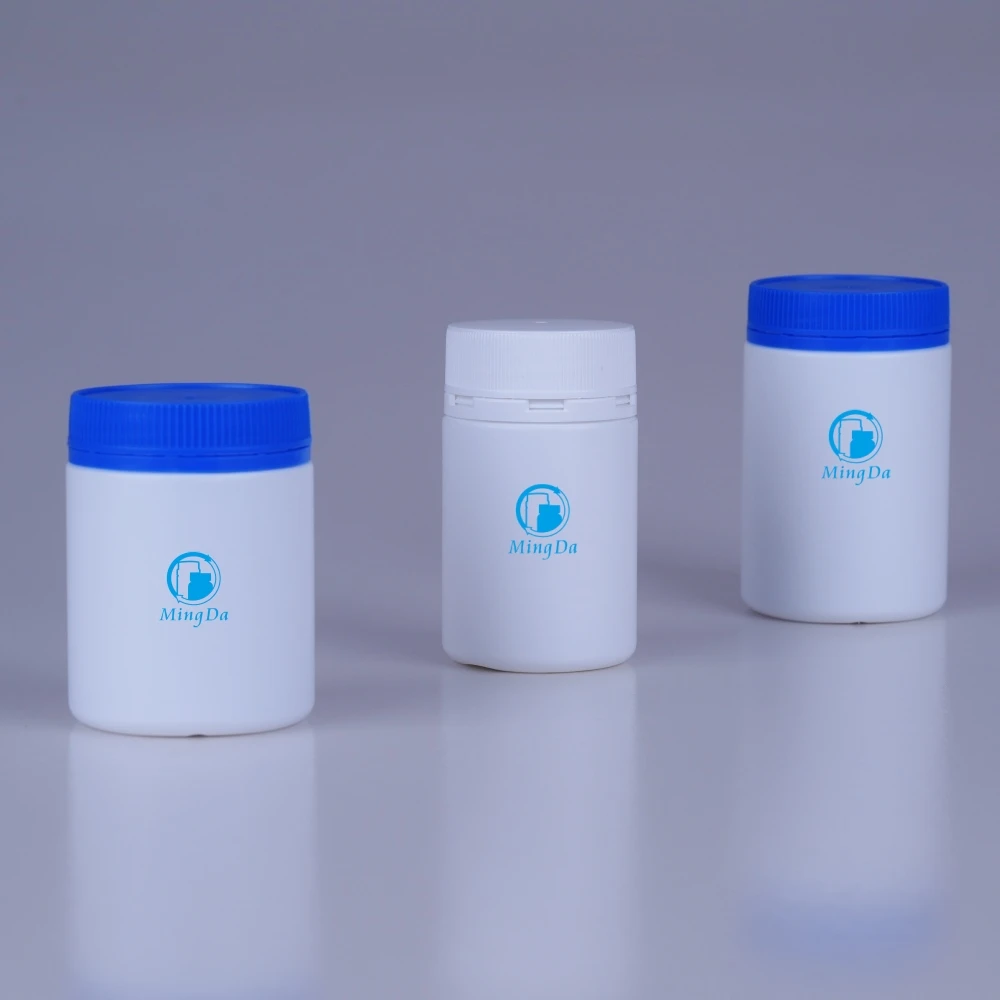
In cross-border packaging procurement, relying solely on photos and specifications often leads to uncertainty. HDPE bottles (High-Density Polyethylene bottles) may look similar in pictures, but differences in wall thickness, gloss, sealing precision, and overall strength can be significant among different factories.
By reviewing samples, you can physically check the flexibility, deformation resistance, accuracy of the bottle neck, and overall stability of the base. For brands with customization needs, samples are also crucial for confirming color, size, and printing effects before mass production.
How to Request HDPE Bottle Samples
Professional HDPE bottle manufacturers and factories usually support sample delivery services. Here's how the process typically works:
Confirm Your Specifications: Provide details such as bottle capacity (e.g., 150ml, 200ml, 300ml), neck diameter (e.g., 33mm, 38mm), and color (e.g., white, amber).
Discuss Closures and Seals: If you need a complete packaging solution, specify the cap type (child-resistant, tamper-evident, or standard screw cap) and whether you need pressure-sensitive or aluminum foil liners.
Provide Shipping Information: Include your company name, address, contact person, and courier account (if you prefer freight collect).
Sample Preparation Time: The typical lead time for samples is around 3–5 working days.
Established manufacturers such as Hubei Mingda Plastics Products Co., Ltd. maintain an organized stock program for urgent orders and can dispatch standard HDPE bottle samples quickly.

What Does a Test Report Verify?
A legitimate test report is not just paperwork-it proves a factory's production standards and quality consistency. Common testing items include:
Sealing Test: Ensures tightness between the cap and neck.
Drop Test: Simulates transport vibration and impact resistance.
Infrared Spectroscopy Test: Confirms that the raw material meets food-contact safety standards with no harmful substance migration.
Temperature Resistance Test: Evaluates bottle performance under high and low temperatures.
Microbiological Test: Ensures a hygienic production environment.
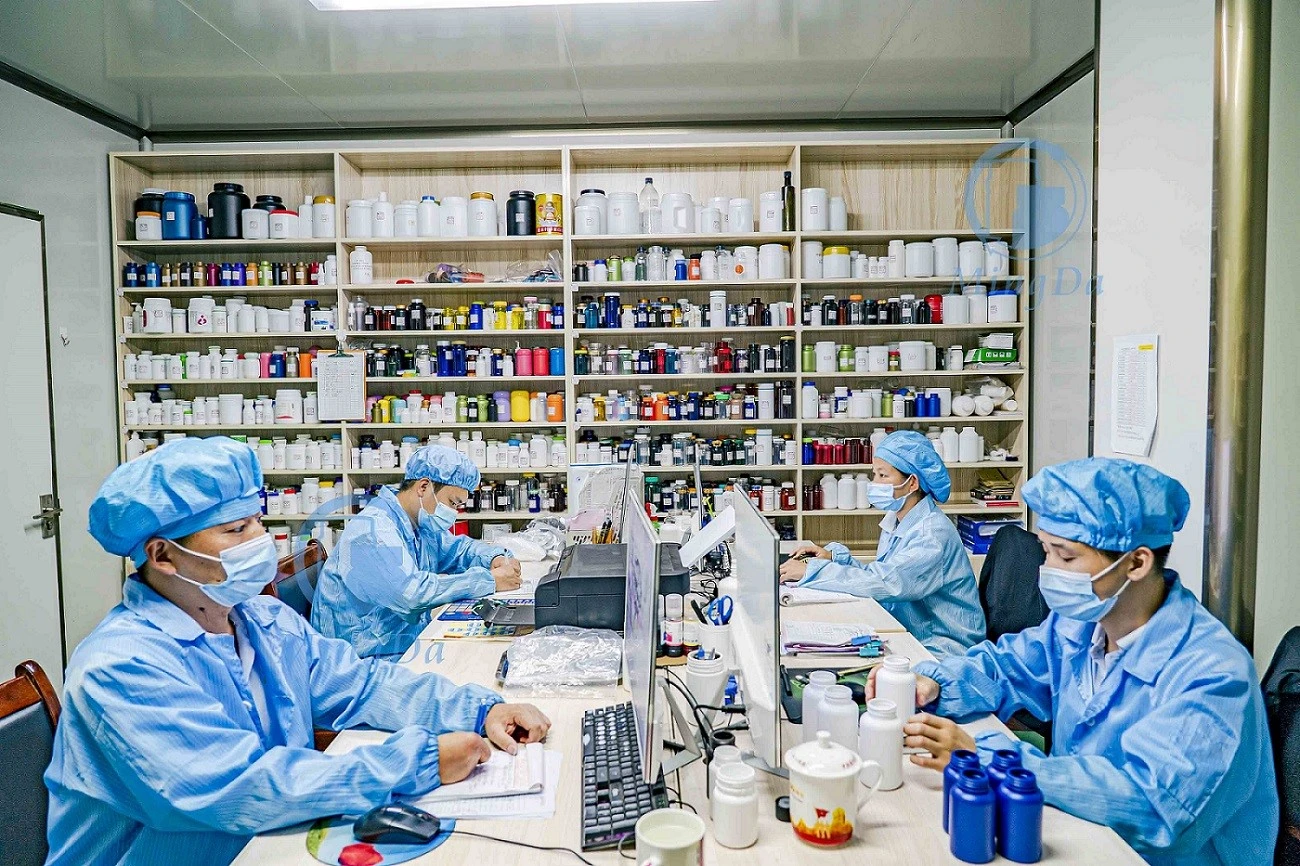
Manufacturers with in-house testing laboratories often conduct routine batch tests and can provide SGS, ISO, or FDA certification reports upon request.

How to Identify a Reliable Manufacturer
When requesting samples, do more than just check the product's appearance-verify the supplier's qualifications and production systems:
Certified under ISO9001 Quality Management System
Equipped with a 100,000-grade cleanroom
Operates an independent testing laboratory
Experienced in export documentation and English test reports
These details are key to ensuring long-term production stability and risk-free cooperation.
Conclusion
Requesting HDPE bottle samples and test reports is not a formality-it's a fundamental part of responsible sourcing. Samples allow you to directly evaluate a manufacturer's craftsmanship and product consistency, while test reports provide documented proof of safety and reliability.
Working with a qualified factory that offers transparent quality documentation and real sample support will significantly reduce procurement risks.