

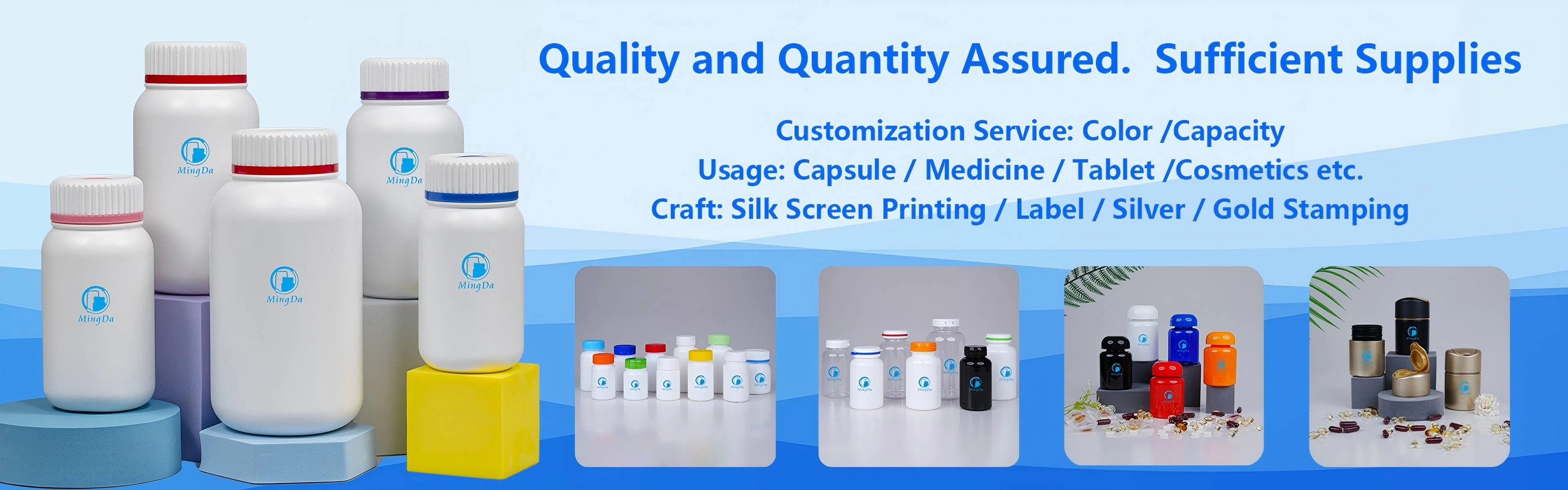

In the supplement packaging industry, HDPE and PET each have unique advantages.
Choosing the right one depends largely on the product type (tablets, capsules, gummies, or powders), storage requirements, and brand positioning.
HDPE Bottles: High Strength and Reliable Protection
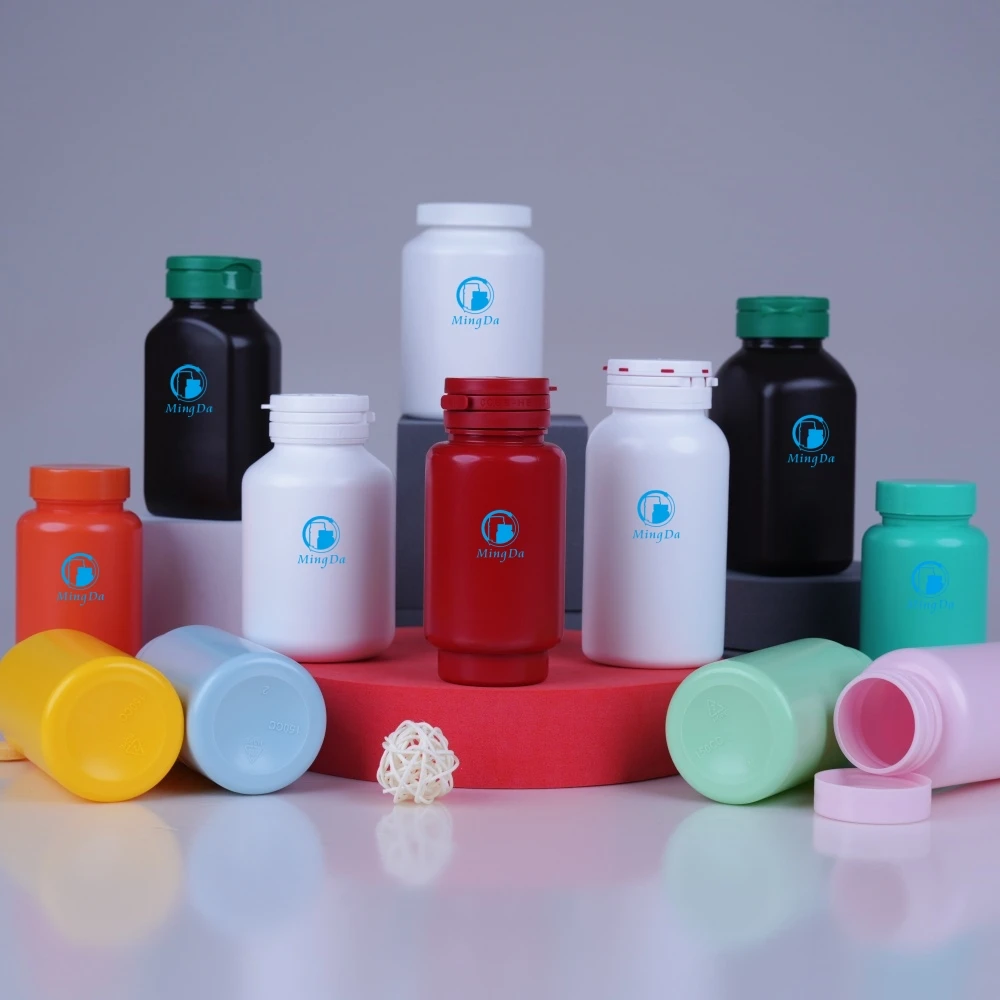
HDPE bottles are known for their excellent impact resistance and sealing performance.
The material is rigid and stable, effectively blocking oxygen and moisture to prevent contents from spoiling or absorbing humidity.
Because HDPE is naturally opaque, it offers strong light protection - making it ideal for storing light-sensitive vitamins, herbal capsules, and pharmaceutical tablets.
Many professional pill bottle manufacturers or plastic packaging factories recommend HDPE for long-term storage or export packaging.
In addition, HDPE bottles can be matched with a wide range of closures - such as child-resistant caps, tamper-evident lids, or pressure-sensitive liners - to enhance safety and seal integrity.
PET Bottles: Clear, Lightweight, and Visually Appealing
Compared to HDPE, PET bottles stand out for their high transparency, smooth surface, and light weight.
For brands that want to showcase the product inside - such as gummies, chewable tablets, or colorful capsules - PET bottles provide excellent shelf visibility.
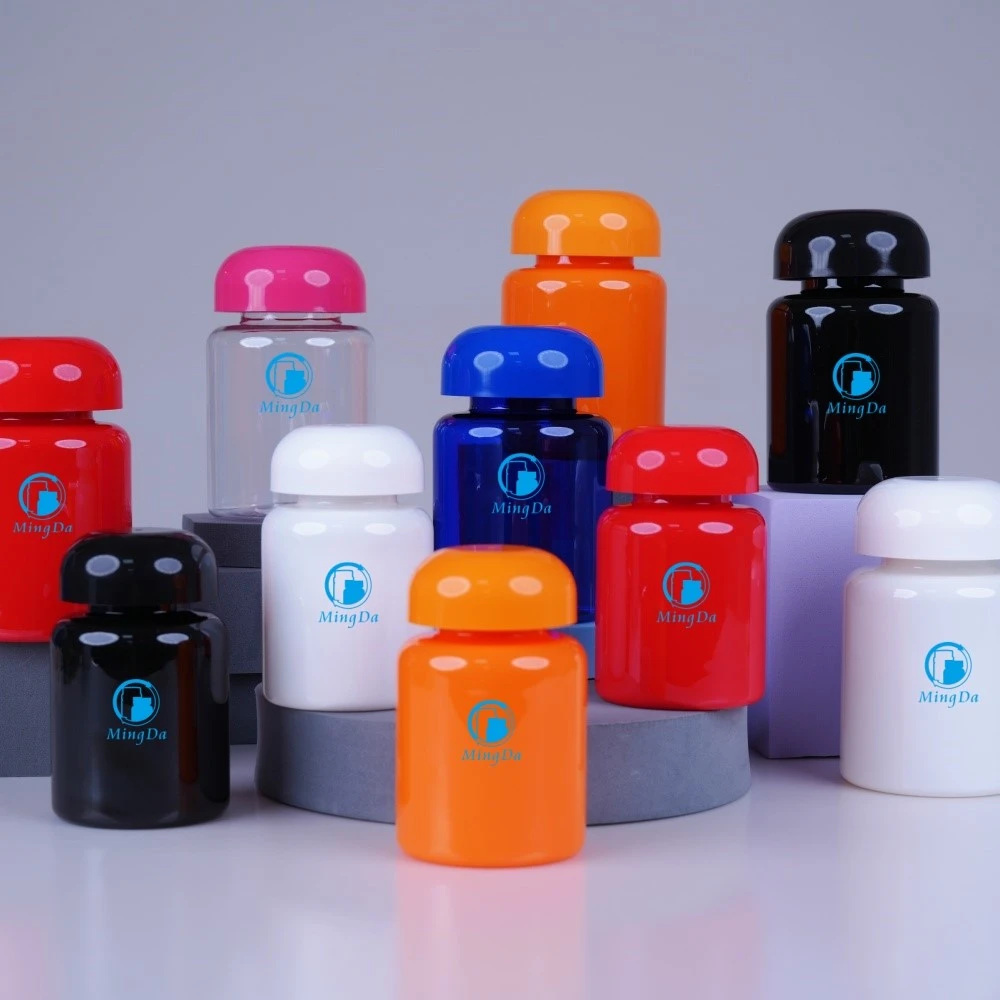
Because PET is lighter than HDPE, it can help reduce international shipping costs, especially when exporting directly from the manufacturing factory to overseas markets.
PET is also highly recyclable, aligning with the growing demand for sustainable and eco-friendly supplement packaging.
Performance Comparison
Moisture Barrier: HDPE offers better moisture resistance.
Transparency: PET has much higher clarity.
Temperature Resistance: HDPE performs better under high and low temperatures.
Environmental Impact: Both are recyclable, but PET benefits from a more established global recycling system.
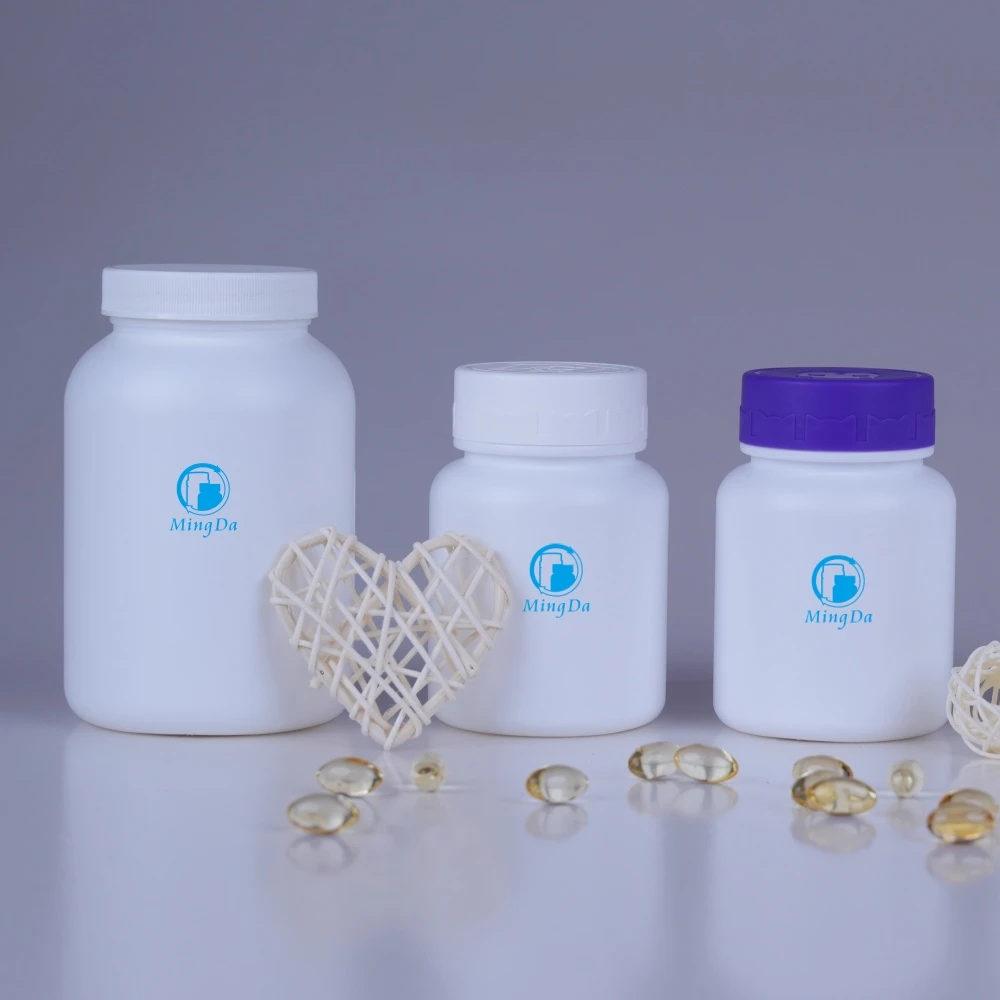

In short, HDPE is better suited for capsules or tablets that require long-term storage, while PET is ideal for fast-selling products where visibility and shelf appeal matter more.
Why Working with a Professional Manufacturer Matters
Choosing the right material is only the first step - partnering with a reliable bottle manufacturer is even more important.
Experienced manufacturers can recommend the best bottle shape, material, and closure system based on product characteristics, design preferences, and regulatory requirements.
Today, many professional bottle factories in China - particularly in Hubei and Guangdong - operate under ISO and FDA certifications.
They maintain cleanroom facilities and multiple automated production lines to ensure safety, traceability, and compliance with international export standards.
Cost and Procurement Considerations
From a cost perspective, both HDPE and PET are affordable for large-scale production.
HDPE generally has a price advantage for opaque bottles, while PET tends to cost slightly more due to its clarity and molding process.
If a brand plans to make wholesale pill bottle purchases, it's wise to discuss mold fees, cap compatibility, and minimum order quantities (MOQ) with the manufacturer in advance to plan inventory and budget effectively.
Conclusion
So, which is better - HDPE or PET?
That depends on your product formula, packaging goals, and supply chain needs.
HDPE excels in durability and protection, while PET offers superior visibility and presentation.
For supplement brands looking to scale up, partnering with an experienced pill bottle manufacturer or plastic packaging factory helps achieve the right balance between quality, cost, and supply stability.