



How to Choose the Right Plastic Bottles Manufacturers for Global Brands
Plastic bottles may look simple, but choosing the right manufacturer is anything but easy. In industries like food, pharmaceuticals, nutraceuticals, personal care, and chemicals, plastic bottles play a critical role in product safety, shelf life, and brand consistency.
From what I have seen over the years, many buyers focus too much on price during the early stages. That approach often leads to problems later. When brands grow, packaging issues grow with them. This is why selecting the right plastic bottles manufacturers matters far more than finding the lowest quote.
This article shares practical insights to help buyers evaluate manufacturers more clearly and make better long-term decisions.


What Global Brands Really Look for in Plastic Bottles Manufacturers
Global brands tend to value stability over short-term savings.
The first thing they care about is consistent quality at scale. Plastic bottles are not one-off products. They are used daily, in large volumes. If bottle weight, wall thickness, or dimensions vary from batch to batch, filling lines slow down, seals fail, and complaints increase. Reliable manufacturers control these variables tightly, even when production volumes increase.
Compliance is another major factor. Different markets have different rules for food-contact materials, safety documentation, and testing requirements. Experienced manufacturers understand these differences and prepare accordingly. In many failed sourcing cases I've reviewed, buyers discovered compliance issues only after products were ready for export.
Material performance also matters more than many expect. HDPE, PET, and PP each serve different purposes. A manufacturer who understands real-world applications can explain why one material works better than another, instead of saying "everything is possible."
What Sets Global-Level Manufacturers Apart from Local Suppliers
Not every factory that produces plastic bottles can truly serve global brands.
Strong manufacturers usually have structured quality management systems, not just certificates on a wall. They can explain when inspections happen, how defects are handled, and how quality data is tracked over time.
Testing capability is another clear divider. Leak tests, drop tests, torque tests, dimensional checks, and material verification should be routine, not optional. These tests protect products during transportation, storage, and daily use.
Technical support also plays a key role. Bottle shape, neck finish, caps, and liners all interact. Experienced manufacturers identify potential issues early and suggest adjustments before mass production begins.
Common Plastic Bottle Types Used by Global Brands
In most international markets, product needs fall into a few clear categories.

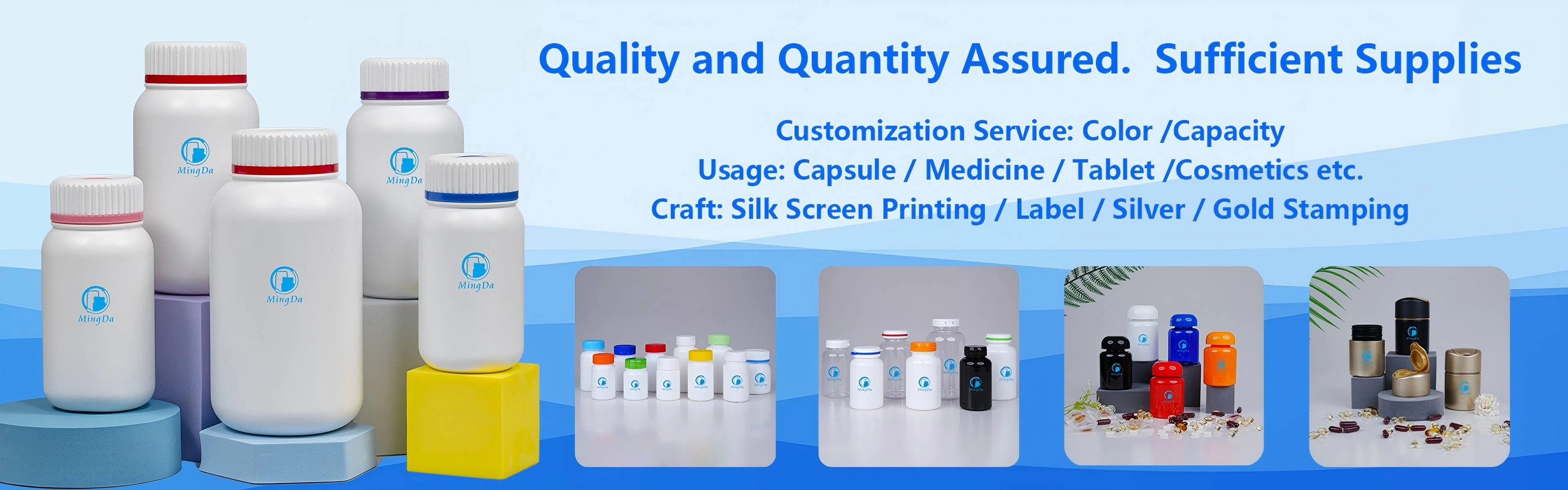
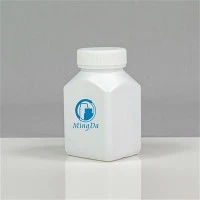
HDPE bottles are widely used for food, pharmaceutical, and supplement products, especially powders, tablets, capsules, and certain liquids. Buyers usually prioritize strength, sealing performance, and long-term stability.
PET bottles appear more often in beverages and nutraceutical products where clarity and appearance matter. Transparency, color consistency, and precise molding become key decision points.

Plastic jars are common for protein powders, bulk foods, and industrial products. These containers require good load-bearing strength, stable stacking, and reliable opening performance.
In my experience, strong plastic bottles manufacturers think beyond the bottle itself and help buyers select the right caps, liners, and sealing solutions as a complete system.
How Buyers Can Evaluate Plastic Bottles Manufacturers in Practice
For buyers comparing suppliers, theory matters less than execution.
Factory transparency provides a strong starting point. Manufacturers who offer video tours, explain production capacity clearly, and show real production lines usually operate with fewer surprises.
The sampling stage reveals a lot. Sample accuracy, feedback speed, and problem-solving attitude often reflect how the manufacturer will behave during mass production.
Communication style matters more than many realize. When technical questions arise, experienced manufacturers respond with practical suggestions instead of vague assurances.


Common Mistakes Buyers Make When Choosing Manufacturers
One common mistake is comparing unit prices without considering total cost. Delays, rework, and inconsistent quality all carry hidden expenses.
Another issue involves ignoring regulatory requirements. Packaging that fails compliance checks can stop shipments entirely.
Some buyers also underestimate future growth. A manufacturer that works today may struggle to support higher volumes or additional product lines later.
Why Global Brands Prefer Long-Term Manufacturing Partners
From what I've observed, established brands rarely switch manufacturers without good reason.
Long-term partners reduce supply chain risks, simplify communication, and maintain consistent product quality. Over time, manufacturers also gain a deeper understanding of product requirements, which leads to better packaging solutions.
Plastic bottles may seem standardized, but small details make a big difference over time.
Final Thoughts
Choosing the right plastic bottle manufacturer goes beyond size and price. Stability, compliance awareness, material knowledge, and practical experience all shape long-term success.
For buyers evaluating suppliers, it helps to view plastic bottles as a core part of the supply chain rather than a simple consumable. That mindset often leads to smarter decisions and fewer problems down the road.