

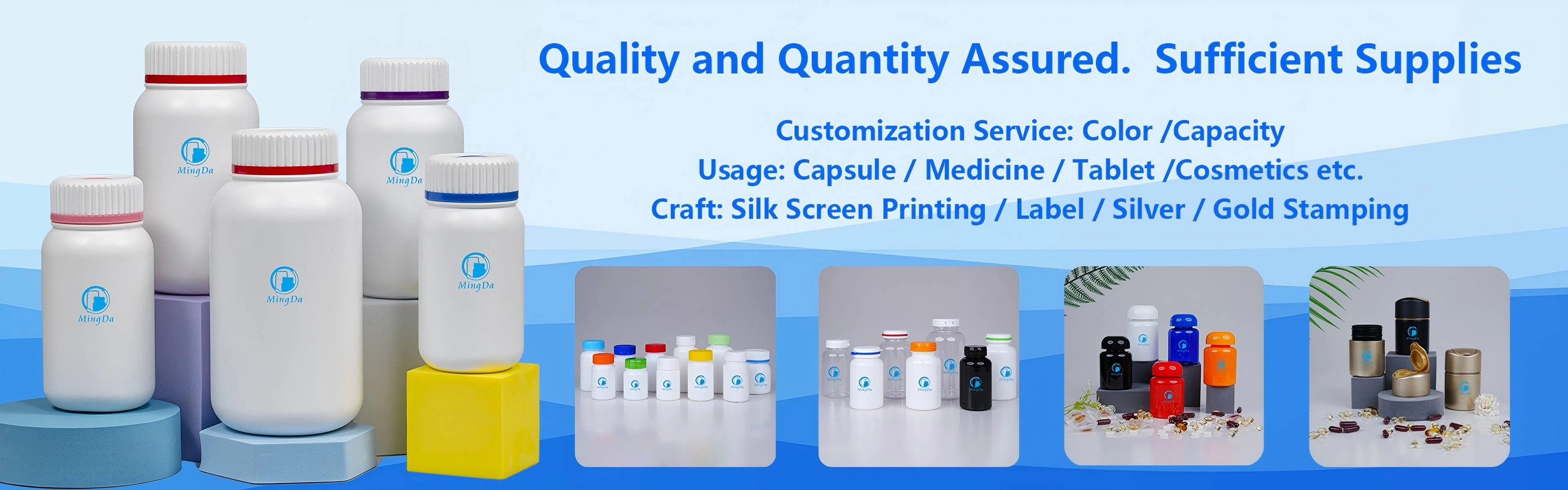


Sourcing plastic bottles online looks easy on the surface. The listings are endless, prices vary wildly, and everything seems just one click away. But once I start comparing options, I often notice inconsistencies: the photos look great, yet the real product can differ in thickness, sealing performance, or material quality. That's why I rely on a checklist built from real experience-so buyers can avoid unnecessary headaches and make smarter decisions.
Below are the key lessons that consistently help me secure better products with fewer surprises.
1. Price Should Never Be the Only Deciding Factor
I used to jump at the cheapest listings. It didn't take long to realize that low prices usually bring hidden issues-thin walls, recycled material, inaccurate weights, or no material certification at all.
I now always ask suppliers for:
- The exact material used (HDPE, PET, PP)
- The bottle's actual weight
- Any available test reports
Suppliers who respond clearly and quickly usually take quality more seriously.


2. Bottle Specs and Tolerances Matter More Than You Think
Online sourcing often comes with unexpected surprises: capacity that doesn't match the listing, wall thickness differences, or neck sizes that don't work with my caps. I've ordered a "250ml" bottle that barely held 230ml, and I've also received neck finishes that didn't match the caps I already had.
To avoid situations like these, I always request:
- A full technical drawing
- Tolerance details (capacity, height, diameter)
- Confirmation of the neck finish standard (38/400, 45/400, etc.)
The clearer the numbers, the smoother the project runs.
3. Don't Overlook Cap Compatibility
Many buyers focus only on the bottle design and forget the cap. I learned this lesson the hard way when a batch of bottles looked good but had caps with weak torque. They loosened during transit, causing leakage.
Now I always confirm:
- The cap style (regular screw cap, CRC, flip-top, etc.)
- Whether the supplier completed sealing and torque tests
- Drop-test results for the bottle-cap set
A reliable supplier always provides a complete set of test data.


4. Samples and Test Reports Are Non-negotiable
I rarely proceed without samples. The feel, rigidity, transparency, and overall craftsmanship can't be judged from photos alone.
I usually request:
- Sealing test results
- Drop test data
- Torque test results
- Infrared spectroscopy material test
- Microbiological reports (when relevant)
A professional factory always has these on hand.


5. Discuss Custom Requirements Early
Custom colors, logos, finishes, or special bottle shapes all require planning. If I don't bring everything up front, delays are almost guaranteed.
I make sure to specify:
- Pantone colors
- Whether printing or hot stamping is needed
- Any changes to the neck, shoulder, or body design
Clear communication at the beginning prevents unnecessary back-and-forth later.


6. Check Factory Capabilities and Certifications
Product photos don't tell the full story. Factory strength determines quality consistency, delivery reliability, and whether a supplier can handle scale.
I always pay attention to:
- Certifications like FDA, ISO9001, ISO22000
- Number of production lines and daily capacity
- Whether they have an in-house lab
- Transparency-photos or videos from the showroom or workshop
The more open a factory is, the more confidence I have in their production.


7. Don't Underestimate Packaging and Shipping Costs
Plastic bottles are lightweight but take up a lot of space, which means high volumetric shipping costs. I've underestimated freight charges more than once, so now I always ask for:
- Quantity per carton
- Carton size (for accurate volume calculations)
- Whether palletizing is available
- Options for space-saving packing
A few numbers can completely change your shipping budget.


8. Always Clarify Lead Times and Reorder Cycles
Production cycles can vary, especially during peak season. I once ran out of stock simply because I didn't plan ahead.
Now I confirm:
- Standard lead time
- Whether peak-season delays affect production
- Reorder MOQ and production speed
- Any available stock capacity
A predictable timeline helps maintain stable inventory.
Conclusion: A Smarter Approach Saves Time, Money, and Stress
Sourcing plastic bottles isn't just a simple purchase. Material quality, sealing performance, compatibility, certifications, and logistics all shape the final outcome. With the right questions and a clear understanding of what to look for, it becomes much easier to avoid problems before they happen.
Transparent suppliers are easier to work with, and clear requirements lead to better results. I hope this guide helps you source plastic bottles with more confidence and far fewer surprises.